Introduction
The Libo Tube-nosed Bat (Murina liboensis) is a fascinating and relatively elusive species of bat, belonging to the family Vespertilionidae. First described in 2009, this species adds to the rich diversity of bats found in Southeast Asia, particularly in China. The Libo Tube-nosed Bat is named after its distinctive tubular nostrils and the region of Libo in Guizhou Province, China, where it was first discovered. This article delves into the various aspects of the Libo Tube-nosed Bat, from its physical characteristics and habitat to its behavior and conservation status.
Physical Description
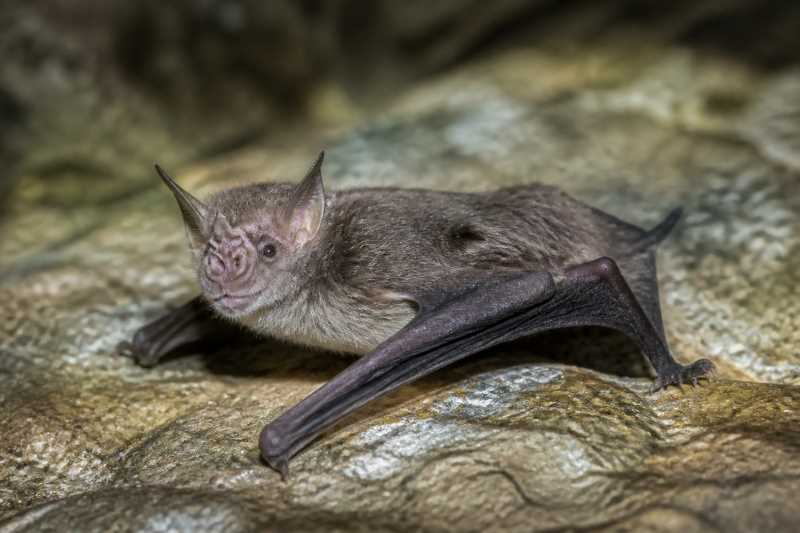
The Libo Tube-nosed Bat is a small bat species, characterized by its unique physical features that distinguish it from other bats. The most notable feature is its tube-shaped nostrils, which protrude from the face, giving the bat its common name. This adaptation is thought to play a role in its echolocation abilities, aiding in the detection of prey and navigation in dense forest environments.
The bat has a relatively small body size, with a forearm length ranging from 29 to 33 millimeters and a body weight of approximately 4 to 8 grams. Its fur is soft and dense, providing insulation and camouflage within its forest habitat. The dorsum of the bat is typically brown or gray, while the ventral side is lighter, often with a yellowish tinge. The wing membranes are dark, contrasting with the lighter body fur.
Range and Habitat
The Libo Tube-nosed Bat is endemic to China, with its range primarily confined to the subtropical and temperate forests of Guizhou Province. The region is characterized by its karst landscapes, which provide a variety of roosting sites such as caves, rock crevices, and hollow trees. These bats are also found in bamboo forests and areas with dense undergrowth, which offer ample feeding opportunities and protection from predators.
The specific habitat preferences of the Libo Tube-nosed Bat are still being studied, but it is believed that they require a combination of roosting sites and rich foraging grounds to thrive. The preservation of these habitats is crucial for the survival of the species, as habitat destruction poses a significant threat.
Behavior and Diet
The Libo Tube-nosed Bat is primarily nocturnal, emerging at dusk to forage for food. Its diet consists mainly of insects, which it catches in flight using echolocation. The bat’s tube-shaped nostrils are thought to enhance its ability to emit and receive the high-frequency sounds used in echolocation, allowing it to effectively hunt in the dense forest environment.
Social behavior in the Libo Tube-nosed Bat is not well-documented, but like many other bat species, it is likely to roost in small groups. These groups may consist of family units or unrelated individuals, depending on the availability of roosting sites and the season. The bats communicate using a variety of vocalizations, which may play a role in maintaining group cohesion and coordinating foraging activities.
Identification Tips (Field Recognition Cues)
Identifying the Libo Tube-nosed Bat in the field requires careful observation of its distinctive features. Here are some tips for recognizing this species:
- Nostril Shape: Look for the characteristic tube-shaped nostrils that protrude from the bat’s face.
- Fur Color: Note the brown or gray dorsal fur and lighter ventral fur with a possible yellowish tinge.
- Size: Small body size with forearm length between 29 to 33 mm.
- Flight Pattern: Observe their agile flight patterns and behavior of hunting close to vegetation.
Conservation Status (With Threats and Protections)
The conservation status of the Libo Tube-nosed Bat is currently listed as Data Deficient by the International Union for Conservation of Nature (IUCN). This classification indicates that there is insufficient data to make a precise assessment of its conservation status. However, like many bat species, the Libo Tube-nosed Bat faces several threats that could impact its population.
Threats
- Habitat Loss: Deforestation and land-use changes in Guizhou Province pose significant threats to the habitat of the Libo Tube-nosed Bat. The destruction of forest areas reduces available roosting and foraging sites.
- Pollution: Pesticides and other pollutants can affect the bat’s food supply and overall health.
- Disturbance: Human activities, such as tourism in caves and forest areas, can disturb roosting sites.
Protections
Efforts to protect the Libo Tube-nosed Bat include the establishment of protected areas within its range. Conservationists advocate for habitat preservation and the implementation of sustainable land-use practices. More research is needed to better understand the species’ ecological requirements and to develop effective conservation strategies.
Frequently Asked Questions
What is the typical habitat of the Libo Tube-nosed Bat?
The Libo Tube-nosed Bat is typically found in subtropical and temperate forests of Guizhou Province, China, preferring areas with caves, rock crevices, and dense vegetation.
How does the Libo Tube-nosed Bat hunt for food?
The bat uses echolocation, aided by its tube-shaped nostrils, to detect and capture insects in flight, often foraging close to vegetation.
What are the main threats to the Libo Tube-nosed Bat?
Main threats include habitat loss due to deforestation, pollution affecting its food supply, and disturbance from human activities.
How can the Libo Tube-nosed Bat be identified in the field?
Identifiable by its tube-shaped nostrils, small body size, brown or gray dorsal fur, and lighter ventral fur. Observing their flight patterns can also aid identification.
Is the Libo Tube-nosed Bat endangered?
The Libo Tube-nosed Bat is listed as Data Deficient by the IUCN, indicating that more research is needed to determine its conservation status and population trends.
Related posts