Introduction
Hilgendorf’s Tube-nosed Bat, scientifically known as Murina hilgendorfi, is a fascinating mammal that belongs to the family Vespertilionidae. These bats are known for their unique tube-shaped nostrils and play a vital ecological role as insect predators. Named after Franz Martin Hilgendorf, a German zoologist, this species is an interesting subject of study for both researchers and bat enthusiasts. In this article, we will delve into the various aspects of Hilgendorf’s Tube-nosed Bat, including its physical characteristics, habitat, behavior, and conservation status.
Physical Description
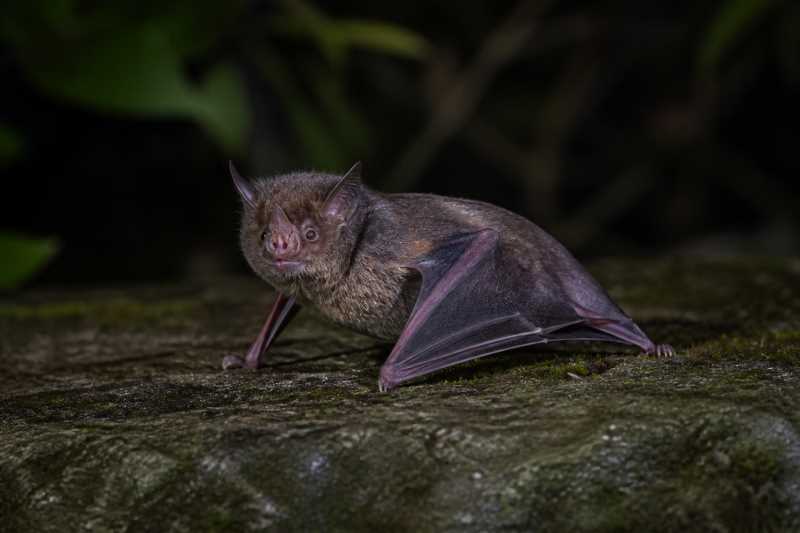
Hilgendorf’s Tube-nosed Bat is a small bat species distinguished by its tube-shaped nostrils, which are believed to aid in precise echolocation. These bats typically have a forearm length ranging from 30 to 36 mm. The pelage of Murina hilgendorfi is soft and dense, exhibiting a coloration that varies from grayish to brown, providing effective camouflage against tree bark and foliage.
The wings of the bat are long and narrow, enabling agile flight through dense forest canopies. The ears are moderately large and rounded, with a tragus that is slightly pointed. One of the distinguishing features of this species is its dental structure, adapted to its insectivorous diet.
Range and Habitat
Murina hilgendorfi is primarily found in the forests of East Asia. Its range extends across several countries, including Japan, Korea, and parts of eastern China. These bats prefer temperate forest environments and are often associated with deciduous or mixed forests, where they find ample roosting sites and food resources.
Roosting sites are typically located in tree hollows, under loose bark, or within dense foliage. The preference for these habitats is likely due to the need for protection against predators and environmental elements, as well as the proximity to foraging areas rich in insect prey.
Behavior and Diet
Hilgendorf’s Tube-nosed Bat exhibits nocturnal behavior, emerging at dusk to forage for food. It primarily feeds on a variety of insects, including moths, beetles, and flies. The bat’s echolocation abilities are finely tuned to detect these prey items in complete darkness.
Social behavior in Murina hilgendorfi is not extensively documented, but it is believed that these bats may form small colonies or roost alone depending on environmental conditions. During colder months, they enter a state of torpor to conserve energy when food resources are scarce.
Identification Tips (Field Recognition Cues)
Identifying Murina hilgendorfi in the field can be challenging due to its small size and elusive nature. However, there are several key features to look for:
- Nostrils: The distinctive tube-shaped nostrils are a definitive characteristic.
- Fur Color: Look for the grayish to brown coloration that blends into its forest habitat.
- Ear Shape: The rounded ears with a slightly pointed tragus can be a helpful identifier.
- Flight Pattern: Observe the agile and maneuverable flight, typical of this species when hunting.
Conservation Status (With Threats and Protections)
The conservation status of Hilgendorf’s Tube-nosed Bat is not well-documented, but like many bat species, it faces threats from habitat destruction, climate change, and human disturbances. Deforestation and the conversion of land for agriculture and urban development pose significant risks to their natural habitat.
Protective measures are essential to ensure the survival of this species. Conservation efforts should focus on habitat preservation and restoration, as well as promoting awareness about the ecological importance of bats. Legal protections may vary by country, so international collaboration is crucial for effective conservation strategies.
Frequently Asked Questions
Why is this species unique?
Hilgendorf’s Tube-nosed Bat is unique due to its tube-shaped nostrils, which are uncommon among bat species. This feature is believed to enhance its echolocation capabilities, allowing it to hunt effectively in dense forest environments.
Where can I observe Hilgendorf’s Tube-nosed Bat in the wild?
To observe this species in the wild, one should visit temperate forests in East Asia, particularly in Japan, Korea, or eastern China. Exploring forested areas during dusk or dawn increases the chance of sighting these elusive bats in flight.
What role does Hilgendorf’s Tube-nosed Bat play in its ecosystem?
This bat species plays a crucial role as a predator of insects, helping to control pest populations. By maintaining the balance of insect communities, they contribute to the health of their forest ecosystems.
How does climate change affect Hilgendorf’s Tube-nosed Bat?
Climate change impacts this species by altering its habitat and food availability. Changes in temperature and precipitation patterns can affect insect populations and the suitability of roosting sites, posing challenges for the survival of these bats.
Related posts