Dalat Gymnure (Hylomys macrurus): An In-Depth Exploration
Introduction
The Dalat Gymnure, scientifically known as Hylomys macrurus, is a lesser-known mammal species that piques the curiosity of wildlife enthusiasts and researchers alike. Often overshadowed by more charismatic megafauna, this small insectivore plays a crucial role in its ecosystem. Found primarily in Southeast Asia, particularly the highlands of Vietnam, the Dalat Gymnure is a fascinating subject of study due to its unique adaptations and ecological niche.
Physical Description
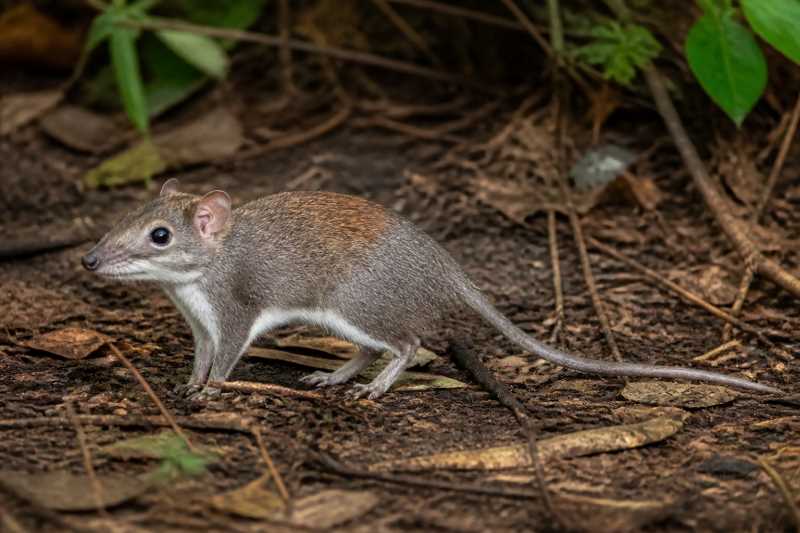
The Dalat Gymnure, a member of the Erinaceidae family, exhibits distinctive physical traits that set it apart from its relatives. Often mistaken for a hedgehog, this species lacks spines, possessing instead a dense coat of fur. The fur is generally grayish-brown, allowing it to blend seamlessly with its forested surroundings. Adult Dalat Gymnures typically weigh between 300 to 400 grams and measure about 20 to 25 centimeters in length, excluding the tail, which adds another 5 centimeters.
Their elongated snout is a defining characteristic, aiding them in foraging for insects and other small invertebrates. The limbs are relatively short but muscular, adapted for digging and navigating their terrestrial habitat. The eyes and ears are proportionally small, an adaptation to their nocturnal lifestyle, while their keen sense of smell compensates for these diminutive sensory organs.
Range and Habitat
The Dalat Gymnure is endemic to Southeast Asia, with a significant population residing in the Annamite Range, a chain of mountains extending across Vietnam and Laos. These creatures favor montane evergreen forests, thriving at elevations ranging from 1,000 to 2,500 meters above sea level. Such habitats provide ample cover and a rich supply of invertebrate prey.
The forest floor, littered with leaf debris and fallen branches, serves as both a foraging ground and a refuge from predators. The Dalat Gymnure is also known to inhabit secondary forests and occasionally agricultural areas, demonstrating a degree of adaptability to human-altered landscapes.
Behavior and Diet
Primarily nocturnal, the Dalat Gymnure is most active during twilight and nighttime hours. This behavior minimizes encounters with predators and reduces competition with diurnal species. The species is solitary, with individuals maintaining defined territories that they mark using scent glands.
Their diet is predominantly insectivorous, consisting of insects, worms, and other small invertebrates. However, they are opportunistic feeders and may consume small vertebrates and plant matter when available. Foraging is typically carried out on the forest floor, where their acute sense of smell aids in locating hidden prey.
Identification Tips (Field Recognition Cues)
Identifying the Dalat Gymnure in its natural habitat requires keen observation and an understanding of its unique characteristics:
- Habitat Preference: Look for them in montane evergreen forests, particularly near dense underbrush and leaf litter.
- Nocturnal Activity: Sightings are more likely during dusk and nighttime.
- Physical Traits: Note the elongated snout, small eyes and ears, and grayish-brown fur.
- Behavioral Patterns: Solitary foraging behavior and territory marking can be indicators.
- Tracks and Signs: Look for small tracks and droppings in soft soil or leaf litter.
Conservation Status (with Threats and Protections)
The Dalat Gymnure is currently classified as "Least Concern" by the International Union for Conservation of Nature (IUCN). However, this status does not imply the absence of threats. Habitat loss due to deforestation, agricultural expansion, and infrastructure development poses significant risks to their populations.
Conservation efforts are crucial to mitigate these threats. Protected areas, such as national parks and nature reserves within their range, offer some degree of habitat security. Additionally, community-based conservation initiatives aim to reduce human-wildlife conflict and promote sustainable land-use practices.
Frequently Asked Questions
1. What is the Dalat Gymnure?
The Dalat Gymnure (Hylomys macrurus) is a small, insectivorous mammal found in the montane forests of Southeast Asia, particularly in Vietnam.
2. How can you identify a Dalat Gymnure?
Identifying a Dalat Gymnure involves looking for its elongated snout, grayish-brown fur, and nocturnal activity in montane forests.
3. What are the main threats to the Dalat Gymnure?
The main threats include habitat loss due to deforestation, agricultural expansion, and infrastructure development in their native range.
4. Is the Dalat Gymnure endangered?
No, the Dalat Gymnure is currently classified as "Least Concern," but ongoing habitat destruction could pose future risks.
5. What do Dalat Gymnures eat?
Their diet primarily consists of insects and other small invertebrates, though they may also consume small vertebrates and plant matter.
By understanding and appreciating the Dalat Gymnure’s ecological role, we can better advocate for its conservation and the preservation of its natural habitat.
Related posts