Introduction
The Zambales Forest Mouse (Apomys zambalensis) is a unique rodent species native to the Philippines. It belongs to the family Muridae, which encompasses a vast array of mouse and rat species. Discovered relatively recently, the Zambales Forest Mouse is an integral component of the Philippine biodiversity, contributing to the rich fauna of the country’s forest ecosystems. This article explores various aspects of this species, from its physical characteristics to its ecological roles, threats, and conservation efforts.
Physical Description
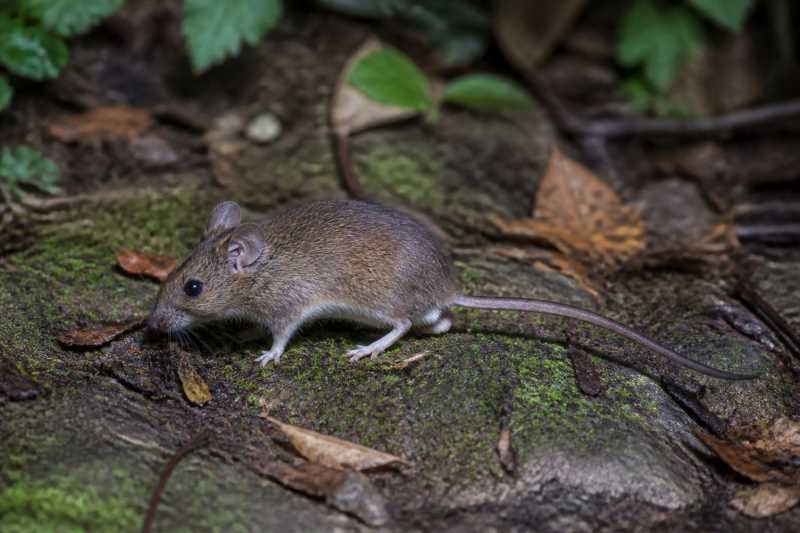
The Zambales Forest Mouse is a small rodent, with a body length ranging from 10 to 12 centimeters, and a tail length that is roughly equivalent to its body size. Its fur is typically a dull brown on the dorsal side, providing effective camouflage in the forest underbrush. The ventral side is lighter, often showing a creamy white coloration. One of the distinguishing features of Apomys zambalensis is its large, rounded ears, which are well-adapted for acute hearing. The eyes are relatively large, indicating a nocturnal lifestyle, while the whiskers are long and sensitive, aiding in navigation through dense foliage.
Range and Habitat
The Zambales Forest Mouse is endemic to the Zambales Mountain Range on the island of Luzon in the Philippines. This mouse thrives in montane and mossy forest environments, typically found at elevations ranging from 600 to 1,800 meters above sea level. These habitats provide the necessary cover and resources, such as food and nesting sites, for the survival of the species. The dense vegetation and the relatively undisturbed nature of these forests make them ideal for the Zambales Forest Mouse, although habitat loss due to human activities poses a growing threat.
Behavior and Diet
The Zambales Forest Mouse is primarily nocturnal, with peak activity occurring during the night. This behavior helps it avoid predation and take advantage of the cooler, quieter forest environment. The diet of Apomys zambalensis consists mainly of seeds, fruits, and insects, making it an omnivore. This dietary flexibility allows it to adapt to seasonal changes in food availability. Foraging occurs mainly on the forest floor, where it uses its acute sense of smell and touch to locate food.
Socially, the Zambales Forest Mouse is solitary, with individuals maintaining their own territories. Communication between individuals is primarily through scent marking and auditory signals, such as high-pitched squeaks. Breeding typically occurs during the wet season, when food resources are most abundant, and females give birth to small litters of usually two to four young.
Identification Tips
Field recognition of the Zambales Forest Mouse can be challenging due to its resemblance to other forest rodents. However, there are specific cues that can aid in identification:
- Size and Proportions: Look for a small rodent with a total length (including tail) of 20 to 24 centimeters.
- Coloration: Note the dull brown dorsal fur and lighter ventral side.
- Ears and Eyes: Large, rounded ears and prominent eyes are key characteristics.
- Tail: The tail is long and sparsely haired, often similar in length to the body.
- Habitat: Found predominantly in montane and mossy forests within its limited range.
Conservation Status (with threats and protections)
The International Union for Conservation of Nature (IUCN) currently lists the Zambales Forest Mouse as a species of Least Concern, due to its relatively stable population in its native habitat. However, ongoing threats could change this status if not addressed. The primary threats to Apomys zambalensis include habitat loss from logging, agricultural expansion, and infrastructure development. These activities lead to forest fragmentation, which can isolate populations and reduce genetic diversity.
Conservation efforts focus on habitat protection and management. Key strategies include establishing protected areas within the species’ range, promoting sustainable land-use practices, and conducting further research to monitor population trends. Local conservation programs also aim to involve indigenous communities in conservation efforts, highlighting the ecological importance of the Zambales Forest Mouse and its habitat.
Frequently Asked Questions
Q1: What is the natural habitat of the Zambales Forest Mouse? The Zambales Forest Mouse inhabits montane and mossy forests in the Zambales Mountain Range, preferring elevations from 600 to 1,800 meters.
Q2: Is the Zambales Forest Mouse endangered? Currently, the Zambales Forest Mouse is not considered endangered, but it faces threats from habitat loss that could impact its future status.
Q3: How can I identify a Zambales Forest Mouse in the wild? Look for a small, brown rodent with large ears and eyes, typically found in montane forests. Its tail is about the same length as its body.
Q4: What does the Zambales Forest Mouse eat? This mouse is omnivorous, feeding on seeds, fruits, and insects. Its diet varies with seasonal availability of food resources.
Q5: Why is the Zambales Forest Mouse important? The Zambales Forest Mouse plays a crucial role in seed dispersal and pest control within its ecosystem, contributing to forest health and biodiversity.
Related posts