Colombian Oldfield Mouse (Thomasomys dispar)
Introduction
The Colombian Oldfield Mouse, scientifically known as Thomasomys dispar, is a fascinating yet lesser-known species within the diverse family of rodents. Native to the Andean regions of Colombia, this species plays a crucial role in its ecosystem. As a member of the genus Thomasomys, it shares its lineage with other Andean rodents, though T. dispar stands out due to its unique adaptations and characteristics. This article delves into the various aspects of the Colombian Oldfield Mouse, offering a comprehensive overview of its physical attributes, habitat, behavior, and much more.
Physical Description
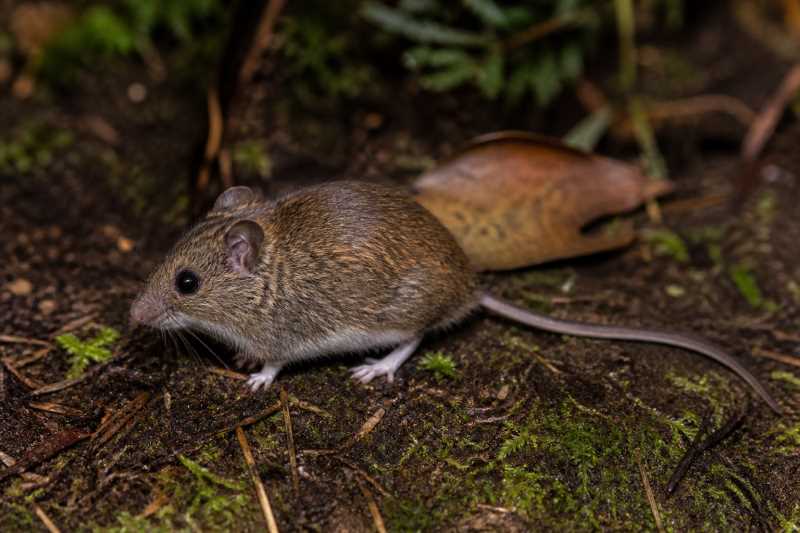
Thomasomys dispar is a small rodent, typical of the Thomasomyinae subfamily, characterized by a modest body size and soft fur. On average, its body length ranges from 10 to 15 centimeters (approximately 4 to 6 inches), with a tail that often matches or slightly exceeds its body length, offering balance and agility in its arboreal habitat. The fur of the Colombian Oldfield Mouse is generally a mix of brown and gray, providing excellent camouflage against the forest floor and underbrush. Its underbelly often displays a lighter hue, ranging from pale gray to off-white. The mouse is equipped with small, rounded ears and a pointed snout, both of which enhance its acute sense of hearing and smell, critical for survival in the dense forest.
Range and Habitat
The Colombian Oldfield Mouse is endemic to Colombia, primarily found in the Andean mountain ranges. Its preferred habitats are the montane forests and paramos, where it thrives in altitudes ranging from 2,000 to 3,500 meters (6,600 to 11,500 feet) above sea level. These regions offer a cool, moist climate, abundant vegetation, and a complex ecosystem rich in biodiversity. The mouse often resides in areas with dense undergrowth, which provides ample cover from predators and a plethora of food sources. The Andean forests, characterized by their lush vegetation and diverse flora, serve as the perfect backdrop for the life of T. dispar.
Behavior and Diet
The Colombian Oldfield Mouse is primarily nocturnal, spending daylight hours in burrows or nestled within dense foliage. Its nocturnal nature helps it avoid daytime predators and take advantage of the cooler night temperatures. The species is known for its agility and ability to climb, which aids in foraging and escaping threats.
In terms of diet, Thomasomys dispar is omnivorous. Its diet consists of seeds, fruits, insects, and small invertebrates. The mouse plays a pivotal role in seed dispersal, contributing to the ecological balance of its habitat. Its foraging habits are opportunistic, allowing it to adapt to the available resources throughout the seasons.
Identification Tips (Field Recognition Cues)
Identifying the Colombian Oldfield Mouse in its natural habitat can be challenging due to its elusive nature and camouflaged appearance. However, certain cues can aid in its recognition:
- Size and Shape: Look for a small rodent with a body length of 10-15 cm and a tail of equal or greater length.
- Fur Coloration: Note the brown and gray fur with a lighter underbelly, typical of Thomasomys dispar.
- Behavior: Observe nocturnal activities; the mouse is more active during the night.
- Habitat Preference: Focus searches in montane forests and paramos within the specified altitude range.
Conservation Status (with Threats and Protections)
The conservation status of the Colombian Oldfield Mouse is currently assessed as Least Concern by the International Union for Conservation of Nature (IUCN), indicating that it is not immediately at risk of extinction. However, its habitat faces significant threats from human activities. Deforestation for agriculture, mining, and urban expansion poses the greatest risk by reducing available habitat and fragmenting populations.
Efforts to protect its habitats include the establishment of protected areas and national parks within the Andean region. These measures aim to conserve the biodiversity of the forests and provide a sanctuary for T. dispar and other endemic species. Continued research and monitoring are essential to ensure the survival of this species amid environmental changes.
Frequently Asked Questions
What is the typical habitat of the Colombian Oldfield Mouse?
The Colombian Oldfield Mouse primarily inhabits montane forests and paramos in the Andes of Colombia. It thrives in altitudes ranging from 2,000 to 3,500 meters above sea level, preferring regions with dense undergrowth and ample vegetation.
How does the Colombian Oldfield Mouse contribute to its ecosystem?
Thomasomys dispar plays a crucial role in seed dispersal, which helps maintain the ecological balance of its habitat. By foraging on various fruits and seeds, it aids in the propagation of plant species, contributing to forest regeneration.
Are there any conservation efforts in place for the Colombian Oldfield Mouse?
Yes, there are conservation efforts aimed at protecting the habitats of the Colombian Oldfield Mouse. These include the establishment of protected areas and national parks in the Andean region to safeguard the biodiversity and provide a refuge for native species.
What are the main threats to the Colombian Oldfield Mouse?
The primary threats to Thomasomys dispar are habitat loss and fragmentation due to deforestation, agriculture, and urban development. These activities reduce the available habitat and can isolate populations, making survival more challenging.
How can I identify a Colombian Oldfield Mouse in the field?
To identify a Colombian Oldfield Mouse, look for a small rodent with brown and gray fur, a lighter underbelly, and a body length of 10-15 cm with a similarly sized tail. It is nocturnal and typically found in montane forests at high altitudes in Colombia.
Related posts