Introduction
The Southern Climbing Rat, scientifically known as Rhipidomys austrinus, is a fascinating rodent species that inhabits the forests of South America. Known for its arboreal lifestyle and unique adaptations, this species plays a significant role in its ecosystem. This article provides a comprehensive overview of the Southern Climbing Rat, covering its physical characteristics, habitat, behavior, and conservation status.
Physical Description
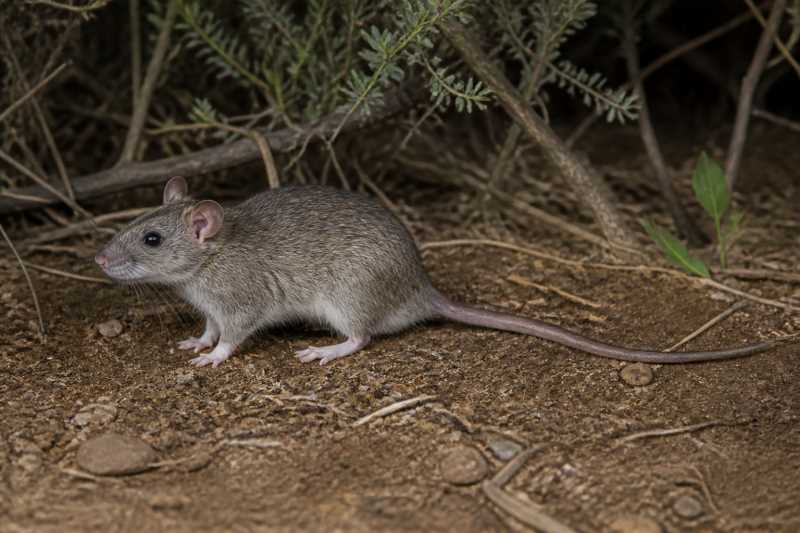
The Southern Climbing Rat is a medium-sized rodent characterized by its agile physique, which is well-adapted for life in the trees. Adults typically measure between 15 to 20 centimeters in body length, with a tail that can add an additional 18 to 25 centimeters. This tail is not only long but also prehensile, aiding in balance and grasping branches as the rat navigates the forest canopy.
The fur of the Southern Climbing Rat is soft and dense, providing insulation against the varying temperatures of its habitat. The dorsal side is usually a shade of brown, ranging from light to dark, while the underside is lighter, often white or cream in color. This coloration provides camouflage against predators as the rat moves through the trees.
Range and Habitat
Rhipidomys austrinus is native to the subtropical and tropical forests of South America. Its range extends across several countries, including Argentina, Brazil, and Paraguay. This species is typically found in lowland forests, although it can also inhabit montane forests and secondary growth areas.
The Southern Climbing Rat prefers dense forest environments where it can exploit the vertical space provided by trees. It constructs nests using leaves and twigs, usually situated in tree hollows or dense foliage, providing protection and a vantage point for foraging.
Behavior and Diet
As a nocturnal species, the Southern Climbing Rat is most active during the night. This nocturnal behavior aids in avoiding predators and reduces competition for food resources. It is an excellent climber, using its prehensile tail and sharp claws to maneuver through the canopy.
The diet of Rhipidomys austrinus is omnivorous, consisting of fruits, seeds, insects, and occasionally small vertebrates. This varied diet allows the species to adapt to seasonal changes in food availability, ensuring its survival throughout the year.
Identification Tips
Identifying the Southern Climbing Rat in the field requires a keen eye due to its elusive and nocturnal nature. Here are some tips for recognition:
- Size and Shape: Look for a medium-sized rodent with a slender body and long tail, typically seen moving among the trees.
- Coloration: Note the brown dorsal fur and lighter ventral side, which provide camouflage in its natural habitat.
- Behavior: Observe its climbing habits and nocturnal activity patterns, often detected by rustling sounds in the foliage at night.
Conservation Status
The Southern Climbing Rat is currently classified as Least Concern on the IUCN Red List. However, its population is facing threats primarily due to habitat destruction. Deforestation for agriculture and urban expansion significantly reduces the available habitat for this species.
Conservation efforts are underway to protect the natural forests that this species relies on. Protected areas and national parks play a crucial role in preserving its habitat. Additionally, initiatives to promote sustainable land use practices help mitigate the impact of human activities on the Southern Climbing Rat’s environment.
Frequently Asked Questions
What is the Southern Climbing Rat’s primary habitat?
The Southern Climbing Rat primarily inhabits subtropical and tropical forests in South America, preferring dense, arboreal environments where it can utilize its climbing abilities.
How does the Southern Climbing Rat adapt to its environment?
With its prehensile tail and sharp claws, the Southern Climbing Rat is highly adapted to arboreal life, allowing it to navigate the forest canopy efficiently.
What threats does the Southern Climbing Rat face?
The primary threat to the Southern Climbing Rat is habitat destruction due to deforestation and land conversion for agriculture, which reduces its natural habitat.
Is the Southern Climbing Rat endangered?
Currently, the Southern Climbing Rat is not endangered, but it is classified as Least Concern. Ongoing habitat destruction could pose future risks to its population.
How can we help protect the Southern Climbing Rat?
Supporting conservation efforts, promoting sustainable land use, and protecting forested areas are essential steps in ensuring the survival of the Southern Climbing Rat.
Related posts