Introduction
The Cordillera Deermouse (Peromyscus cordillerae) is a fascinating mammal species that belongs to the family Cricetidae. Known for its adaptability and resilience, this small rodent is an integral part of the ecosystems in which it resides. As with many species in the genus Peromyscus, the Cordillera Deermouse exhibits a variety of traits that allow it to thrive in diverse environments. This article delves into the physical characteristics, habitat preferences, behavioral patterns, and conservation status of the Cordillera Deermouse, providing a comprehensive overview for researchers, conservationists, and nature enthusiasts alike.
Physical Description
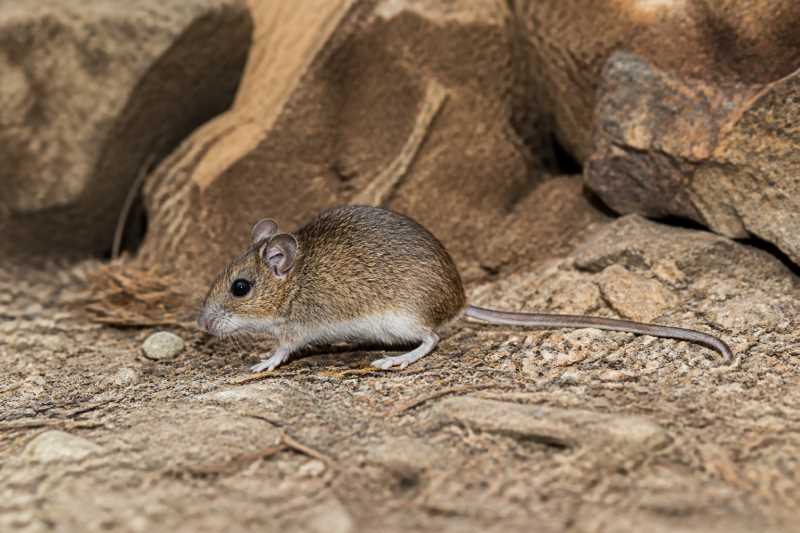
The Cordillera Deermouse is a small rodent, with adults typically measuring between 15 to 20 centimeters in total length, including the tail. Like other members of the Peromyscus genus, it exhibits a slender body, large ears, and a pointed snout. Its fur is generally soft and dense, ranging in color from grayish-brown on the dorsal side to a lighter, whitish hue on the ventral side. This coloration provides effective camouflage against predators in its natural habitat. The tail is moderately long, often matching the length of the body, and is slightly furred, aiding in balance and agility.
Range and Habitat
The Cordillera Deermouse is primarily found in the mountainous regions of North and Central America, particularly within the Cordillera mountain ranges. Its distribution extends through a variety of elevational zones, from lowland forests to subalpine environments. This species is highly adaptable, inhabiting diverse ecosystems such as coniferous forests, grasslands, and shrublands. It tends to favor areas with ample ground cover and vegetation, which provide shelter and foraging opportunities. Seasonal variations in habitat use have been observed, with some populations migrating to lower elevations during colder months.
Behavior and Diet
The Cordillera Deermouse is a nocturnal and primarily solitary creature, although it may display social behaviors during breeding seasons. Its activity peaks during the night, when it forages for food and explores its territory. The diet of the Cordillera Deermouse is omnivorous, consisting of seeds, fruits, insects, and small invertebrates. This varied diet allows it to adapt to seasonal changes in food availability. The species is also known for its food caching behavior, storing provisions for periods of scarcity. Nesting habits include the construction of small, well-hidden nests made of plant material, often located in tree hollows or underground burrows.
Identification Tips (Field Recognition Cues)
Field identification of the Cordillera Deermouse can be challenging due to its resemblance to other Peromyscus species. Key distinguishing features include its moderate size, distinct fur coloration, and long tail. Observers should note the large, prominent ears and the sharp contrast between the dorsal and ventral fur colors. The presence of this deermouse in montane regions can also aid in identification, as can its characteristic behavior such as rapid, agile movements and nocturnal activity patterns.
Conservation Status (With Threats and Protections)
Currently, the Cordillera Deermouse is not listed as endangered or threatened, but its populations face various environmental pressures. Habitat loss due to deforestation, agricultural expansion, and urban development poses significant threats. Climate change impacts, such as altered precipitation patterns and temperature shifts, may also affect its habitat and food resources. Conservation efforts are focused on habitat preservation and management, as well as further research to monitor population trends and ecological requirements. Protective measures include the establishment of protected areas and wildlife corridors that facilitate movement and genetic exchange between populations.
Frequently Asked Questions
Why is this species unique?
The Cordillera Deermouse is unique due to its adaptability to diverse habitats and its ability to survive in challenging mountainous environments. Its behavioral traits, such as food caching and nocturnal activity, further distinguish it from other rodent species.
What are the main threats to the Cordillera Deermouse?
The primary threats to the Cordillera Deermouse include habitat loss due to human activities, climate change, and competition with other small mammals. Conservation initiatives aim to mitigate these threats by protecting natural habitats and promoting sustainable land-use practices.
How can conservation efforts help this species?
Conservation efforts can help the Cordillera Deermouse by preserving its natural habitats, establishing protected areas, and conducting research to better understand its ecological needs. Public awareness and education about the importance of biodiversity can also contribute to its conservation.
How does the Cordillera Deermouse contribute to its ecosystem?
The Cordillera Deermouse plays a crucial role in its ecosystem by participating in seed dispersal and serving as prey for various predators. Its foraging activities help maintain the balance of plant and insect populations, contributing to overall ecosystem health.
Related posts