Introduction
The Eastern Mole Vole (Ellobius tancrei) is a fascinating rodent species that has captured the interest of mammalogists and wildlife enthusiasts alike. Known for its subterranean lifestyle and distinctive morphology, this species is an integral part of the ecosystems it inhabits. Despite its reclusive nature, the Eastern Mole Vole plays a crucial role in soil aeration and nutrient recycling, making it an important species for ecological balance. In this article, we will explore the various aspects of Ellobius tancrei, including its physical characteristics, habitat preferences, behavior, and conservation status.
Physical Description
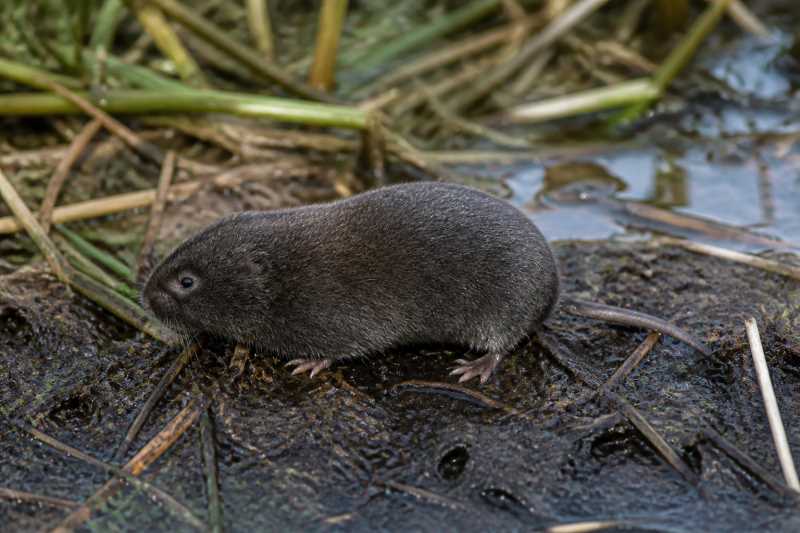
Eastern Mole Voles are small, burrowing rodents characterized by their compact bodies and adaptations for a subterranean lifestyle. Typically, they measure between 10 to 15 centimeters in length and weigh around 50 to 70 grams. Their fur is short, dense, and predominantly gray or brown, providing excellent camouflage against the soil.
One of the most distinctive features of Ellobius tancrei is its reduced eyes, which are adapted for life underground. Unlike many other rodents, their eyes are small and not as developed, reflecting their reliance on tactile and olfactory cues over visual ones. Their ears are also small and often hidden within the fur.
The forelimbs of the Eastern Mole Vole are particularly noteworthy. They are robust and equipped with strong claws, perfect for digging and navigating through the earth. The hind limbs, while less robust, are adequately developed to aid in their underground locomotion.
Range and Habitat
Ellobius tancrei is primarily found in Central Asia, with a range that extends across countries such as Kazakhstan, Uzbekistan, and Kyrgyzstan. They inhabit a variety of environments, including grasslands, steppes, and semi-desert areas. These voles are highly adaptable and can thrive in both natural grasslands and modified agricultural landscapes.
Their preference for loose, well-drained soils is due to their burrowing nature. The burrows of Eastern Mole Voles can be quite extensive, often reaching depths of up to a meter and stretching over several meters in length. These underground networks serve as protection from predators and harsh weather conditions, as well as nesting sites.
Behavior and Diet
Eastern Mole Voles are solitary and primarily nocturnal creatures, spending most of their lives underground. They are known for their extensive tunneling activities, which not only provide shelter but also help in finding food.
Their diet consists mainly of plant material, including roots, tubers, and seeds. This herbivorous diet is well-suited to their underground lifestyle, as they can access food sources that are otherwise unavailable to surface-dwelling animals. During the winter months, they rely on stored food reserves, showcasing their ability to plan ahead for periods of scarcity.
Identification Tips (field recognition cues)
Identifying Eastern Mole Voles in the wild can be challenging due to their secretive nature. However, certain cues can aid in their identification:
- Burrow Entrances: Look for small, rounded entrances to their tunnels in areas with loose soil.
- Soil Mounds: Fresh mounds of soil can indicate recent burrowing activity.
- Fur and Claw Marks: Occasionally, you might find traces of their fur or claw marks near burrow entrances.
- Tracks: In rare instances when they surface, their tracks can be identified by their small size and the presence of claw impressions.
Conservation Status (with threats and protections)
The Eastern Mole Vole is currently listed as a species of Least Concern on the IUCN Red List, primarily due to its wide distribution and presumed large population. However, there are localized threats that could impact certain populations.
Threats:
- Habitat Destruction: Agricultural expansion and urban development can lead to the destruction of their natural habitats.
- Pesticides: The use of pesticides in agricultural areas can poison voles directly or reduce their food sources.
- Climate Change: Changes in climate can alter the availability of food and suitable burrowing conditions.
Protections:
Conservation efforts for the Eastern Mole Vole are not well-established, given its current status. However, habitat preservation and sustainable agricultural practices can help mitigate some of the threats they face.
Frequently Asked Questions
1. What adaptations do Eastern Mole Voles have for underground life? Eastern Mole Voles have several adaptations for life underground, including reduced eyes, small ears, and strong forelimbs with claws for digging. Their dense fur provides protection from the soil, and their burrowing behavior helps them avoid predators.
2. How do Eastern Mole Voles contribute to their ecosystem? These voles play an essential role in soil aeration and nutrient recycling. Their burrowing activities help mix the soil, facilitating the decomposition of organic matter and improving soil health.
3. What is the primary diet of Eastern Mole Voles? Eastern Mole Voles primarily feed on plant material such as roots, tubers, and seeds. Their herbivorous diet is well-suited to their subterranean lifestyle, allowing them to access food sources below the surface.
4. Are Eastern Mole Voles endangered? Currently, Eastern Mole Voles are not considered endangered. They are classified as Least Concern by the IUCN, but localized threats such as habitat destruction and pesticide use could impact certain populations.
5. How can I identify an Eastern Mole Vole in the wild? Identifying Eastern Mole Voles involves looking for signs such as burrow entrances, soil mounds, and, occasionally, tracks or fur near tunnel openings.
Related posts