Introduction
The Arizona Pocket Mouse, scientifically known as Perognathus amplus, is a fascinating small rodent that belongs to the family Heteromyidae. This species is primarily found in the southwestern United States, particularly in Arizona. Known for its unique adaptations and behaviors, the Arizona Pocket Mouse plays an essential role in its ecosystem. This article will delve into the various aspects of this intriguing mammal, including its physical characteristics, habitat, behavior, and conservation status.
Physical Description
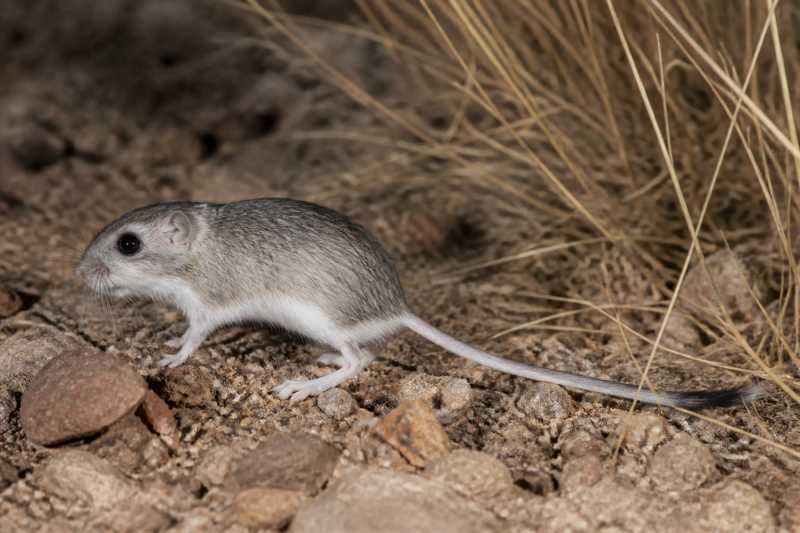
The Arizona Pocket Mouse is a small, nocturnal mammal with distinct physical features that aid in its survival in arid environments. Typically, adults measure about 5 to 7 inches in total length, including their tail, which comprises half of this measurement. The average weight of this species ranges from 10 to 15 grams, making it a lightweight among rodents.
The fur of the Arizona Pocket Mouse is soft and ranges in color from pale sandy to dark brown, providing excellent camouflage against the desert landscape. A notable feature of this species is the external fur-lined cheek pouches, which are used to carry food. These pouches are a characteristic trait of the family Heteromyidae.
Range and Habitat
The Arizona Pocket Mouse is predominantly found in the southwestern United States, with a concentration in Arizona. Its range extends into parts of New Mexico and northern Mexico, where it inhabits deserts, grasslands, and shrublands. This species is highly adapted to arid environments, where it thrives in sandy or gravelly soils that facilitate burrowing.
The preferred habitat of the Arizona Pocket Mouse includes areas with sparse vegetation, such as creosote bush and mesquite, which offer both food sources and protection from predators. These mice are often found in habitats with loose, well-drained soils that allow for easy excavation of burrows.
Behavior and Diet
The Arizona Pocket Mouse is primarily nocturnal, which helps it avoid the extreme heat of the day. This nocturnal lifestyle also aids in reducing water loss. As a solitary animal, it spends most of its time foraging for food at night.
The diet of the Arizona Pocket Mouse mainly consists of seeds, which it collects and stores in its cheek pouches. These pouches are an essential adaptation, allowing the mouse to transport food back to its burrow without having to make multiple trips. In addition to seeds, the mouse may occasionally consume insects and green vegetation, depending on availability.
Burrowing is a critical behavior for the Arizona Pocket Mouse, as it provides shelter from predators and extreme weather conditions. These burrows can be quite elaborate, consisting of multiple chambers used for storage and nesting.
Identification Tips (Field Recognition Cues)
Identifying the Arizona Pocket Mouse in the field requires attention to several distinct features:
- Size and Weight: Look for a small rodent, typically measuring 5 to 7 inches in length and weighing between 10 to 15 grams.
- Fur Coloration: Note the sandy to dark brown fur, which blends seamlessly with desert surroundings.
- Cheek Pouches: Observe the presence of fur-lined cheek pouches, a distinctive trait used for carrying food.
- Behavior: Spot these mice foraging at night, as they are nocturnal.
- Habitat: Search in desert and grassland areas with loose, well-drained soils.
Conservation Status (With Threats and Protections)
The Arizona Pocket Mouse is currently categorized as a species of Least Concern by the International Union for Conservation of Nature (IUCN). Despite this relatively secure status, the species faces several threats that could impact its population in the future.
Habitat destruction due to urban development, agriculture, and mining poses significant risks to the Arizona Pocket Mouse. The alteration of natural landscapes can lead to a loss of suitable habitats and food sources. Additionally, climate change and prolonged drought conditions may further challenge the survival of this species in its arid environment.
Conservation efforts for the Arizona Pocket Mouse include habitat preservation and monitoring population trends. Protecting large swathes of desert and grassland ecosystems is crucial to ensure the long-term survival of this species.
Frequently Asked Questions
Why is this species unique?
The Arizona Pocket Mouse is unique due to its specialized adaptations for surviving in arid desert environments. Its fur-lined cheek pouches and nocturnal habits are among the key traits that distinguish it from other rodents. Furthermore, its ability to thrive in harsh conditions highlights its evolutionary success.
What role does the Arizona Pocket Mouse play in its ecosystem?
As a seed disperser, the Arizona Pocket Mouse plays a vital role in its ecosystem. By collecting and storing seeds, it aids in plant propagation. Additionally, its burrowing activity contributes to soil aeration, which benefits plant growth and the overall health of the desert ecosystem.
How does the Arizona Pocket Mouse avoid predators?
The Arizona Pocket Mouse employs several strategies to avoid predators, including its nocturnal lifestyle, which reduces encounters with daytime predators. Its burrowing behavior offers protection, and its camouflage fur helps it blend into the desert terrain, making it less visible to predators.
What are the main threats to the Arizona Pocket Mouse?
The primary threats to the Arizona Pocket Mouse include habitat destruction due to human activities such as urban development and agriculture, as well as climate change. These factors can lead to habitat loss and reduced food availability, impacting the species’ survival.
How can conservation efforts help protect the Arizona Pocket Mouse?
Conservation efforts can help protect the Arizona Pocket Mouse by focusing on habitat preservation and minimizing human impact on its environment. Creating protected areas and promoting sustainable land use practices can ensure that the natural habitats of this species remain intact and viable.
Related posts