Introduction
The California Pocket Mouse (Chaetodipus californicus) is a small yet fascinating rodent species endemic to the state of California and parts of Baja California, Mexico. This species is a member of the Heteromyidae family, which also includes kangaroo rats and other pocket mice. Known for its distinctive cheek pouches used for storing food, the California Pocket Mouse is a vital component of its ecosystem. Despite its small size, this mouse plays a significant role in seed dispersion and soil aeration, contributing to the health and diversity of its habitat.
Physical Description
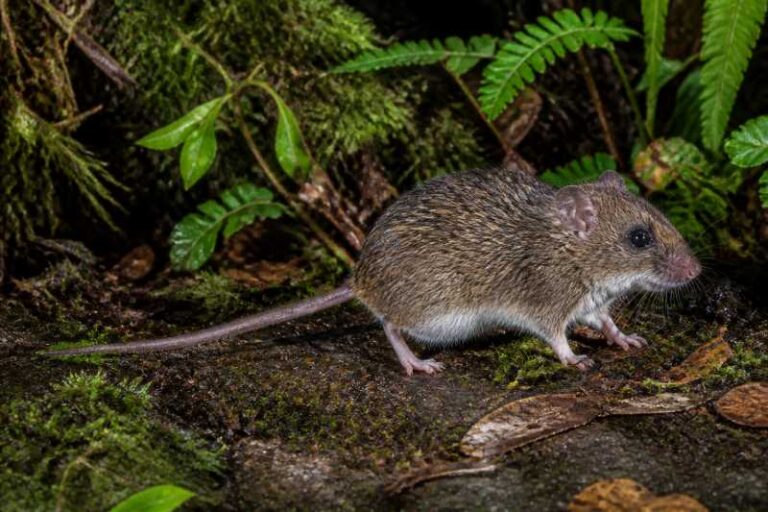
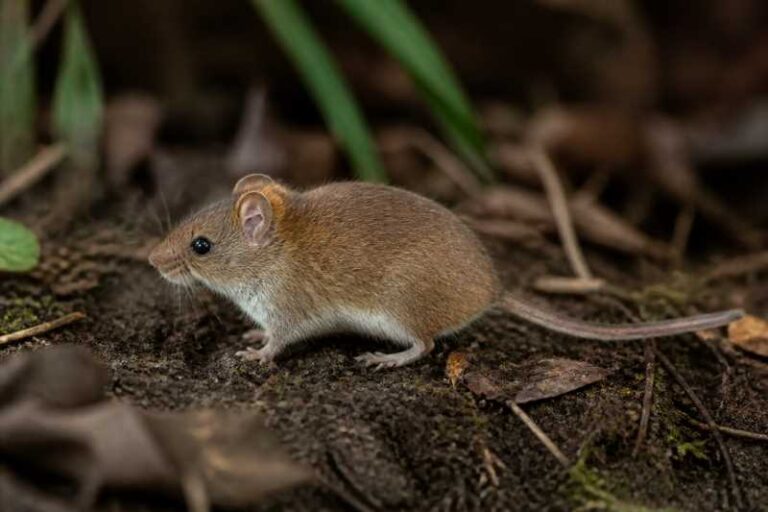
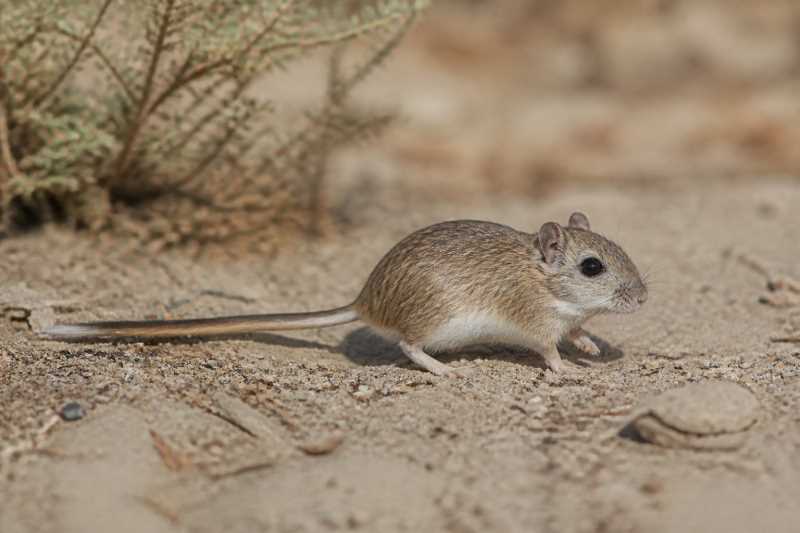
The California Pocket Mouse is characterized by its relatively small size, measuring approximately 180 to 210 mm in total length, including its tail. It typically weighs between 11 to 20 grams. The fur of the California Pocket Mouse is soft and ranges from pale gray to reddish-brown on the dorsal side, with a lighter, often white or cream-colored ventral side. One of the most distinctive features of this species is its fur-lined cheek pouches, which are used for carrying seeds and other food items. Its hind legs are slightly elongated, aiding in its ability to make quick, hopping movements. The tail is furred and longer than the body, providing balance and agility.
Range and Habitat
The California Pocket Mouse is primarily found in the southwestern United States, with a concentration in the state of California and extending into northern Baja California, Mexico. Its range includes coastal sage scrub, chaparral, and desert habitats. It thrives in areas with loose, sandy soils where it can easily construct burrows. These mice are often found in regions with sparse vegetation, which provides cover from predators while allowing easy access to food sources. Despite their name, they are not limited to pocketed landscapes but adapt well to a variety of arid and semi-arid environments.
Behavior and Diet
California Pocket Mice are nocturnal creatures, spending the daylight hours in their burrows to avoid predators and extreme temperatures. They are solitary animals, each maintaining its own territory. At night, they emerge to forage for food, primarily seeds, which constitute the bulk of their diet. They also consume green vegetation and insects, particularly during the wet season when these resources are more abundant. Their cheek pouches allow them to transport food back to their burrows, where they can consume it later or store it for future use. This behavior is particularly advantageous in environments where food availability is unpredictable.
Identification Tips (Field Recognition Cues)
When attempting to identify the California Pocket Mouse in the field, look for its small size and distinctive cheek pouches. Its coloration, ranging from gray to reddish-brown on top with a lighter underside, helps it blend into its surroundings, but the contrast can be noticeable at closer distances. The elongated hind legs and long, furred tail are additional identifying features. Observers might also notice the mouse’s unique hopping motion, which differentiates it from other small rodents. Being nocturnal, sightings are more likely in the early evening or at night.
Conservation Status (with Threats and Protections)
The California Pocket Mouse is currently listed as a species of Least Concern by the International Union for Conservation of Nature (IUCN), but like many wildlife species, it faces certain threats. Habitat loss due to urban development, agriculture, and environmental changes poses significant risks to its populations. Additionally, predation by domestic animals and exposure to pesticides can negatively impact their numbers. Conservation efforts focus on habitat preservation and management to ensure stable populations. Protected areas and wildlife reserves play a critical role in safeguarding their habitats.
Frequently Asked Questions
What do California Pocket Mice eat?
California Pocket Mice primarily eat seeds, which they collect and store in their cheek pouches. They also consume green vegetation and insects when available, particularly during wetter months.
Where can the California Pocket Mouse be found?
This species is native to California and parts of Baja California, Mexico. It inhabits coastal sage scrub, chaparral, and desert areas with sandy soils.
How does the California Pocket Mouse contribute to its ecosystem?
The California Pocket Mouse plays a vital role in seed dispersion and soil aeration, which helps maintain the health and diversity of its ecosystem. By foraging and storing seeds, it aids in plant distribution and growth.
Are California Pocket Mice endangered?
Currently, the California Pocket Mouse is not endangered and is classified as Least Concern. However, habitat loss and environmental changes could pose future threats to their populations.
How can I identify a California Pocket Mouse?
Look for its small size, fur-lined cheek pouches, gray to reddish-brown fur with a lighter belly, elongated hind legs, and a long, furred tail. Their distinctive hopping motion is also a key identification trait.
Related posts