Introduction
The Jacobina Punare (Thrichomys inermis) is a captivating rodent species that belongs to the family Echimyidae. This species is endemic to Brazil and is known for its unique adaptations to the semi-arid environments of its native range. As an integral part of the ecosystem, the Jacobina Punare plays a crucial role in seed dispersal and serves as a prey species for various predators. Understanding the biology and ecology of this species is vital for its conservation and the maintenance of biodiversity in its habitat.
Physical Description
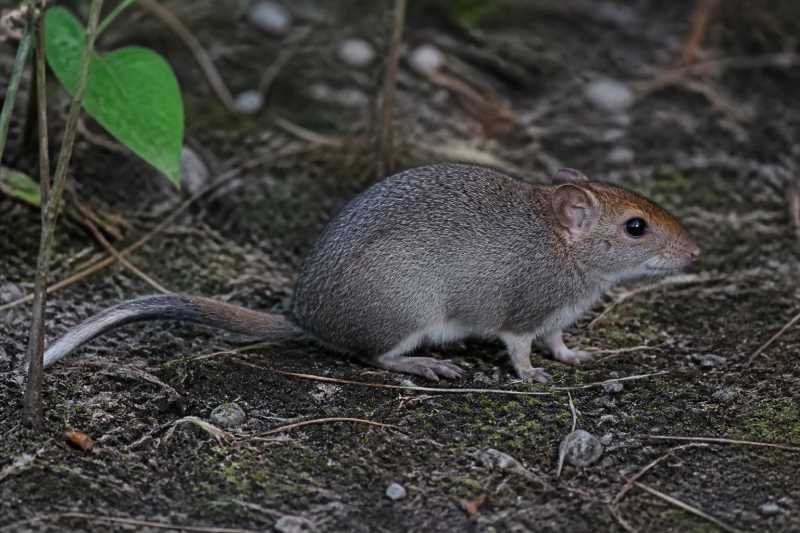
The Jacobina Punare is a medium-sized rodent with a distinctive appearance. It typically measures between 20 to 30 centimeters in body length, with a tail that is slightly shorter than its body. The fur of the Jacobina Punare is dense and coarse, providing protection against the harsh elements of its environment. Its coloration ranges from grayish-brown to a more reddish hue, with a lighter underside that aids in camouflage against predators.
One of the most notable physical features of the Jacobina Punare is its large, rounded ears that enhance its auditory capabilities. This adaptation is particularly useful in detecting predators and communicating with conspecifics. The species also has strong, sharp claws that facilitate digging and climbing, essential behaviors for foraging and escape.
Range and Habitat
The Jacobina Punare is primarily found in the northeastern region of Brazil, particularly within the states of Bahia and Minas Gerais. Its range is largely confined to the dry forests and shrublands, known as caatinga, which characterize this part of Brazil. This habitat is marked by seasonal variations in rainfall, with distinct wet and dry seasons that influence the availability of food and water.
The caatinga biome, while challenging, provides a unique niche for the Jacobina Punare. The species is well-adapted to this environment, utilizing the sparse vegetation for shelter and the diverse plant life for sustenance. The availability of rocky outcrops and burrows is also crucial for its survival, offering refuge from predators and extreme weather conditions.
Behavior and Diet
The Jacobina Punare is primarily nocturnal, with its activities peaking during the cooler hours of dusk and dawn. This behavior helps it avoid the intense heat of the day and reduces the risk of predation. It is a solitary animal, with individuals maintaining defined home ranges that they defend from others.
The diet of the Jacobina Punare is herbivorous, consisting mainly of seeds, fruits, leaves, and bark. Its ability to exploit a wide range of plant materials allows it to thrive in its semi-arid habitat. This dietary flexibility is complemented by its role as a seed disperser, contributing to the regeneration of its ecosystem.
Identification Tips (field recognition cues)
Identifying the Jacobina Punare in the wild can be challenging due to its elusive nature and the similarity to other rodent species. However, several key characteristics can aid in its identification:
- Size and Shape: Look for a medium-sized rodent with a robust body and a relatively short tail compared to its length.
- Fur Coloration: Note the grayish-brown to reddish fur, with a lighter underside that blends with the environment.
- Ear Size: The large, rounded ears are distinctive and can be a helpful identification feature.
- Behavior: Observing activity during twilight hours can indicate the presence of the Jacobina Punare.
- Habitat: Sightings are more likely in rocky, dry forest areas of the caatinga biome.
Conservation Status (with threats and protections)
The conservation status of the Jacobina Punare is currently classified as "Near Threatened" by the International Union for Conservation of Nature (IUCN). The primary threats to its survival include habitat destruction due to agricultural expansion, deforestation, and the increasing impact of climate change, which alters the availability of resources.
Conservation efforts for the Jacobina Punare focus on habitat preservation and restoration. Protecting large areas of the caatinga biome is essential for maintaining the ecological balance and ensuring the long-term survival of this species. Additionally, research initiatives aimed at understanding its ecology and behavior are crucial for informing effective conservation strategies.
Frequently Asked Questions
1. What is the natural habitat of the Jacobina Punare? The Jacobina Punare is native to the caatinga biome of northeastern Brazil, characterized by dry forests and shrublands. This habitat provides the necessary resources for its survival, including food and shelter.
2. How does the Jacobina Punare contribute to its ecosystem? As a seed disperser, the Jacobina Punare plays a vital role in plant regeneration and biodiversity. Its feeding habits help maintain the ecological balance within its habitat.
3. What are the major threats to the Jacobina Punare? Habitat destruction due to agricultural activities and deforestation, alongside climate change, pose significant threats to the Jacobina Punare. Conservation efforts focus on habitat protection and research.
4. How can one identify the Jacobina Punare in the wild? Identifying the Jacobina Punare involves looking for key features such as its medium size, distinctive fur coloration, large ears, and its preference for rocky, dry forest areas.
5. What conservation measures are in place for the Jacobina Punare? Conservation measures include protecting its natural habitat, conducting ecological research, and promoting sustainable land use practices to mitigate the impact of human activities.
Related posts