Introduction
The Southern Woolly Lemur, scientifically known as Avahi meridionalis, is a fascinating primate species endemic to Madagascar. It belongs to the family Indriidae and is known for its unique adaptations to arboreal life in the dense forests of its native habitat. This article provides a comprehensive overview of the Southern Woolly Lemur, including its physical characteristics, habitat, behavior, diet, and conservation status. As a nocturnal creature, its elusive nature and distinct morphology have captivated researchers and wildlife enthusiasts alike.
Physical Description
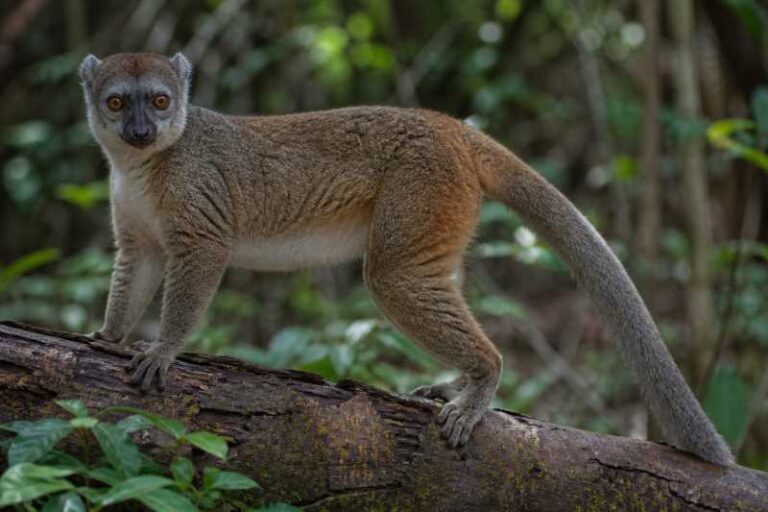
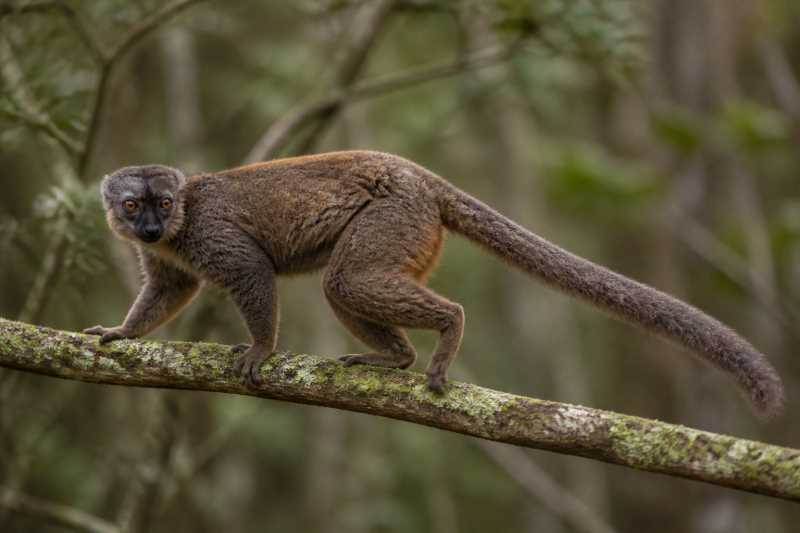
The Southern Woolly Lemur is a medium-sized primate characterized by its dense, woolly fur, which ranges from gray to reddish-brown, providing excellent camouflage in its natural habitat. Adults typically measure between 25 to 30 centimeters in body length, with a tail that can be as long as the body itself, aiding in balance as it navigates the treetops. This lemur has large, round eyes adapted for nocturnal vision, a trait that is essential for its nighttime activity. Its limbs are strong and agile, with specially adapted hands and feet that facilitate gripping branches and moving deftly through the forest canopy.
Range and Habitat
The Southern Woolly Lemur is found exclusively in the southeastern rainforests of Madagascar. Its range is relatively restricted compared to other lemur species, primarily inhabiting the lowland and mid-altitude rainforests. These areas are characterized by high humidity, dense foliage, and a variety of tree species, which provide both food and shelter. The lemur’s habitat is increasingly fragmented due to human activities, but it is particularly associated with regions that offer a rich diversity of plant life essential for its diet.
Behavior and Diet
Primarily nocturnal, the Southern Woolly Lemur is most active during the night, which helps it avoid many of its natural predators. It is a folivorous species, predominantly feeding on leaves, which are abundant in its rainforest habitat. It may also consume fruits, flowers, and bark occasionally. Socially, these lemurs are often observed in monogamous pairs or small family groups, exhibiting strong bonds and cooperative behaviors such as grooming and vocal communication. Their vocalizations are an essential part of their social structure, used for maintaining contact within the dense forest environment.
Identification Tips (Field Recognition Cues)
Identifying the Southern Woolly Lemur in the wild can be challenging due to its cryptic coloration and nocturnal habits. However, there are several cues that can aid in its recognition:
- Coloration: Look for its woolly fur, which is typically gray to reddish-brown.
- Size and Shape: Note its medium size and the length of its tail compared to its body.
- Eyes: Its large, reflective eyes are adapted to low-light conditions and may catch light from a flashlight or moonlight.
- Vocalizations: Listen for its distinctive calls during night surveys.
- Habitat: Search in dense rainforest areas, particularly in southeastern Madagascar.
Conservation Status (With Threats and Protections)
The Southern Woolly Lemur is currently listed as "Endangered" on the IUCN Red List due to its limited distribution and the ongoing threats to its habitat. Deforestation for agriculture, logging, and human settlement are the primary threats facing this species. Additionally, hunting pressure, although less significant, contributes to its declining population.
Conservation efforts are crucial to the survival of the Southern Woolly Lemur. Protected areas within Madagascar offer some refuge, but enforcement of conservation laws remains a challenge. Community-based conservation initiatives are also vital, encouraging local participation in habitat preservation and sustainable land-use practices.
Frequently Asked Questions
Why is this species unique?
The Southern Woolly Lemur is unique due to its nocturnal lifestyle and specialized adaptations for arboreal living. Its woolly fur and large eyes set it apart from other lemur species, making it particularly adapted to its environment.
What are its primary threats?
The primary threats to the Southern Woolly Lemur include habitat destruction due to deforestation, agricultural expansion, and human settlement. These activities have led to significant habitat fragmentation, which poses a critical risk to its survival.
How can we help in its conservation?
Supporting conservation organizations that work in Madagascar, advocating for sustainable land-use practices, and raising awareness about the importance of biodiversity are ways to contribute to the conservation of the Southern Woolly Lemur.
What is the lemur’s role in its ecosystem?
As a folivore, the Southern Woolly Lemur plays a vital role in its ecosystem by aiding in seed dispersal and maintaining the health of the rainforest through its dietary habits. Its presence is an indicator of a healthy, functioning ecosystem.
Are there any protected areas for this species?
Yes, several protected areas in Madagascar offer some level of protection for the Southern Woolly Lemur. These include national parks and reserves where conservation efforts are focused on preserving the natural habitat and biodiversity of the region.
Related posts