Introduction
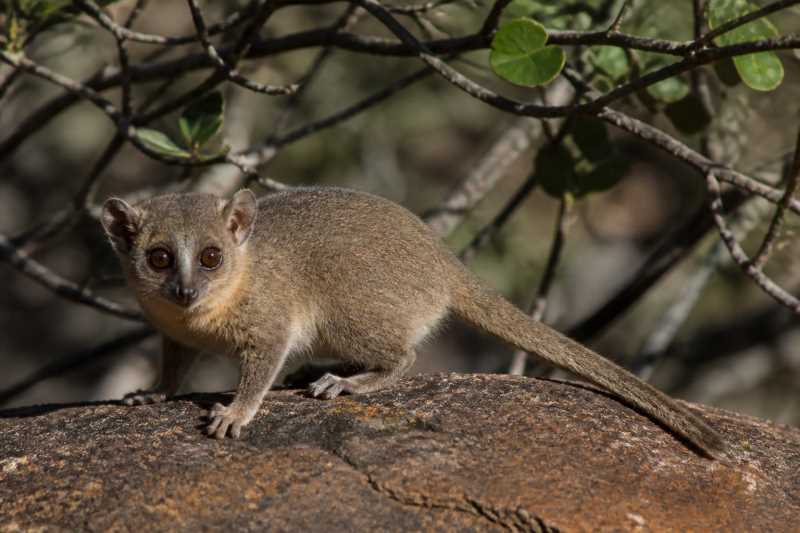
The Gray-brown Mouse Lemur (Microcebus griseorufus) is a small primate endemic to Madagascar. As part of the Cheirogaleidae family, this diminutive lemur is notable for its nocturnal lifestyle and adaptability to various habitats. Its discovery and subsequent studies have provided valuable insights into the diversity and evolutionary history of Madagascar’s unique fauna.
Physical Description
The Gray-brown Mouse Lemur is characterized by its small size, typically measuring around 12 to 14 centimeters in body length, with a tail that extends for an additional 15 to 17 centimeters. Weighing between 40 and 70 grams, this species is one of the tiniest of the lemurs. Its fur is predominantly gray-brown, though it may vary slightly in hue across its range. The belly is often lighter, contrasting with the darker dorsal fur. Notable features include large eyes adapted for nocturnal vision, and small, rounded ears that assist in acute hearing.
Range and Habitat
This lemur species is native to the spiny and dry deciduous forests of southwestern Madagascar. Its range extends across various regions, including the Toliara Province. These environments are characterized by their arid conditions, with sparse vegetation that the lemurs have adapted to for survival. The Gray-brown Mouse Lemur is known to inhabit both primary and secondary forests, demonstrating a remarkable ability to thrive in areas impacted by human activity.
Behavior and Diet
Gray-brown Mouse Lemurs are nocturnal, spending their nights foraging and their days resting in nests made from leaves and twigs. They are solitary creatures but may interact socially during the breeding season. Their diet is omnivorous, consisting of fruits, flowers, nectar, insects, and small vertebrates. This varied diet helps them adapt to the seasonal availability of food resources in their habitat.
Identification Tips (Field Recognition Cues)
Identifying the Gray-brown Mouse Lemur in the wild requires attention to several distinctive features. Key identifiers include:
- Large, reflective eyes: Perfect for their nocturnal lifestyle.
- Tail length: Typically longer than the body, used for balance.
- Coloration: Gray-brown fur with a lighter underside.
- Size: Small and compact body, about the size of a large mouse.
- Vocalizations: High-pitched calls used for communication.
Conservation Status (With Threats and Protections)
The Gray-brown Mouse Lemur is currently listed as "Least Concern" on the IUCN Red List. Despite this status, it faces several threats, primarily habitat destruction due to logging, agriculture, and urban expansion. Additionally, climate change poses long-term risks by altering their natural habitat. Conservation efforts are in place, including habitat protection and restoration projects. Local and international organizations continue to focus on sustainable practices and community involvement to mitigate these threats.
Frequently Asked Questions
Why is this species unique?
The Gray-brown Mouse Lemur is unique due to its adaptability to diverse habitats and its ability to thrive in both primary and secondary forests. Its nocturnal nature and small size make it an intriguing subject for studies on primate behavior and evolution.
What role does it play in its ecosystem?
As an omnivore, the Gray-brown Mouse Lemur plays a crucial role in seed dispersal and pollination, aiding in the maintenance of its forest habitat. Its diet also helps control insect populations.
How can we help protect this species?
Supporting conservation organizations and advocating for sustainable land-use practices are effective ways to protect the Gray-brown Mouse Lemur. Education and awareness campaigns also play a vital role in conservation efforts.
Are there any cultural significances associated with this lemur?
In some regions of Madagascar, lemurs are considered sacred and are integral to local folklore. This cultural reverence can aid in conservation efforts by fostering a sense of stewardship among local communities.
Related posts