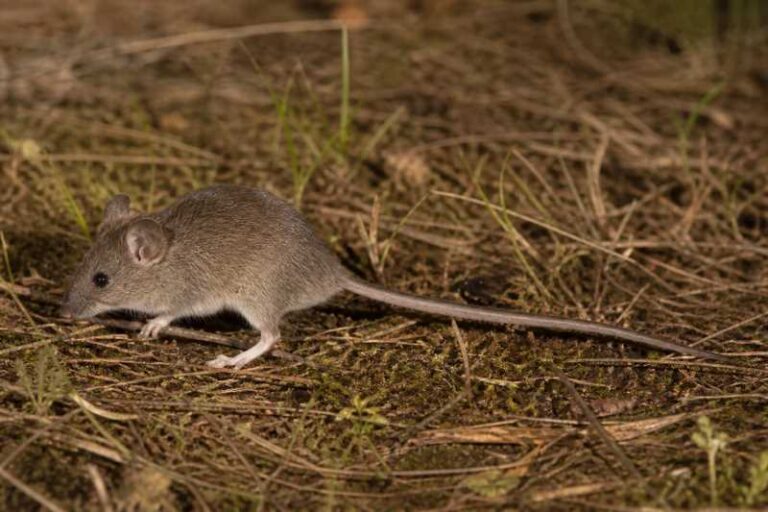
Mexican Agouti (Dasyprocta mexicana): A Comprehensive Guide
Introduction
The Mexican agouti (Dasyprocta mexicana) is a fascinating mammal species that inhabits the lush forests of Mexico. Known for its unique appearance and behaviors, this medium-sized rodent plays a significant role in its ecosystem. This article delves into the life of the Mexican agouti, exploring its physical characteristics, habitat, behavior, and the conservation challenges it faces. By understanding these aspects, we can better appreciate and protect this remarkable species.
Physical Description
The Mexican agouti is a striking creature, easily recognizable by its distinct features. This species typically weighs between 2 to 4 kilograms (4.4 to 8.8 pounds) and measures about 45 to 60 centimeters (18 to 24 inches) in length, excluding its small, almost invisible tail. The agouti’s fur is coarse and varies in color from reddish-brown to dark brown, often with a yellowish tinge. This coloration provides excellent camouflage against the forest floor.
Agoutis have elongated legs relative to their body size, which aids them in swift movement through their dense habitats. Their hind legs are particularly powerful, enabling them to leap considerable distances when threatened by predators. Additionally, their sharp claws are well-adapted for digging and foraging.
One of the most distinctive features of the Mexican agouti is its large, continuously growing incisors, which are essential for gnawing through tough plant material and nuts. These teeth, combined with a robust jaw, make the agouti a formidable forager within its ecosystem.
Range and Habitat
The Mexican agouti is primarily found in the tropical and subtropical regions of Mexico, with its range extending from the eastern parts of the country to the Yucatan Peninsula. These rodents thrive in a variety of forested environments, including lowland rainforests, deciduous forests, and secondary growth areas. They are particularly fond of areas with dense undergrowth, which provides ample cover from predators and abundant food resources.
Agoutis are highly adaptable and can often be found near agricultural lands, where they may venture into plantations to forage for food. However, this adaptability also brings them into conflict with humans, as they are sometimes considered pests in these areas.
Behavior and Diet
Mexican agoutis are diurnal creatures, meaning they are active during the day. They typically exhibit solitary behavior, although they may be seen in pairs, particularly during the breeding season. Agoutis are known for their remarkable agility and speed, which they use to evade predators such as eagles, jaguars, and large snakes.
The diet of the Mexican agouti is primarily herbivorous, consisting of a wide variety of fruits, nuts, seeds, and leaves. They are particularly fond of hard-shelled nuts, which they crack open with their powerful incisors. Agoutis play a vital role in their ecosystem as seed dispersers, as they often bury nuts and seeds for later consumption, inadvertently aiding in forest regeneration.
Identification Tips (Field Recognition Cues)
Identifying the Mexican agouti in the wild can be a rewarding experience for wildlife enthusiasts. Here are some tips to help you recognize this species:
- Size and Shape: Look for a medium-sized rodent with a compact body and relatively long legs.
- Fur Color: Note the reddish-brown to dark brown fur with a possible yellowish tint.
- Behavior: Observe their quick, bounding movements and solitary behavior.
- Habitat: Focus on forested areas with dense undergrowth or near agricultural lands.
- Sound: Listen for their vocalizations, which include a series of grunts and squeaks.
Conservation Status (With Threats and Protections)
The Mexican agouti is currently classified as Near Threatened on the IUCN Red List. Several factors contribute to this status, including habitat loss due to deforestation and agricultural expansion. Additionally, hunting pressures have increased as local communities target agoutis for their meat.
Conservation efforts are underway to protect the Mexican agouti’s habitat and promote sustainable hunting practices. Protected areas and national parks play a crucial role in preserving the natural environments where agoutis thrive. Public awareness campaigns and community engagement are also vital in ensuring the long-term survival of this species.
Frequently Asked Questions
- What is the lifespan of a Mexican agouti?
Mexican agoutis typically live for about 10 to 15 years in the wild, although their lifespan can be shorter due to predation and environmental factors. In captivity, they may live longer, given a safe environment free from predators.
- Are Mexican agoutis social animals?
Mexican agoutis are generally solitary creatures, although they can be seen in pairs during the breeding season. They are territorial and use scent marking to establish their home range, which they defend from other agoutis.
- How do Mexican agoutis contribute to their ecosystem?
Agoutis are essential seed dispersers in their habitats. By burying nuts and seeds for later consumption, they inadvertently aid in forest regeneration, promoting biodiversity and maintaining healthy ecosystems.
- Can Mexican agoutis be kept as pets?
While some people may consider keeping agoutis as pets, it is not recommended. These wild animals have specific habitat and dietary needs that can be challenging to meet in a domestic setting. Additionally, their natural behaviors, such as gnawing and digging, can be destructive in a home environment.
- What are the main threats to the Mexican agouti?
The primary threats to the Mexican agouti include habitat destruction due to deforestation, agricultural expansion, and hunting pressures. Conservation efforts focus on habitat protection and promoting sustainable hunting practices to mitigate these threats.
Related posts