Greater Bilby (Macrotis lagotis): A Comprehensive Guide
Introduction
The Greater Bilby, scientifically known as Macrotis lagotis, is a fascinating and unique marsupial native to Australia. Often referred to as the "Easter Bilby" in cultural narratives, this nocturnal creature is a symbol of conservation efforts in the region. Known for its long ears and distinctive snout, the Greater Bilby plays a vital role in the ecosystem. This article delves into the intriguing aspects of the Greater Bilby’s life, including its physical characteristics, habitat, behavior, and the pressing conservation issues it faces.
Physical Description
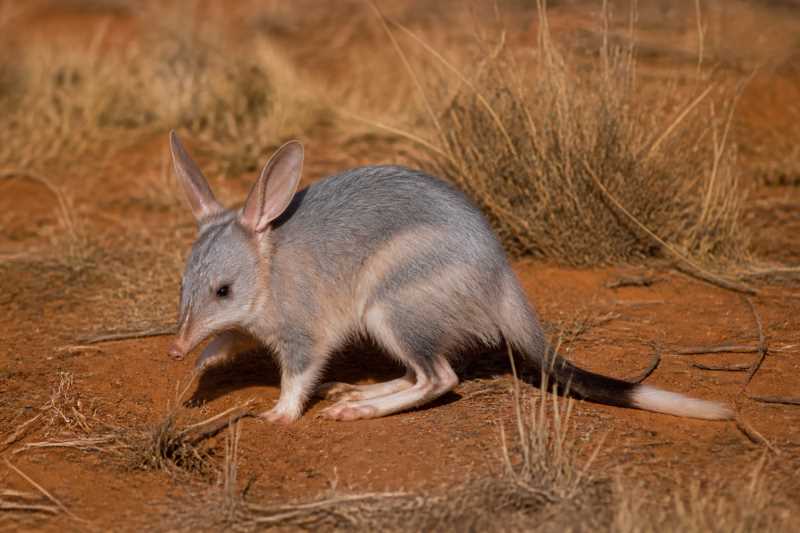
The Greater Bilby is a medium-sized marsupial with a distinctive appearance. Adult bilbies weigh between 1 and 2.5 kilograms and measure about 29–55 centimeters in body length, with an additional tail length of 20–29 centimeters. One of the most notable features of the Greater Bilby is its large, rabbit-like ears which aid in thermoregulation and acute hearing. Its fur is soft, silky, and predominantly blue-grey with white underparts, providing excellent camouflage in its arid habitat. The bilby’s hind legs are adapted for hopping, much like a kangaroo, while its forelimbs are equipped with strong claws for digging.
Range and Habitat
Historically, the Greater Bilby’s range covered approximately 70% of mainland Australia. However, due to various threats, they are now found in fragmented populations across the arid and semi-arid regions of Western Australia, the Northern Territory, and Queensland. The bilby prefers habitats that offer loose, sandy soils for burrowing, such as spinifex grasslands, open woodlands, and shrublands. These environments provide both shelter and a rich supply of food sources, crucial for the bilby’s survival.
Behavior and Diet
Greater Bilbies are solitary creatures, primarily active during the night (nocturnal). They are expert diggers, creating extensive burrow systems that can be up to three meters long and two meters deep. These burrows provide shelter from predators and extreme temperatures. Bilbies are omnivorous, with a diet that includes insects, seeds, bulbs, fruit, fungi, and small animals. Their strong sense of smell helps them locate food underground, while their sharp claws aid in excavation.
Identification Tips (Field Recognition Cues)
Identifying a Greater Bilby in the wild requires attention to several distinguishing features:
- Ears: Large, rabbit-like ears that are longer than the bilby’s head.
- Tail: A long, black tail with a white tip that is often held upright.
- Fur: Soft, silky, and predominantly grey with a white underbelly.
- Tracks: Bilby tracks are distinctive, with long hind foot impressions and forefeet showing digging claws.
- Burrows: Look for large, spiral-shaped burrows in sandy soils.
Conservation Status (With Threats and Protections)
The Greater Bilby is currently listed as vulnerable under the IUCN Red List. The decline in their population is attributed to several factors:
- Habitat Loss: Agricultural expansion and land clearing have significantly reduced their natural habitat.
- Predation: Introduced species such as foxes and feral cats pose significant threats.
- Competition: The introduction of non-native herbivores like rabbits competes with bilbies for food.
Conservation efforts are ongoing, with programs focused on habitat restoration, predator control, and captive breeding followed by reintroduction into the wild. National Bilby Day, celebrated annually in Australia, raises awareness and funds for these efforts.
Frequently Asked Questions
What is the lifespan of a Greater Bilby?
Greater Bilbies can live up to 7 years in the wild. However, in captivity, where they are safe from predators and have ample food, they can live slightly longer.
Why is the Greater Bilby important to the ecosystem?
Greater Bilbies contribute to soil health through their digging activities, which aid in seed dispersal and aeration of the soil. This behavior helps maintain a balanced ecosystem.
How can I help in the conservation of Greater Bilbies?
You can support conservation efforts by donating to organizations focused on bilby conservation, participating in awareness campaigns, or volunteering for habitat restoration projects.
Are Greater Bilbies and Lesser Bilbies the same?
No, they are different species. The Lesser Bilby (Macrotis leucura) is believed to be extinct, while the Greater Bilby is still extant but vulnerable.
What is the significance of the Easter Bilby?
The "Easter Bilby" is an Australian cultural symbol used to raise awareness about the conservation of bilbies. It serves as an alternative to the Easter Bunny, promoting native wildlife.
Related posts