Southern Barred Bandicoot: A Comprehensive Guide
Introduction
The Southern Barred Bandicoot, scientifically known as Perameles notina, is a small marsupial native to Australia. This intriguing species is part of the Peramelidae family, which comprises various other bandicoots. Known for its distinctive appearance and nocturnal habits, the Southern Barred Bandicoot plays a crucial role in its ecosystem as a soil engineer and a consumer of invertebrates. This comprehensive guide delves into the physical characteristics, habitat, behavior, and conservation status of this fascinating species.
Physical Description
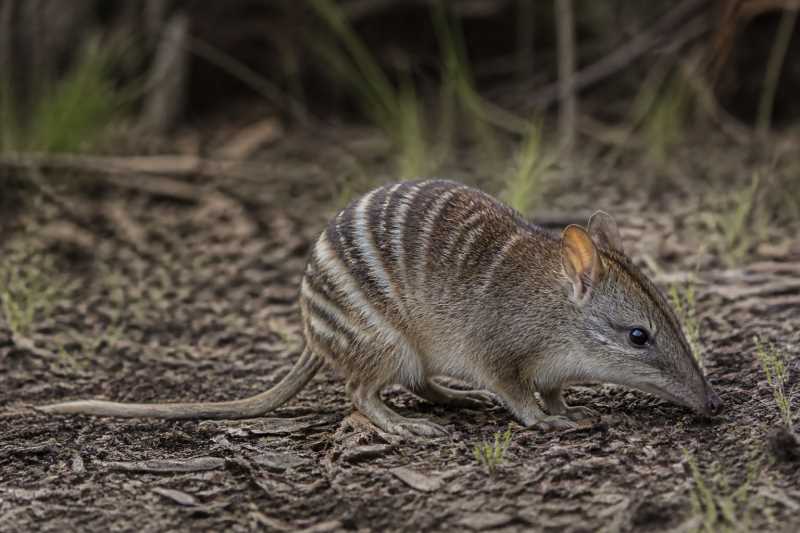
The Southern Barred Bandicoot is a small, terrestrial marsupial with a body length ranging from 300 to 400 mm and a tail length of 100 to 150 mm. Adult individuals typically weigh between 500 and 1,500 grams. Their fur is predominantly grey-brown with distinct black bars across the rump, providing camouflage in their natural habitat. The bandicoot’s elongated snout and sharp claws are adaptations that facilitate their foraging habits. Their hind limbs are longer than the forelimbs, which aids in their characteristic bounding gait.
Range and Habitat
Historically, the Southern Barred Bandicoot was widespread across southeastern Australia. However, due to habitat loss and other anthropogenic factors, their range has significantly diminished. Today, they are predominantly found in fragmented populations across Victoria and South Australia. Their preferred habitats include open woodlands, heathlands, and grasslands with dense undergrowth, which offer ample cover and foraging opportunities.
Southern Barred Bandicoots are also known to inhabit agricultural lands, especially where native vegetation persists or regeneration efforts are underway. They prefer areas with loose, well-drained soils that allow them to dig for food easily. The availability of cover is crucial for their survival, as it offers protection from predators.
Behavior and Diet
Southern Barred Bandicoots are solitary and nocturnal creatures. They spend the daylight hours resting in shallow nests made from grass and leaves, emerging at night to forage. Their diet is omnivorous, comprising insects, earthworms, fungi, roots, seeds, and fruits. Their long snouts and sharp claws are well adapted for digging and uncovering food.
The bandicoot’s foraging behavior contributes to soil health and aeration, making them essential ecosystem engineers. They have a keen sense of smell, which they use to locate food underground. During foraging, they create small conical holes, which are a distinctive sign of their presence.
Identification Tips
Identifying the Southern Barred Bandicoot in the field can be challenging due to its nocturnal and elusive nature. However, several key characteristics can aid in their identification:
- Distinctive Bars: The black bars across their rump are a unique feature that sets them apart from other bandicoot species.
- Size and Shape: Their small size, elongated snout, and short tail are distinguishing features.
- Foraging Holes: Look for the small, conical holes they leave behind when foraging.
- Nocturnal Activity: They are most active at night, so sightings are more likely during evening or early morning hours.
Conservation Status
The Southern Barred Bandicoot is currently listed as Near Threatened on the IUCN Red List. The primary threats to their survival include habitat destruction due to urbanization and agricultural expansion, predation by introduced species such as foxes and cats, and competition with other native and non-native species.
Conservation efforts are underway to protect this species, including habitat restoration, predator control programs, and breeding programs aimed at increasing population numbers. Protected areas and wildlife corridors are being established to enhance habitat connectivity and ensure genetic diversity.
Frequently Asked Questions
1. What is the Southern Barred Bandicoot’s role in the ecosystem?
The Southern Barred Bandicoot is an essential ecosystem engineer. Through their foraging activities, they aerate the soil, promoting better water infiltration and nutrient cycling. This activity supports plant growth and benefits other wildlife species.
2. How can I help conserve the Southern Barred Bandicoot?
Individuals can contribute to conservation efforts by supporting local wildlife organizations, participating in habitat restoration projects, and advocating for policies that protect native species and their habitats. Reducing the use of pesticides and keeping domestic pets indoors at night can also benefit local wildlife.
3. Are Southern Barred Bandicoots dangerous to humans?
No, Southern Barred Bandicoots are not dangerous to humans. They are shy and elusive animals that pose no threat. They play a vital ecological role and should be respected and protected.
4. Why are Southern Barred Bandicoots threatened by introduced species?
Introduced species such as foxes and cats prey on Southern Barred Bandicoots, significantly reducing their populations. These predators can drastically alter the balance of ecosystems, leading to a decline in native species.
5. Where can I see Southern Barred Bandicoots in the wild?
While they are elusive, you might spot Southern Barred Bandicoots in protected areas or regions where conservation efforts are active in Victoria and South Australia. It’s best to look for signs of their presence, such as foraging holes, during guided nature walks or wildlife tours.
Related posts