Chiapan Shrew (Sorex chiapensis): A Comprehensive Guide
Introduction
The Chiapan Shrew, scientifically known as Sorex chiapensis, is a lesser-known but fascinating mammal species that inhabits the lush landscapes of southern Mexico. As a member of the Soricidae family, the Chiapan Shrew is part of a diverse group of small, insectivorous mammals that play a crucial role in their ecosystems. Despite their ecological importance, these shrews are often overlooked in conservation efforts, leading to challenges in their preservation. In this article, we explore the unique characteristics, habitat, behavior, and conservation status of the Chiapan Shrew, providing valuable insights into this elusive species.
Physical Description
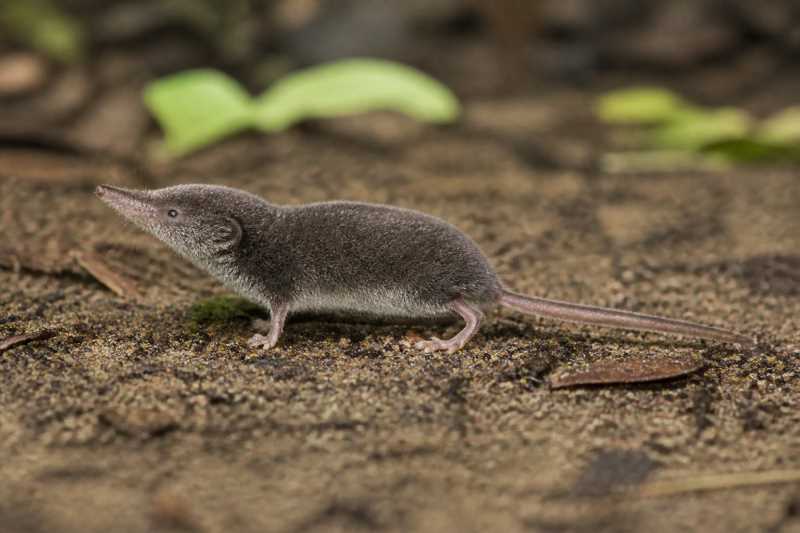
The Chiapan Shrew is a small mammal, typically measuring between 8 to 10 centimeters in length, with an additional tail length of around 4 to 6 centimeters. It weighs approximately 5 to 8 grams, making it a lightweight contender in the animal kingdom. The shrew’s fur is predominantly dark brown, with a slightly paler underbelly, providing effective camouflage in its natural habitat. Its elongated snout and small, beady eyes are characteristic features of the species, aiding in foraging and navigation through dense underbrush.
The Chiapan Shrew possesses sharp, pointed teeth, which are essential for its insectivorous diet. Unlike rodents, shrews have a unique dental formula, with a lack of prominent incisors and the presence of uniformly sharp teeth adapted for consuming small invertebrates. Their limbs are relatively short, but their claws are adept at digging and burrowing into soft soil.
Range and Habitat
The Chiapan Shrew is endemic to the highland regions of Chiapas, a state in southern Mexico. Its distribution is limited to specific montane forest areas characterized by high humidity and dense vegetation. These forests provide the ideal environment for the shrew, offering abundant food sources and ample cover from predators.
Within these ecosystems, the Chiapan Shrew favors moist habitats, such as cloud forests and oak-pine woodlands. These areas are rich in leaf litter and decomposing organic matter, which support a diverse community of insects and other invertebrates. The shrew’s reliance on these specific habitats makes it particularly vulnerable to environmental changes and habitat destruction.
Behavior and Diet
The Chiapan Shrew is primarily nocturnal, engaging in most of its activities under the cover of darkness. This behavior helps it avoid diurnal predators and reduces competition for resources. Shrews are known for their high metabolic rates, necessitating frequent feeding throughout the night.
Dietarily, the Chiapan Shrew is an insectivore, feeding on a wide variety of small invertebrates. Its diet includes insects, spiders, earthworms, and other soft-bodied creatures. The shrew uses its keen sense of smell and sensitive whiskers to detect prey hidden beneath the leaf litter. Once located, the shrew quickly captures and consumes its prey using its sharp teeth.
Identification Tips
Identifying the Chiapan Shrew in the field can be challenging due to its small size and elusive nature. However, several key characteristics can aid in recognition:
- Size and Coloration: The small size and dark brown coloration with a paler underbelly are distinguishing features.
- Elongated Snout: The shrew’s elongated snout is a notable feature, aiding in prey detection.
- Nocturnal Activity: Observations are more likely during the night when the shrew is active.
- Habitat Preference: Look for the Chiapan Shrew in moist montane forests with abundant leaf litter.
Conservation Status
The Chiapan Shrew is currently classified as "Data Deficient" by the International Union for Conservation of Nature (IUCN). This designation highlights the need for more comprehensive studies to determine the species’ population size and distribution. Despite the lack of detailed data, it is known that habitat loss and degradation pose significant threats to the Chiapan Shrew.
Deforestation, agricultural expansion, and urban development in Chiapas have led to the fragmentation of the shrew’s habitat. These activities not only reduce the available living space but also disrupt the delicate ecological balance necessary for the shrew’s survival.
Conservation efforts must focus on protecting the remaining montane forests and promoting sustainable land-use practices. Additionally, further research is essential to better understand the shrew’s ecology and inform effective conservation strategies.
Frequently Asked Questions
What is the Chiapan Shrew’s preferred habitat?
The Chiapan Shrew prefers moist, montane forests such as cloud forests and oak-pine woodlands. These environments provide abundant food sources and cover.
How does the Chiapan Shrew find its food?
The Chiapan Shrew uses its keen sense of smell and sensitive whiskers to locate prey beneath the leaf litter, primarily feeding on insects and other invertebrates.
What are the main threats to the Chiapan Shrew?
The main threats to the Chiapan Shrew include habitat loss due to deforestation, agricultural expansion, and urban development in its native range.
Is the Chiapan Shrew endangered?
Currently, the Chiapan Shrew is classified as "Data Deficient" by the IUCN, indicating a lack of sufficient data to assess its risk of extinction.
How can we help conserve the Chiapan Shrew?
Conservation efforts should focus on protecting its habitat, promoting sustainable land use, and conducting research to better understand the species’ ecology.
Related posts