Introduction
The Arctic shrew, scientifically known as Sorex arcticus, is a small, fascinating mammal that inhabits some of the coldest regions of North America. Despite its diminutive size, this shrew plays a significant ecological role in its environment. In this article, we will explore the various aspects of the Arctic shrew’s life, including its physical characteristics, habitat preferences, behaviors, and more. Understanding this creature not only sheds light on its ecological importance but also emphasizes the need for its conservation.
Physical Description
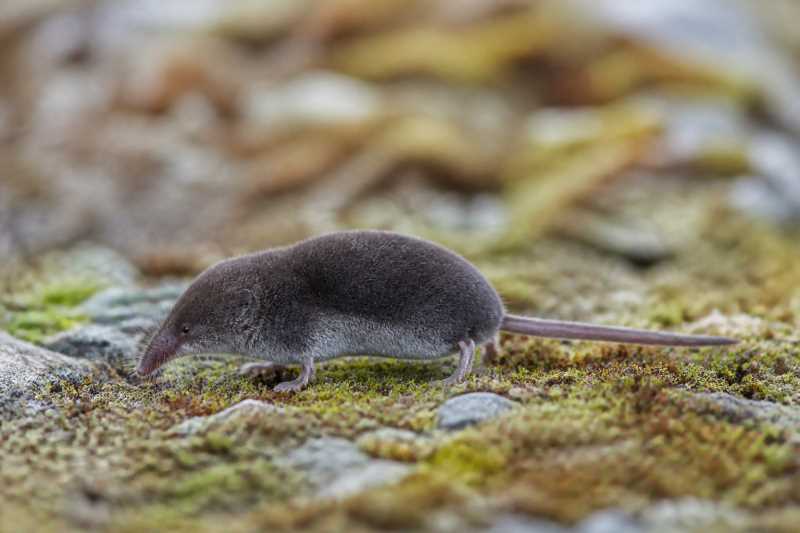
The Arctic shrew is a small mammal, typically measuring around 10 to 13 centimeters in total length, including its tail, which accounts for about half of its body length. It weighs between 5 to 10 grams. This shrew is easily recognizable by its tricolored fur, which consists of dark brown or black on the back, a lighter brown on the sides, and a grayish-white underbelly. This distinct coloration helps it blend into its environment, providing camouflage against predators. The Arctic shrew has a pointed snout and small eyes, typical features of shrews, which assist it in navigating its environment and foraging for food.
Range and Habitat
The Arctic shrew is primarily found in North America, ranging from the northern United States through Canada and into Alaska. Its preferred habitats are moist areas with dense vegetation, such as marshes, meadows, and the edges of forests. These environments provide ample cover and food supply necessary for their survival. The shrew’s ability to thrive in such varied landscapes makes it a versatile and adaptable species.
Behavior and Diet
Arctic shrews are known for their high metabolism and, as a result, have voracious appetites. They primarily feed on insects, worms, and other small invertebrates, which they hunt using their keen sense of smell. Their diet can also include small vertebrates and plant matter, depending on availability. These shrews are mainly nocturnal, spending their nights foraging and their days resting in burrows or under dense vegetation.
Behaviorally, Arctic shrews are solitary creatures, except during the breeding season. They are also territorial, often engaging in aggressive interactions with other shrews to defend their space and food sources.
Identification Tips (Field Recognition Cues)
Identifying an Arctic shrew in the field can be challenging due to its small size and elusive nature. However, there are several cues that can aid in recognition:
- Size and Shape: Look for a small, mouse-like mammal with a pointed snout and a relatively long tail.
- Coloration: Note the distinctive tricolored fur pattern, with darker fur on the back and lighter fur on the sides and underbelly.
- Habitat: If you are in a moist, densely vegetated area, this increases the likelihood of an Arctic shrew presence.
- Activity: Watch for signs of nocturnal foraging, such as rustling in the underbrush during the evening or night.
Conservation Status (With Threats and Protections)
Currently, the Arctic shrew is not considered endangered or threatened, and it is classified as a species of Least Concern by the International Union for Conservation of Nature (IUCN). However, like many species, it faces potential threats from habitat loss and climate change. As human activities continue to alter landscapes, the delicate ecosystems that Arctic shrews depend on may be at risk.
Conservation efforts are important to ensure the continued survival of the Arctic shrew. Protecting wetland habitats and preserving natural vegetation are crucial steps in maintaining healthy populations of this species. Monitoring and research are also vital to understanding the impacts of environmental changes on Arctic shrew populations.
Frequently Asked Questions
1. What is the lifespan of an Arctic shrew? Arctic shrews typically have a lifespan of about 18 months in the wild. Their high metabolism and predation pressure contribute to their relatively short lifespan.
2. How do Arctic shrews survive the cold climates? Arctic shrews have adapted to cold climates through their dense fur, which provides insulation, and their ability to build and utilize burrows for additional warmth and protection from the elements.
3. Are Arctic shrews social animals? No, Arctic shrews are generally solitary, except during the breeding season when males and females interact briefly. They maintain territories and avoid other shrews outside of mating periods.
4. What sounds do Arctic shrews make? Arctic shrews are known to produce high-pitched squeaks and clicks, which are thought to be used for communication and echolocation in the dark.
5. How can I help in the conservation of Arctic shrews? Supporting wetland conservation initiatives and being mindful of land development impacts can help protect the habitats essential for Arctic shrews. Educating others about the importance of biodiversity and ecosystem preservation also contributes to conservation efforts.
Related posts