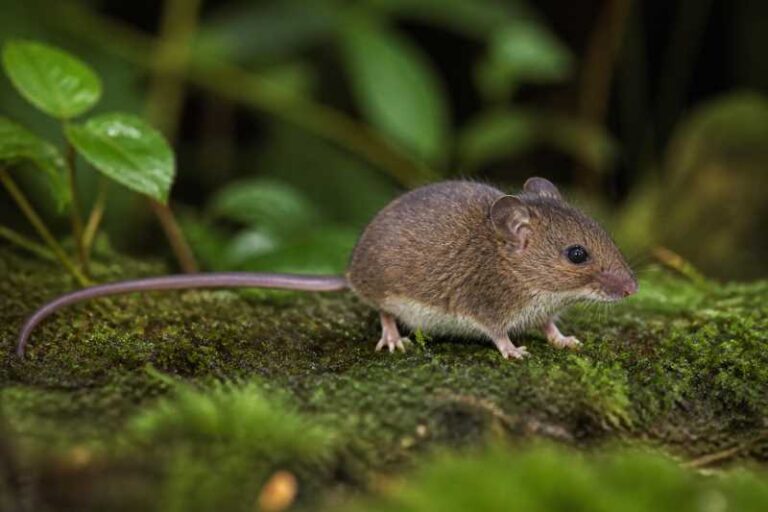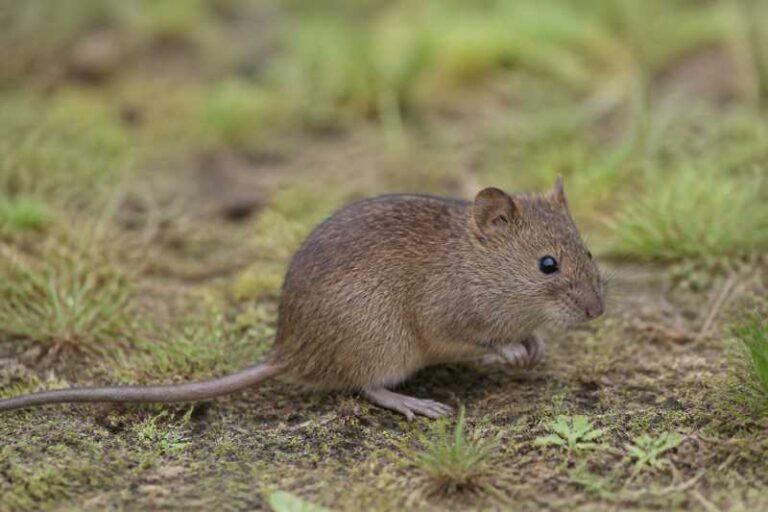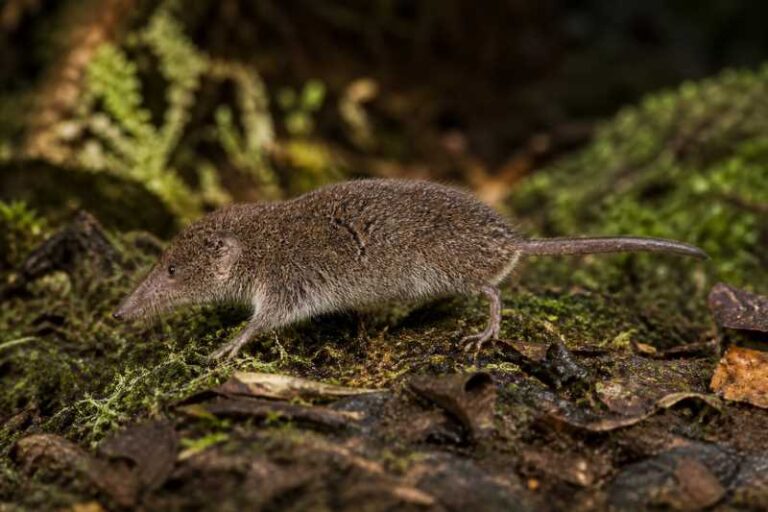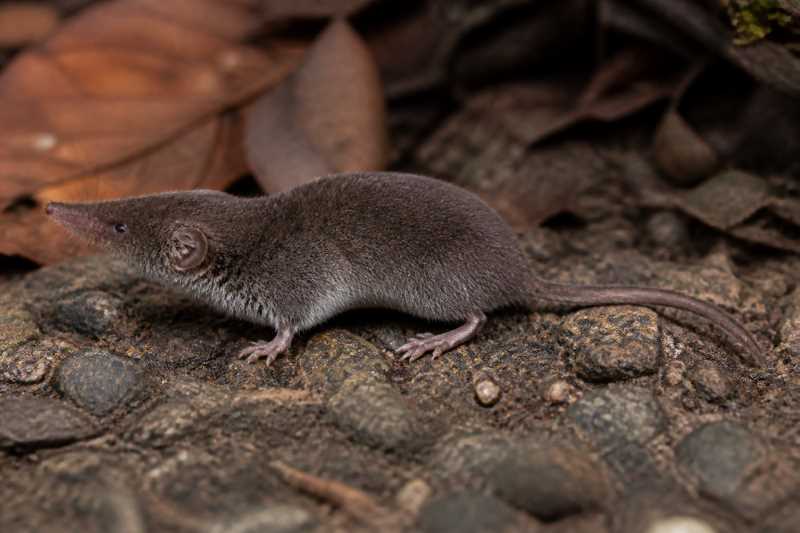
Typical Sulawesi White-toothed Shrew (Crocidura normalis)
Introduction
The Typical Sulawesi White-toothed Shrew, scientifically known as Crocidura normalis, is a fascinating small mammal endemic to the island of Sulawesi in Indonesia. This species belongs to the Soricidae family, which encompasses a wide array of shrew species scattered across various parts of the world. The Typical Sulawesi White-toothed Shrew is particularly intriguing due to its adaptation to the unique environmental conditions of Sulawesi. This article delves into the physical characteristics, habitat, behavior, and the ecological significance of this lesser-known shrew.
Physical Description
The Typical Sulawesi White-toothed Shrew is a small mammal characterized by its slender body and pointed snout. The average body length of this shrew ranges from 60 to 80 millimeters, with a tail that extends an additional 50 to 70 millimeters, making the tail slightly shorter than the body. It weighs approximately 10 to 15 grams, which is typical for shrews of this genus.
The fur of the Crocidura normalis is predominantly a dark grayish-brown on the dorsal side, with a lighter, almost whitish hue on the ventral side. This coloration provides an effective camouflage in the dense, shadowy undergrowth of Sulawesi’s forests. As its name implies, the species has white teeth, a characteristic feature of the Crocidura genus, distinguishing it from other shrew families.
Range and Habitat
The Typical Sulawesi White-toothed Shrew is endemic to Sulawesi, an island known for its rich biodiversity and a high degree of endemism. The species is primarily found in lowland and montane forests, thriving in humid and dense vegetation. These shrews are adapted to the tropical climates of Sulawesi, preferring environments where they can easily forage for food among the leaf litter and underbrush.
Sulawesi’s diverse topography, ranging from coastal areas to mountainous regions, offers various microhabitats that support the needs of the Crocidura normalis. They are most commonly found in primary forests but can also occupy secondary forests, demonstrating some level of adaptability to habitat changes.
Behavior and Diet
The Typical Sulawesi White-toothed Shrew is primarily nocturnal and insectivorous. Its activity peaks during the night, when it forages for insects, worms, and other small invertebrates. The shrew’s keen sense of smell and hearing are crucial for locating prey in the dark, dense forest environment.
These shrews are solitary creatures, with each individual maintaining its own territory. They communicate through high-pitched squeaks and rely on olfactory cues to mark their territorial boundaries. The shrew’s metabolism is exceptionally high, necessitating frequent feeding to sustain its energy levels.
Identification Tips (Field Recognition Cues)
Identifying the Typical Sulawesi White-toothed Shrew in the field can be challenging due to its elusive nature and resemblance to other shrew species. However, certain characteristics can aid in its identification:
- Size and Proportions: Look for a small mammal with a body length of 60-80 mm and a tail shorter than the body.
- Fur Coloration: Note the dark grayish-brown dorsal fur contrasted with a lighter ventral side.
- Teeth: Although difficult to observe in the wild, the presence of white teeth is a distinctive feature.
- Behavior: Nocturnal activity and solitary behavior can be indicative of this species.
Conservation Status (with Threats and Protections)
The conservation status of the Typical Sulawesi White-toothed Shrew is currently not well-documented but is likely affected by the broader environmental threats facing Sulawesi’s biodiversity. Habitat loss due to deforestation, agriculture, and human encroachment poses significant risks to the species.
Efforts to conserve Sulawesi’s rich biodiversity indirectly benefit the Crocidura normalis. Protected areas and national parks on the island serve as vital refuges. Continued research and monitoring are necessary to assess the population status and implement specific conservation strategies if needed.
Frequently Asked Questions
How can I differentiate a Typical Sulawesi White-toothed Shrew from other shrews?
The Typical Sulawesi White-toothed Shrew can be distinguished by its small size, dark grayish-brown fur with a lighter underside, and solitary, nocturnal behavior. Its white teeth are a key characteristic, although challenging to observe in the wild.
What is the primary diet of the Typical Sulawesi White-toothed Shrew?
This shrew is primarily insectivorous, feeding on insects, worms, and other small invertebrates. It relies on a keen sense of smell and hearing to locate prey during its nocturnal foraging activities.
Where can the Typical Sulawesi White-toothed Shrew be found?
The Typical Sulawesi White-toothed Shrew is endemic to Sulawesi, Indonesia, and is primarily found in lowland and montane forests. It prefers dense, humid environments with abundant undergrowth.
What are the main threats to the Typical Sulawesi White-toothed Shrew?
The main threats to this species include habitat loss due to deforestation, agricultural expansion, and human encroachment. Conservation efforts focusing on Sulawesi’s biodiversity offer some protection.
Are there any conservation efforts in place to protect the Typical Sulawesi White-toothed Shrew?
While specific conservation efforts for the Crocidura normalis are limited, the establishment of protected areas and national parks on Sulawesi aids in safeguarding its habitat. Continued research is needed to develop targeted conservation strategies.
Related posts