Rothschild’s Zokor (Eospalax rothschildi): A Comprehensive Guide
Introduction
Rothschild’s Zokor (Eospalax rothschildi) is a fascinating mammal species belonging to the family Spalacidae. This subterranean rodent is primarily found in China and is renowned for its unique adaptations to a life spent mostly underground. Known for its distinctive physical characteristics and behaviors, Rothschild’s Zokor plays a significant role in the ecosystems it inhabits, contributing to soil aeration and nutrient cycling. This article delves into various aspects of Rothschild’s Zokor, including its physical description, range and habitat, behavior and diet, identification tips, and conservation status.
Physical Description
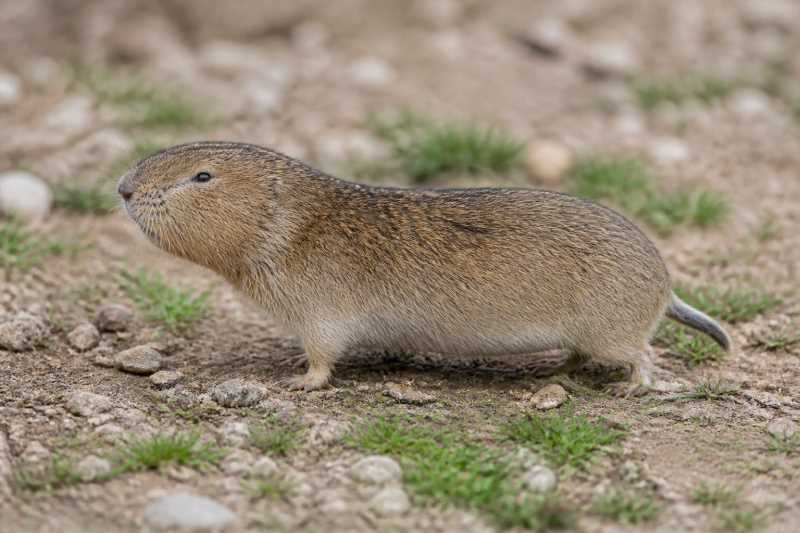
Rothschild’s Zokor is a robust, mole-like rodent characterized by its cylindrical body, short limbs, and relatively large head. Adults typically measure between 15 to 20 centimeters in length, excluding the tail, which is usually a mere 2 to 3 centimeters long. The average weight of these zokors ranges from 150 to 250 grams. Their fur is dense and soft, usually a shade of grayish-brown or dark brown, which provides excellent camouflage in their underground habitats.
One of the most distinctive features of Rothschild’s Zokor is its shovel-like forelimbs, equipped with powerful claws designed for digging. Their eyes are small and often covered by skin, reflecting their predominantly subterranean lifestyle. Unlike many other rodents, Rothschild’s Zokor has no external ears; instead, they have small openings that help minimize soil intrusion during digging. Their incisors are large and protrude from the mouth, a common trait among burrowing rodents, aiding in both digging and feeding.
Range and Habitat
Rothschild’s Zokor is endemic to parts of northwestern China, specifically within the provinces of Gansu, Qinghai, and Ningxia. These zokors are typically found at elevations ranging from 2,000 to 3,500 meters, where they inhabit open grasslands, meadows, and sometimes agricultural lands.
The habitat of Rothschild’s Zokor is characterized by loose, well-drained soils that facilitate their burrowing lifestyle. They are known to construct extensive burrow systems that can cover significant ground areas. These burrows serve multiple purposes, including protection from predators, a place to store food, and a microhabitat that maintains stable temperature and humidity levels.
Behavior and Diet
Rothschild’s Zokor is primarily a solitary creature, with individuals maintaining their own burrow systems. They are most active during the spring and autumn months, as burrowing becomes more challenging in frozen winter soils or during the dry summer periods.
Their diet consists mainly of underground plant parts, such as roots, tubers, and bulbs. They are proficient foragers and often create food caches within their burrows to sustain themselves during harsher conditions when food is scarce. Rothschild’s Zokor plays a crucial role in their ecosystem by aerating the soil and promoting nutrient cycling through their digging activities.
Identification Tips (Field Recognition Cues)
Identifying Rothschild’s Zokor in the field can be challenging due to their subterranean lifestyle. However, certain cues can aid in their recognition:
- Burrow Entrances: Look for characteristic mounds of freshly dug soil, which indicate active zokor burrows.
- Soil Texture: The presence of finely tilled soil around burrow entrances is a sign of their digging activity.
- Vegetation Patterns: Areas with patchy vegetation or signs of plant disturbance can hint at zokor presence.
- Tracks and Claw Marks: Though rare, you might find tracks or claw marks near burrow entrances.
Conservation Status (With Threats and Protections)
Rothschild’s Zokor is currently listed as Least Concern on the IUCN Red List. However, several factors could potentially threaten their populations in the future. Habitat degradation due to agricultural expansion and land development poses a significant threat, as it leads to the loss of suitable habitats and burrowing areas.
Moreover, in some regions, zokors are considered pests due to their burrowing activities that can damage crops and infrastructure. This perception has led to control measures that can negatively impact their populations. Despite these threats, Rothschild’s Zokor is not currently subject to any specific conservation measures. However, continued monitoring and habitat protection are essential to ensure their long-term survival.
Frequently Asked Questions
What adaptations do Rothschild’s Zokor have for a subterranean lifestyle?
Rothschild’s Zokor has several adaptations for living underground, including powerful forelimbs for digging, small eyes covered by skin, and an absence of external ears to prevent soil intrusion. Their large incisors help them excavate soil and access underground plant materials.
How does Rothschild’s Zokor contribute to the ecosystem?
Rothschild’s Zokor plays a vital role in their ecosystem by aerating the soil through their burrowing activities. This process helps in nutrient cycling and promotes plant growth, benefiting the overall health of the habitat.
Are Rothschild’s Zokors social animals?
No, Rothschild’s Zokors are primarily solitary animals. Each individual maintains its own burrow system, and interactions with other zokors are generally limited to the breeding season.
What is the main diet of Rothschild’s Zokor?
Their diet mainly consists of underground plant parts such as roots, tubers, and bulbs. They are adept at foraging and store food within their burrows to ensure a stable food supply.
What are the main threats to Rothschild’s Zokor populations?
The primary threats to Rothschild’s Zokor include habitat degradation due to agricultural expansion and being perceived as pests, leading to control measures. These factors can negatively impact their populations if not managed properly.
Related posts