Nyika African Climbing Mouse: A Comprehensive Guide
Introduction
The Nyika African Climbing Mouse, scientifically known as Poemys nyikae, is a fascinating yet lesser-known species of rodent that inhabits the African continent. This small mammal belongs to the family Muridae and is known for its agile climbing abilities and unique ecological niche. Despite its elusive nature, the Nyika African Climbing Mouse plays a crucial role in its ecosystem, contributing to seed dispersal and serving as prey for various predators. This article delves into the intricate details of this species, covering its physical characteristics, habitat, diet, behavior, conservation status, and more.
Physical Description
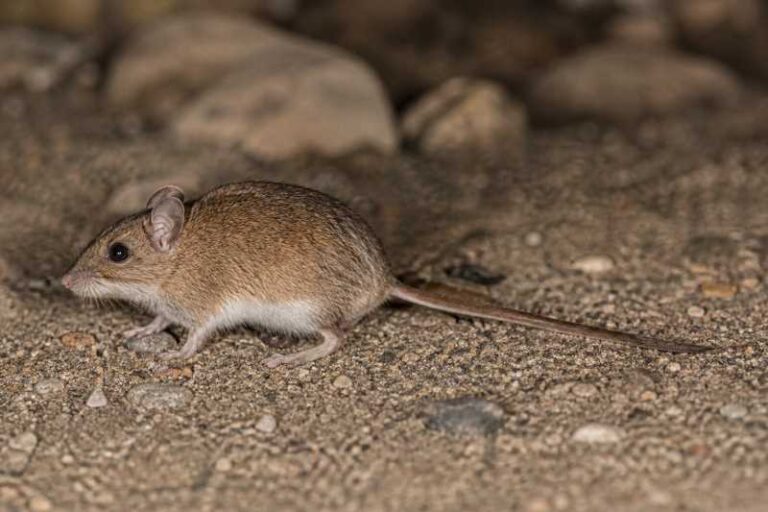
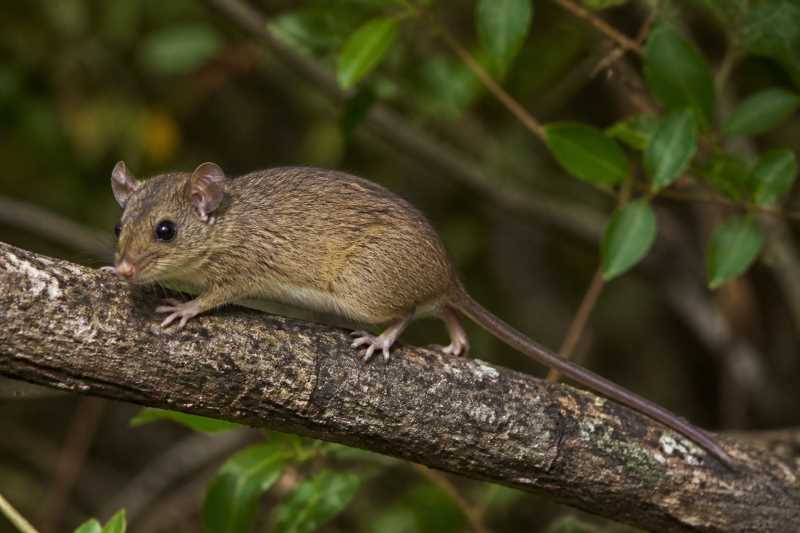
The Nyika African Climbing Mouse is a small rodent, typically measuring between 10 to 15 centimeters in body length, with a tail that often matches or slightly exceeds its body length. This species exhibits a slender, elongated body well-suited for climbing. The fur is generally soft and dense, varying in color from a grayish-brown to a more pronounced reddish-brown, providing excellent camouflage among the trees and shrubs of its habitat.
Its large, prominent eyes and rounded ears are adaptations for nocturnal activity, allowing it to navigate and forage effectively in low-light conditions. The whiskers are long and highly sensitive, aiding in spatial awareness and tactile exploration. The limbs are equipped with sharp claws, essential for gripping branches and climbing.
Range and Habitat
The Nyika African Climbing Mouse is predominantly found in the Nyika Plateau region, which spans parts of Malawi and Zambia. This area is characterized by montane grasslands, mixed forests, and shrublands. The species thrives in these environments due to the abundance of food sources and the ample cover provided by dense vegetation.
The Nyika Plateau is a biodiversity hotspot, supporting a wide range of flora and fauna. The climbing mouse’s preference for elevated and densely vegetated areas makes it somewhat isolated, limiting its distribution to specific ecological zones within the plateau.
Behavior and Diet
Primarily nocturnal, the Nyika African Climbing Mouse is most active during the night. It exhibits arboreal tendencies, often found scurrying among the branches of trees and shrubs in search of food. Its diet is omnivorous, consisting of seeds, fruits, insects, and occasionally small invertebrates. This varied diet not only sustains the mouse but also plays a role in seed dispersion, aiding in the regeneration of its habitat.
Socially, the Nyika African Climbing Mouse tends to be solitary or forms small family groups. Communication occurs through a series of squeaks and chirps, with body language playing a significant role in interactions. Nesting occurs in tree hollows or abandoned burrows, where it constructs a nest from leaves, grass, and other plant materials.
Identification Tips (Field Recognition Cues)
Identifying the Nyika African Climbing Mouse in the wild requires keen observation and knowledge of its distinctive features:
- Size and Shape: Look for a small rodent with an elongated body and a long tail.
- Coloration: Note the grayish to reddish-brown fur, which may vary slightly depending on the lighting and surroundings.
- Behavior: Observe its climbing habits and nocturnal activity patterns.
- Vocalizations: Listen for high-pitched squeaks, especially during nighttime.
- Habitat: Focus on areas with dense vegetation, particularly in the Nyika Plateau region.
Conservation Status (With Threats and Protections)
Currently, the Nyika African Climbing Mouse is not listed as endangered, but it faces several potential threats that could impact its populations. The primary concerns include habitat destruction due to agricultural expansion, logging, and climate change. These activities reduce the availability of suitable habitats and food sources, posing a risk to the species’ survival.
Conservation efforts are in place to protect the Nyika Plateau’s biodiversity, including the establishment of protected areas and national parks. These measures aim to preserve the natural habitats and provide a sanctuary for the climbing mouse and other endemic species.
Continued research and monitoring are essential to understand the population dynamics and ecological needs of the Nyika African Climbing Mouse. Conservationists advocate for sustainable land-use practices and increased awareness to ensure the species’ long-term survival.
Frequently Asked Questions
What is the natural habitat of the Nyika African Climbing Mouse?
The Nyika African Climbing Mouse is primarily found in the montane grasslands and mixed forests of the Nyika Plateau, which spans parts of Malawi and Zambia. This region provides the dense vegetation and varied food sources necessary for the species’ survival.
How can one identify the Nyika African Climbing Mouse in the wild?
To identify this species, look for a small rodent with an elongated body, long tail, and grayish to reddish-brown fur. It is nocturnal and arboreal, often found climbing trees and shrubs in densely vegetated areas.
What is the diet of the Nyika African Climbing Mouse?
The Nyika African Climbing Mouse has an omnivorous diet, feeding on seeds, fruits, insects, and small invertebrates. This varied diet supports its nutritional needs and aids in seed dispersal within its habitat.
What threats does the Nyika African Climbing Mouse face?
The primary threats to the Nyika African Climbing Mouse include habitat destruction due to agriculture, logging, and climate change. These activities reduce available habitats and food sources, posing a risk to the species.
Are there any conservation measures in place for the Nyika African Climbing Mouse?
Yes, conservation efforts include the establishment of protected areas and national parks within the Nyika Plateau. These measures aim to preserve the natural habitats and protect the species from threats.
Related posts