Introduction
The West African Soft-furred Mouse, scientifically known as Praomys rostratus, is a small rodent that inhabits the lush and diverse landscapes of West Africa. As a member of the Muridae family, this species plays a crucial role in its ecosystem, contributing to seed dispersion and serving as prey for various predators. Despite its seemingly ordinary presence, the West African Soft-furred Mouse is an intriguing subject of study due to its adaptability and ecological importance.
Physical Description
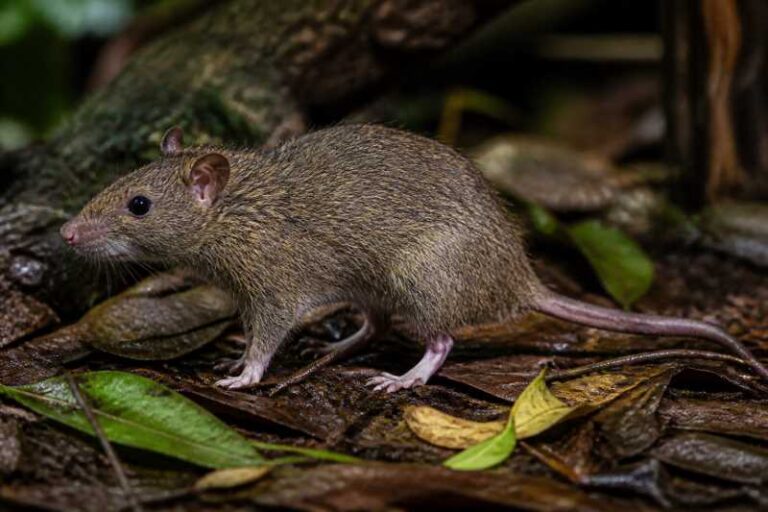
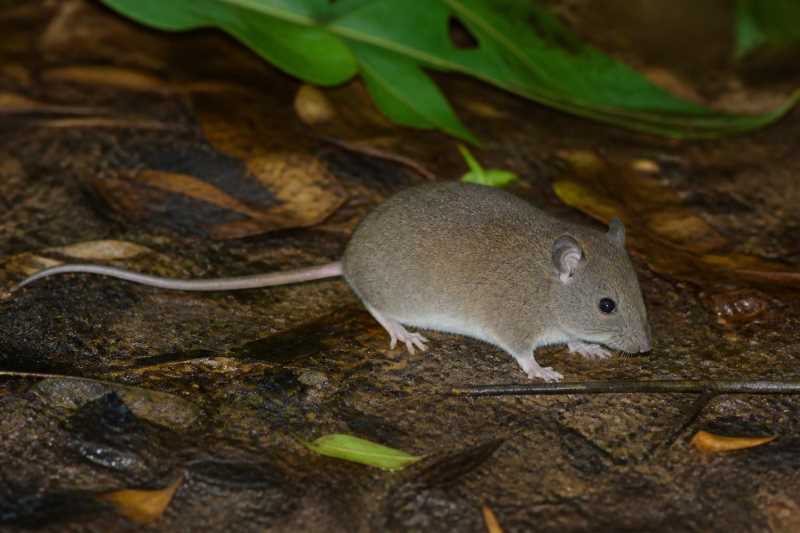
The West African Soft-furred Mouse is characterized by its relatively small size and distinctive soft fur, which gives it its common name. Typically, adults measure about 10 to 12 centimeters in body length, with an additional tail length ranging from 8 to 10 centimeters. This mouse exhibits a light brown to grayish dorsal coloration, which provides camouflage against the forest floor and underbrush. The ventral side is noticeably lighter, often white or pale gray. Its ears are rounded and prominent, aiding in acute hearing necessary for detecting predators. The mouse’s snout is somewhat elongated, a feature that distinguishes it from other species within the Praomys genus.
Range and Habitat
The West African Soft-furred Mouse is predominantly found throughout the forested regions of West Africa, including countries like Sierra Leone, Liberia, Côte d’Ivoire, and Ghana. This species thrives in humid, tropical environments, particularly in lowland forests where ample vegetation provides both food and cover. Occasionally, it can be found in secondary forests and agricultural lands, demonstrating a degree of adaptability to human-altered landscapes. Its preference for dense foliage and moist conditions makes it an integral part of the forest floor ecosystem, where it contributes to the decomposition process and nutrient cycling.
Behavior and Diet
This nocturnal rodent is primarily active during the night, which helps it avoid many diurnal predators. The West African Soft-furred Mouse is an omnivorous creature, with a diet that includes seeds, fruits, insects, and small invertebrates. Its feeding habits make it an important seed disperser, aiding in plant regeneration and forest sustainability.
Socially, these mice are relatively solitary but may exhibit communal nesting in areas with abundant resources. Communication among individuals is facilitated through a variety of vocalizations and scent markings. During the breeding season, which is influenced by environmental conditions, females can produce several litters per year, each containing two to six offspring.
Identification Tips (Field Recognition Cues)
Identifying the West African Soft-furred Mouse in the field involves recognizing key characteristics:
- Size and Shape: Look for a small rodent with a body length of about 10 to 12 centimeters and a tail that is slightly shorter than the body.
- Coloration: Note the light brown to grayish upper parts and the contrasting lighter belly.
- Fur Texture: The soft and fine fur is a distinguishing feature.
- Ears and Snout: The rounded ears and elongated snout are prominent identifiers.
- Behavior: Observe activity patterns; these mice are typically more active at night.
Conservation Status (With Threats and Protections)
As of the latest assessments, the West African Soft-furred Mouse is listed as Least Concern on the IUCN Red List. However, the species faces several threats that could influence its population dynamics. Habitat destruction due to logging, agricultural expansion, and urban development poses significant risks. Additionally, climate change and its impact on forest ecosystems could alter the availability of resources and suitable habitats.
Conservation efforts are crucial for maintaining healthy populations of this species. Protecting large areas of habitat and creating corridors that connect fragmented forests can help sustain their numbers. Local and international conservation organizations are working to promote sustainable land-use practices that benefit both human communities and wildlife.
Frequently Asked Questions
What is the habitat of the West African Soft-furred Mouse?
The West African Soft-furred Mouse inhabits tropical lowland forests across West Africa. It prefers areas with dense vegetation and moist conditions, which provide food and cover.
How can you identify a West African Soft-furred Mouse in the wild?
To identify this mouse, look for its small size, soft fur, and brownish-gray color with a lighter underbelly. Note its nocturnal behavior and elongated snout.
What does the West African Soft-furred Mouse eat?
This species is omnivorous, feeding on seeds, fruits, insects, and small invertebrates, playing a key role in seed dispersion and ecosystem dynamics.
Is the West African Soft-furred Mouse endangered?
Currently, the West African Soft-furred Mouse is not considered endangered, but it faces threats from habitat destruction and environmental changes.
Why is the West African Soft-furred Mouse important to its ecosystem?
It is crucial for seed dispersion and serves as prey for various predators, thus supporting the ecological balance in its habitat.
Related posts