Introduction
The Mount Oku Brush-furred Rat, scientifically known as Lophuromys dieterleni, is an intriguing species of rodent that inhabits the highlands of Cameroon. This elusive mammal is part of the Muridae family and is known for its distinct physical characteristics and specialized ecological niche. The species was first described in 2002 and since then, it has drawn the attention of researchers and conservationists due to its limited range and unique adaptations.
Physical Description
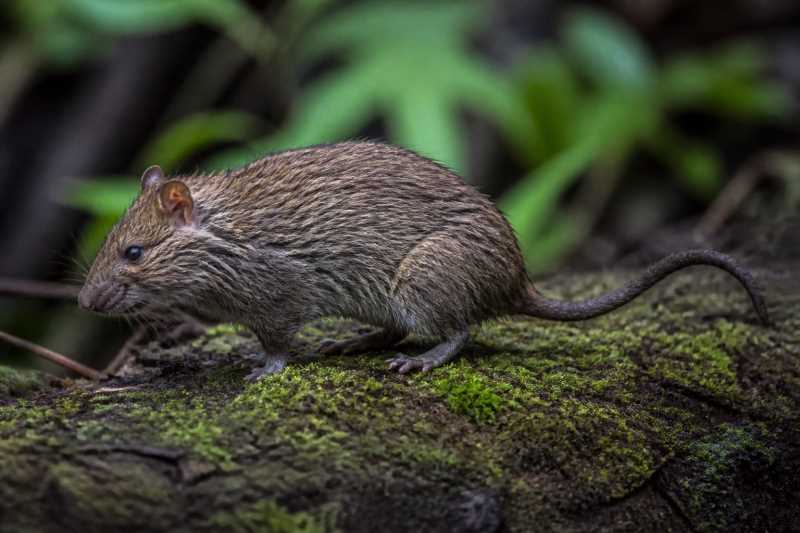
The Mount Oku Brush-furred Rat is characterized by its robust body, covered with coarse, brush-like fur that provides excellent insulation against the cold temperatures of its high-altitude habitat. The fur color ranges from dark brown to gray, with a lighter underbelly. Adult rats typically weigh between 40 to 60 grams and measure approximately 10 to 15 centimeters in body length, excluding the tail. The tail itself is relatively short and sparsely furred, which is a distinguishing feature from other rodents in similar environments.
Range and Habitat
This species is endemic to the Mount Oku region in the Bamenda Highlands of northwestern Cameroon. It primarily inhabits montane forests and grasslands at elevations above 2,000 meters. The high-altitude environment of Mount Oku provides a unique ecological niche that supports a diverse array of flora and fauna, including the Mount Oku Brush-furred Rat. The region’s climate is characterized by cool temperatures and high rainfall, which influence the dense vegetation and availability of resources that the species depends upon.
Behavior and Diet
The Mount Oku Brush-furred Rat is predominantly nocturnal, exhibiting most of its activity during the night when it forages for food. Its diet mainly consists of seeds, fruits, and small invertebrates, which it gathers from the forest floor. The rat is also known to climb shrubs and low trees in search of food, showcasing its adaptability. Socially, it is relatively solitary, with individuals occupying defined territories that they mark with scent glands. Breeding behaviors and reproductive cycles remain largely understudied, but it is believed that they breed year-round with a peak during the wet season.
Identification Tips (Field Recognition Cues)
Identifying the Mount Oku Brush-furred Rat in the field requires a keen eye for its specific features. Observers should look for:
- A medium-sized rodent with a thick, brushy coat
- Dark brown to gray fur with a lighter underbelly
- A short, sparsely furred tail
- Activity primarily during nighttime hours
- Habitats within montane forest and grassland areas above 2,000 meters
Conservation Status (With Threats and Protections)
The Mount Oku Brush-furred Rat is classified as Vulnerable by the International Union for Conservation of Nature (IUCN). The primary threats to its survival include habitat destruction and fragmentation due to agricultural expansion, logging, and human settlement. Conservation efforts are currently focused on habitat protection and restoration, alongside raising awareness among local communities about the ecological importance of preserving this species. Protected areas within the Mount Oku region have been established to safeguard its habitat, but ongoing conservation measures are necessary to ensure the rat’s long-term survival.
Frequently Asked Questions
Why is this species unique?
The Mount Oku Brush-furred Rat is unique due to its limited geographical range and specialized adaptations to a high-altitude environment. Its coarse, brush-like fur is particularly adapted to cold, wet conditions, making it distinct among rodents found in similar habitats.
What are the main threats to its survival?
The primary threats include habitat destruction from agricultural activities and deforestation. The species’ limited range makes it particularly vulnerable to environmental changes, necessitating focused conservation efforts to mitigate these threats.
How can conservation efforts be improved?
Improving conservation efforts can involve increasing protected areas, enhancing habitat restoration projects, and engaging local communities in conservation programs. Raising awareness about the ecological role of the Mount Oku Brush-furred Rat can also garner support for its protection.
What role does this species play in its ecosystem?
The Mount Oku Brush-furred Rat plays a crucial role in its ecosystem by participating in seed dispersal and serving as prey for various predators. Its foraging habits help maintain the ecological balance within its montane forest and grassland habitat.
How do researchers study this elusive species?
Researchers study the Mount Oku Brush-furred Rat through field surveys, camera traps, and habitat analysis. These methods help gather data on its population size, distribution, and behavior, which are essential for effective conservation planning.
Related posts