Introduction
The Miahuatlan Cotton Rat, scientifically known as Sigmodon planifrons, is a fascinating rodent species that belongs to the Cricetidae family. Despite its relatively obscure status, this species holds significant ecological importance in its native habitats. Understanding the Miahuatlan Cotton Rat’s characteristics, behaviors, and conservation needs is crucial for maintaining the biodiversity of the regions it inhabits. This article delves into the various aspects of the Miahuatlan Cotton Rat, offering insights into its physical description, range and habitat, behavior and diet, identification tips, and conservation status.
Physical Description
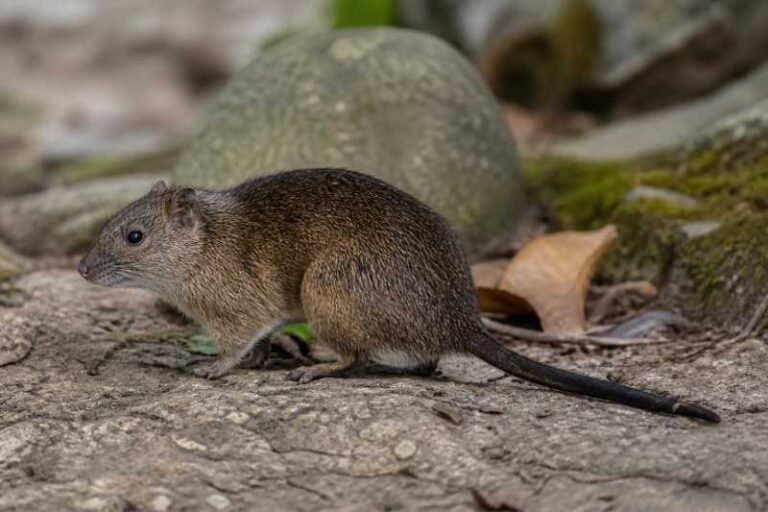
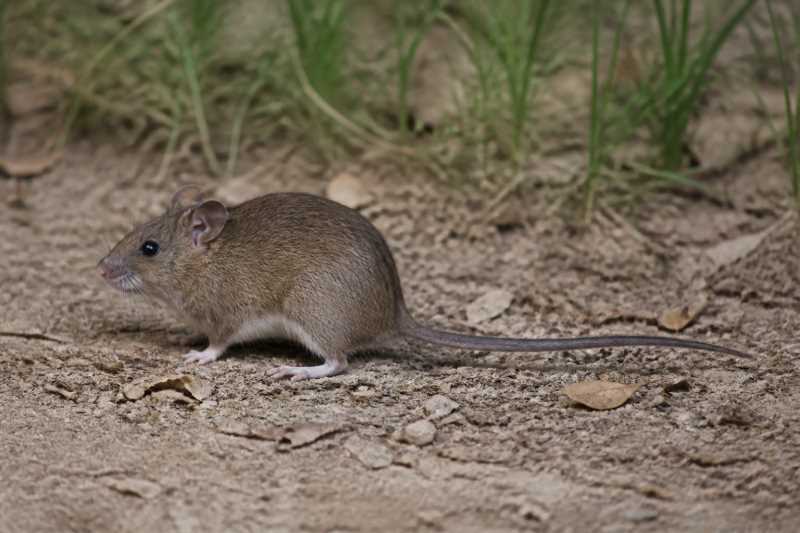
The Miahuatlan Cotton Rat is a medium-sized rodent characterized by its robust body and coarse fur. Adults typically measure between 20 to 25 centimeters in length, including the tail, which accounts for nearly half of the total length. The fur is generally a mix of grayish-brown on the dorsal side and lighter, almost white, on the ventral side. This coloration provides the rat with effective camouflage against predators in its natural habitat.
One of the distinguishing features of the Miahuatlan Cotton Rat is its relatively flat head, from which the species derives its name (planifrons meaning "flat-headed"). The ears are small and rounded, often partially concealed by the fur. The eyes are moderately sized, providing good vision, which is essential for spotting predators. The incisors are sharp and ever-growing, typical of rodent species, allowing the rat to gnaw on a variety of plant materials.
Range and Habitat
The Miahuatlan Cotton Rat is endemic to a restricted area in Mexico, primarily found in the Miahuatlan region of Oaxaca. This geographical limitation makes it particularly vulnerable to habitat changes. The rat inhabits a variety of environments, including grasslands, agricultural fields, and areas with dense vegetation. It prefers habitats that provide ample cover from predators and suitable materials for nesting.
This species is known to adapt to human-altered landscapes, such as crop fields and pastures, which can both benefit and threaten its existence. While agricultural lands offer abundant food resources, they also expose the rats to increased risks of human-wildlife conflict and pesticide exposure.
Behavior and Diet
Miahuatlan Cotton Rats are primarily diurnal, meaning they are most active during the day. This behavior is somewhat unusual for rodents, as many are nocturnal. During daylight hours, these rats can be seen foraging for food or engaging in social interactions. They are generally solitary but may form small groups, especially in areas with high food availability.
The diet of the Miahuatlan Cotton Rat is predominantly herbivorous, consisting mainly of grasses, seeds, and other plant materials. However, they are opportunistic feeders and may occasionally consume insects or other small invertebrates. This varied diet helps them adapt to different environmental conditions and food availability.
Identification Tips (field recognition cues)
Identifying the Miahuatlan Cotton Rat in the field can be challenging, but there are several cues to look for:
- Size and Shape: Look for a medium-sized rodent with a robust body and a relatively flat head. The tail is about half the length of the body.
- Fur Coloration: Note the grayish-brown dorsal fur and lighter ventral side. This coloration helps it blend into its surroundings.
- Habitat Preference: These rats are often found in grasslands, agricultural areas, and places with dense vegetation.
- Activity Patterns: They are active during the day, which is atypical for many rodent species.
- Vocalizations: Listen for high-pitched squeaks, which are common communication sounds among these rats.
Conservation Status (with threats and protections)
The Miahuatlan Cotton Rat is currently classified as "Data Deficient" by the International Union for Conservation of Nature (IUCN). This classification indicates that there is insufficient information available to make a direct assessment of its risk of extinction. However, several factors pose significant threats to its population.
Threats
- Habitat Loss: Urbanization and agricultural expansion are leading to the destruction and fragmentation of its natural habitat.
- Pesticide Use: The use of pesticides in agricultural areas can poison the rats directly or reduce their food resources by killing off insects and plants.
- Climate Change: Alterations in climate patterns can affect the availability of food and water resources, impacting their survival.
Protections
Efforts to conserve the Miahuatlan Cotton Rat should focus on habitat preservation and restoration. Implementing sustainable agricultural practices that minimize pesticide use can also help protect this species. Further research is needed to gain a better understanding of the species’ distribution, population size, and ecological needs.
Frequently Asked Questions
What is the natural habitat of the Miahuatlan Cotton Rat?
The Miahuatlan Cotton Rat is found in the Miahuatlan region of Oaxaca, Mexico. It inhabits grasslands, agricultural fields, and areas with dense vegetation, preferring environments that provide cover and abundant food resources.
How can I identify a Miahuatlan Cotton Rat in the wild?
Look for a medium-sized rodent with a robust body, a relatively flat head, and fur that is grayish-brown on the back and lighter underneath. They are active during the day and are often found in areas with dense vegetation.
What do Miahuatlan Cotton Rats eat?
Their diet is mainly herbivorous, consisting of grasses, seeds, and other plant materials. They are opportunistic feeders and may also consume insects or small invertebrates.
Are Miahuatlan Cotton Rats endangered?
The Miahuatlan Cotton Rat is classified as "Data Deficient" by the IUCN due to a lack of sufficient information. However, habitat loss and pesticide use are significant threats to their population.
What conservation measures are in place for the Miahuatlan Cotton Rat?
Conservation efforts should focus on habitat preservation and minimizing pesticide use in agricultural areas. Further research is needed to better understand their ecological requirements and distribution.
Related posts