Coastal Cordilleran Rice Rat (Nephelomys caracolus): A Comprehensive Guide
Introduction
The Coastal Cordilleran Rice Rat, scientifically known as Nephelomys caracolus, is a fascinating rodent species native to the Andean regions of South America. While it may not be as renowned as some of its mammalian counterparts, this species plays a crucial role in its ecosystem. This article delves into the various aspects of the Coastal Cordilleran Rice Rat, including its physical characteristics, habitat, behavior, and conservation status, offering a detailed overview for anyone keen on understanding more about this unique rodent.
Physical Description
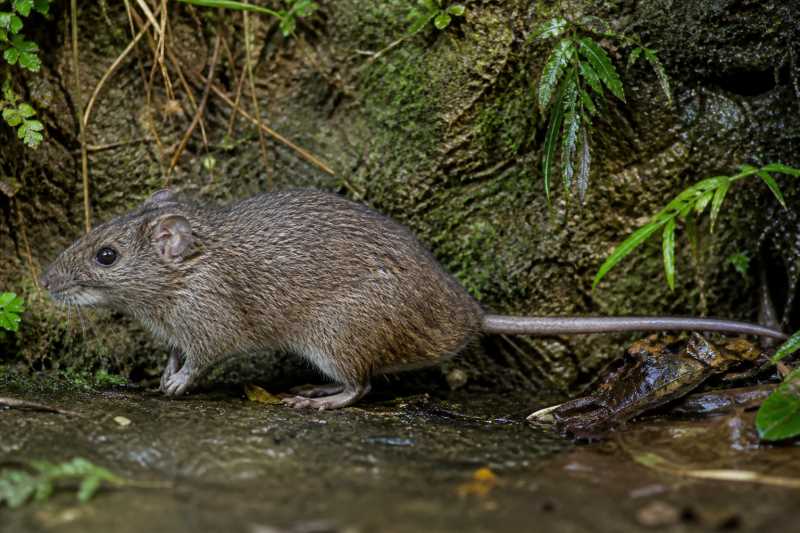
The Coastal Cordilleran Rice Rat is a medium-sized rodent distinguished by its dense and soft fur. The fur color ranges from a warm brownish-gray on the dorsal side to a lighter, almost white hue on the ventral side. This coloration provides effective camouflage within its natural habitat. Adult individuals typically weigh between 40 to 60 grams and measure about 15 to 20 centimeters in length, excluding the tail, which can add another 12 to 15 centimeters.
Their ears are rounded, and they possess long whiskers that aid in navigation and sensory perception. The tail of the Coastal Cordilleran Rice Rat is covered in fine scales and sparse hairs, serving as a balancing tool when they maneuver through their often challenging and vertical habitats.
Range and Habitat
Nephelomys caracolus is primarily found in the Andean mountain ranges, particularly along the coastal Cordilleras. These regions are characterized by their rugged terrain and diverse ecosystems, ranging from lush forests to open grasslands. The Coastal Cordilleran Rice Rat thrives in these environments due to its adaptive nature and ability to exploit a variety of food sources.
This species is typically found at elevations between 1,000 to 3,000 meters above sea level. The presence of dense vegetation provides both food and protection from predators, making it an ideal habitat for this elusive rodent.
Behavior and Diet
The Coastal Cordilleran Rice Rat is predominantly nocturnal, spending the majority of daylight hours hidden within the dense underbrush or in burrows. Their nocturnal nature aids in avoiding predators and allows them to forage for food under the cover of darkness.
Their diet is omnivorous, consisting primarily of seeds, fruits, and small invertebrates. They are known to exhibit opportunistic feeding behaviors, which means they can adapt their diet based on the availability of food sources. This adaptability is crucial for their survival, especially in areas where food resources can be scarce or seasonal.
Identification Tips
For those interested in observing the Coastal Cordilleran Rice Rat in its natural habitat, there are several key identification tips to keep in mind:
- Fur Coloration: Look for the characteristic brownish-gray dorsal fur that transitions to a lighter belly.
- Tail Length: The tail is almost as long as the body and is noticeably scaled.
- Size: Medium-sized with a body length ranging from 15 to 20 cm, excluding the tail.
- Activity Patterns: Active primarily at night; sightings are more common during dusk and dawn.
Conservation Status
The conservation status of the Coastal Cordilleran Rice Rat is currently not well-documented, primarily due to its elusive nature and the lack of extensive research focused on this species. However, like many Andean species, it is likely affected by habitat loss due to deforestation, agricultural expansion, and urbanization.
Conservation efforts are essential to ensure the survival of Nephelomys caracolus. Protecting their natural habitats and supporting sustainable land-use practices are key measures that can mitigate threats to this species. Additionally, more research is needed to better understand their population dynamics, ecological role, and specific threats to implement effective conservation strategies.
Frequently Asked Questions
1. What is the habitat range of the Coastal Cordilleran Rice Rat? The Coastal Cordilleran Rice Rat is primarily found in the Andean regions along the coastal Cordilleras, thriving in elevations between 1,000 to 3,000 meters with dense vegetation.
2. What does the Coastal Cordilleran Rice Rat eat? This species has an omnivorous diet, primarily feeding on seeds, fruits, and small invertebrates, with a high level of diet adaptability based on food availability.
3. How can you identify a Coastal Cordilleran Rice Rat in the wild? Key identification features include its brownish-gray dorsal fur, lighter belly, medium size, long scaled tail, and nocturnal activity patterns.
4. Are Coastal Cordilleran Rice Rats endangered? Their conservation status is not well-documented, but they face threats from habitat loss due to deforestation and agricultural expansion, necessitating habitat protection efforts.
5. Why is it important to conserve the Coastal Cordilleran Rice Rat? Conserving this species is crucial for maintaining ecological balance in its habitat, as it plays a significant role in seed dispersion and as a prey species.
Related posts