Introduction
The Brazilian Marsh Rat, scientifically known as Holochilus brasiliensis, is a fascinating rodent species native to South America. As its name suggests, this species primarily inhabits the marshlands and wetlands of Brazil, although its range extends into other parts of the continent. Known for its semi-aquatic lifestyle and distinctive physical characteristics, the Brazilian Marsh Rat plays a crucial role in its ecosystem. This article explores the various aspects of this intriguing mammal, including its physical description, habitat, behavior, and conservation status.
Physical Description
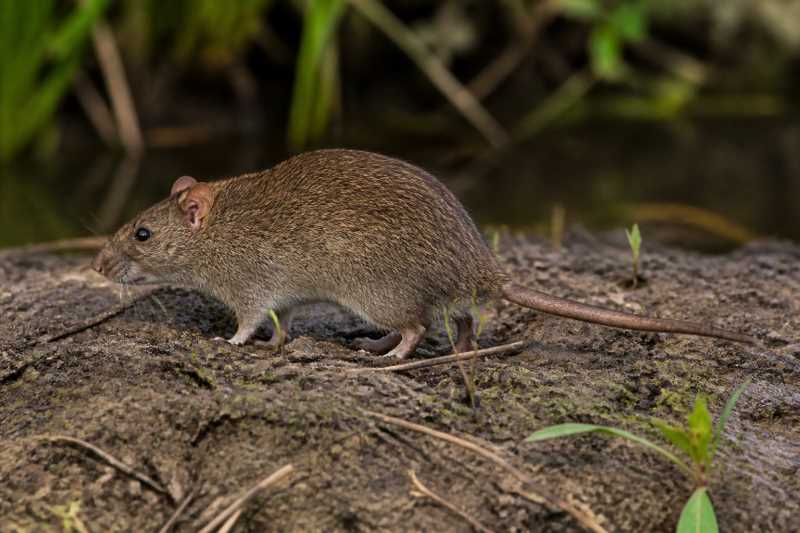
The Brazilian Marsh Rat is a medium-sized rodent, measuring approximately 20 to 30 centimeters in body length, with a tail that adds another 15 to 25 centimeters. One of the most notable features of this species is its dense, water-repellent fur, which ranges from a light brown to a reddish-brown, providing excellent camouflage in its marshy environment. The underbelly is typically lighter, often a pale gray or white.
Its body is robust and adapted for a semi-aquatic lifestyle, with partially webbed feet that aid in swimming. The ears are relatively small, a trait that helps minimize heat loss in its sometimes cool wetland habitat. The eyes are large and positioned to provide a wide field of vision, an adaptation important for spotting predators and navigating through dense vegetation.
The skull of the Brazilian Marsh Rat is elongated with a pointed snout, housing sharp incisors that continually grow. These teeth are essential for gnawing on hard plant materials and the construction of nests.
Range and Habitat
The Brazilian Marsh Rat is predominantly found in the wetland regions of Brazil, although its range extends into parts of Argentina, Paraguay, and Uruguay. This distribution highlights the species’ adaptability to various wetland environments across South America.
Typically, these rodents inhabit marshes, swamps, and riverbanks, preferring areas with abundant water and dense vegetation. The presence of water is crucial as it provides both a means of transportation and a habitat rich in food resources. Dense vegetation offers protection from predators and materials for nest building.
During the rainy season, the range of the Brazilian Marsh Rat can expand as water levels rise, allowing the species to explore new territories. Conversely, during dry periods, populations may become more concentrated in permanent water bodies.
Behavior and Diet
The Brazilian Marsh Rat is primarily nocturnal, becoming most active during the twilight hours. This behavior helps it avoid diurnal predators and the heat of the day. They are excellent swimmers and spend a significant portion of their time in water, where they forage and travel.
The diet of the Brazilian Marsh Rat consists mainly of plant material, including grasses, seeds, and aquatic vegetation. They are known to occasionally consume insects and small aquatic creatures, making them opportunistic feeders. Their sharp incisors allow them to efficiently process tough plant fibers.
Socially, these rodents are generally solitary, with individuals maintaining their own territories. However, during the breeding season, they may come together to mate. Females give birth to litters of 2 to 6 young after a gestation period of approximately 30 days. The young are altricial, born blind and hairless, requiring extensive parental care.
Identification Tips (Field Recognition Cues)
Identifying the Brazilian Marsh Rat in the wild can be challenging due to its elusive nature and nocturnal habits. However, there are several key identification cues:
- Fur Color: Look for the characteristic reddish-brown fur with a lighter underbelly.
- Size and Shape: Medium-sized with a long tail and a robust body adapted for swimming.
- Habitat: Found in or near water bodies, especially in regions with dense vegetation.
- Tracks and Signs: Look for signs of gnawing on plant stems and footprints near water edges.
Conservation Status (With Threats and Protections)
The Brazilian Marsh Rat is currently classified as a species of Least Concern by the International Union for Conservation of Nature (IUCN). This status reflects a relatively stable population, but it does not imply that the species is free from threats.
Habitat destruction is the primary threat to the Brazilian Marsh Rat, with wetland drainage for agriculture and urban development posing significant risks. Pollution from agricultural runoff and industrial waste also threatens their habitat quality and food sources.
Conservation efforts focus on protecting wetland habitats through the establishment of protected areas and sustainable land-use practices. Continued research and monitoring are essential to ensure that populations remain healthy and that any emerging threats are promptly addressed.
Frequently Asked Questions
Why is this species unique?
The Brazilian Marsh Rat is unique due to its semi-aquatic lifestyle and adaptations that allow it to thrive in wetland environments. Its water-repellent fur and swimming ability distinguish it from many other rodent species.
What role does the Brazilian Marsh Rat play in its ecosystem?
As a herbivore, the Brazilian Marsh Rat plays a crucial role in controlling plant growth and maintaining the balance of wetland ecosystems. It also serves as prey for larger predators, contributing to the food web.
How can we help conserve the Brazilian Marsh Rat?
Supporting wetland conservation initiatives and sustainable land-use practices are vital for the conservation of the Brazilian Marsh Rat. Raising awareness about the importance of wetlands can also contribute to its protection.
Are Brazilian Marsh Rats dangerous to humans?
Brazilian Marsh Rats are not considered dangerous to humans. They are generally shy and avoid human contact. However, like all wild animals, they should be respected and observed from a distance.
What are the main predators of the Brazilian Marsh Rat?
The main predators of the Brazilian Marsh Rat include birds of prey, snakes, and carnivorous mammals. Their nocturnal habits help them avoid some of these predators.
Related posts