Introduction
The Peruvian Fish-eating Rat, scientifically known as Daptomys peruviensis, is a fascinating and lesser-known rodent species that captivates researchers and wildlife enthusiasts alike. This unique mammal, found in the diverse ecosystems of Peru, has evolved distinct characteristics and behaviors that set it apart from its rodent relatives. Understanding its ecology and conservation status is crucial for preserving this species and maintaining the ecological balance within its habitat.
Physical Description
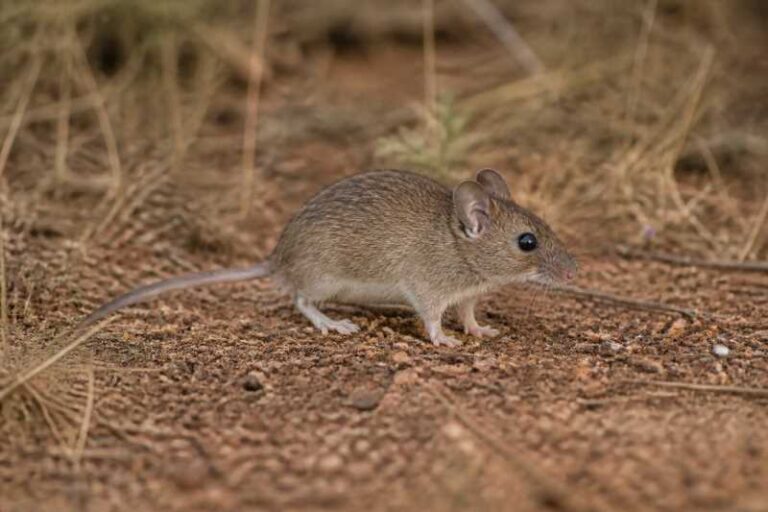
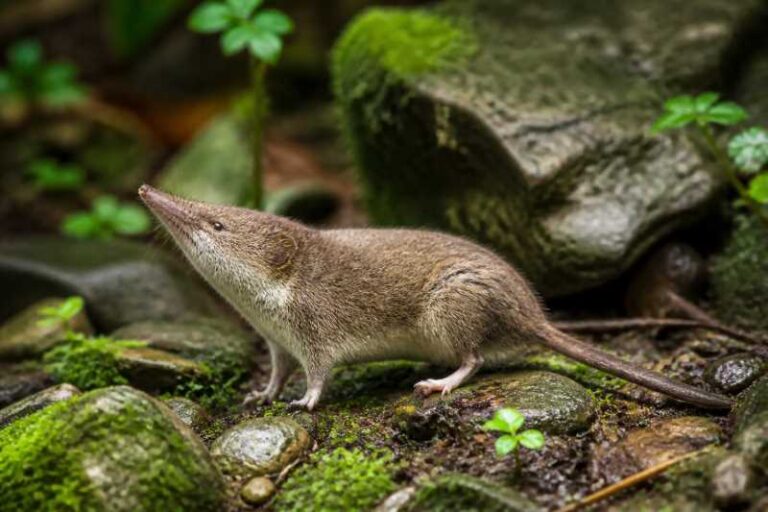
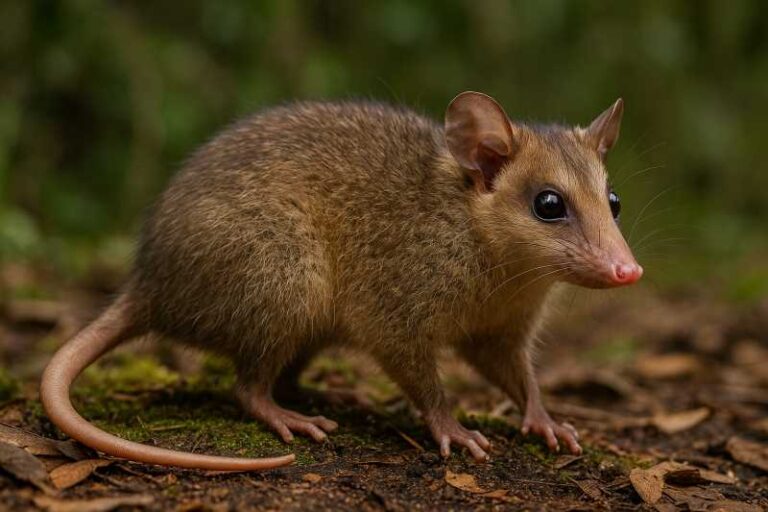
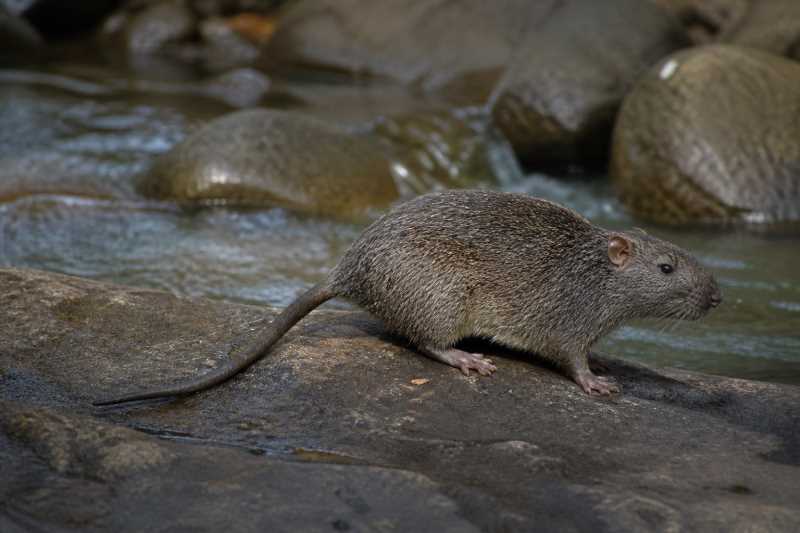
The Peruvian Fish-eating Rat is a medium-sized rodent characterized by its elongated body, measuring between 18 to 25 centimeters in length, excluding the tail. The tail itself can add another 15 to 20 centimeters, making it a significant feature of the species. Its fur is typically a blend of brown and gray, providing camouflage against the rocky and muddy riverbanks where it predominantly resides.
The rat’s most noticeable physical trait is its partially webbed feet, an adaptation that aids in swimming and capturing aquatic prey. Its sharp incisors are well-suited for catching and consuming fish, a primary component of its diet. The Peruvian Fish-eating Rat also has a relatively slender build compared to other rodents, which enhances its agility both on land and in water.
Range and Habitat
Daptomys peruviensis is endemic to Peru, primarily inhabiting the eastern slopes of the Andes and the adjacent lowland regions. Its preferred habitats include freshwater environments such as rivers, streams, and wetlands, where it can easily access its aquatic prey. The rat is often found in areas with dense vegetation and ample hiding spots, which offer protection from predators.
The species has been observed in various altitudinal ranges, from the lowland rainforest regions to the higher elevations of the Andean foothills. This adaptability to different habitats reflects its resilience and resourcefulness in finding suitable environments to thrive.
Behavior and Diet
The Peruvian Fish-eating Rat is predominantly nocturnal, emerging at dusk to hunt and forage for food. Its diet primarily consists of small fish, insects, and crustaceans, making it one of the few rodent species with a piscivorous feeding habit. It utilizes its keen sense of smell and touch to locate prey in murky waters, often diving and swimming with remarkable precision.
In addition to its piscivorous diet, the rat may occasionally consume fruits and seeds, particularly when fish are scarce. This dietary flexibility helps it to survive in varying environmental conditions.
Socially, the Peruvian Fish-eating Rat is generally solitary, except during the breeding season when males and females come together to mate. The species is known for its territorial behavior, with individuals marking their territory using scent markings to ward off potential rivals.
Identification Tips (Field Recognition Cues)
Identifying the Peruvian Fish-eating Rat in the wild requires attention to several key features:
- Size and Build: Look for a medium-sized rodent with a slender body, measuring up to 25 centimeters in length, not including the tail.
- Coloration: Note the brown and gray fur that provides effective camouflage in its natural habitat.
- Tail: A long, slender tail that is often as long as or longer than the body, aiding in balance and swimming.
- Webbed Feet: Partially webbed feet are a distinctive feature, assisting in aquatic hunting.
- Habitat: Found near freshwater bodies, such as rivers and streams, often in areas with dense vegetation.
Conservation Status (With Threats and Protections)
The conservation status of the Peruvian Fish-eating Rat is currently classified as "Data Deficient" by the International Union for Conservation of Nature (IUCN). This classification indicates a lack of sufficient data to make a precise assessment of its population trends and threats.
Key threats to the species include habitat destruction due to deforestation, pollution of freshwater systems, and the impacts of climate change. Human activities, such as agriculture and urban development, continue to encroach upon its habitat, posing significant risks to its survival.
Efforts to protect the Peruvian Fish-eating Rat involve the establishment of protected areas and conservation programs aimed at preserving freshwater ecosystems. Additionally, further research is needed to better understand its ecology and develop effective conservation strategies.
Frequently Asked Questions
What do Peruvian Fish-eating Rats eat?
Peruvian Fish-eating Rats primarily consume small fish, insects, and crustaceans. They may also eat fruits and seeds when their preferred food sources are scarce.
Where can the Peruvian Fish-eating Rat be found?
This species is endemic to Peru, typically inhabiting the eastern slopes of the Andes and adjacent lowland regions, favoring freshwater environments like rivers and streams.
How does the Peruvian Fish-eating Rat adapt to its environment?
The rat’s adaptations include partially webbed feet for swimming, sharp incisors for catching prey, and a diet that is flexible enough to include fruits and seeds when necessary.
Is the Peruvian Fish-eating Rat endangered?
Currently, the Peruvian Fish-eating Rat is classified as "Data Deficient" by the IUCN, indicating that there is not enough data available to determine its exact conservation status, though it faces threats from habitat destruction.
How can the Peruvian Fish-eating Rat be identified in the wild?
Look for a medium-sized rodent with a slender body, brown and gray fur, a long tail, and partially webbed feet, typically found near freshwater bodies in Peru.
Related posts