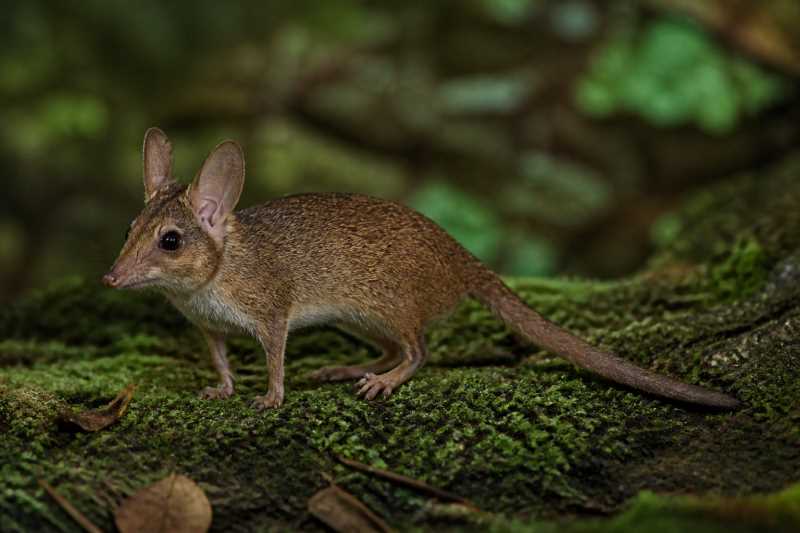
Long-eared Pygmy Anomalure (Idiurus macrotis): A Comprehensive Guide
Introduction
The Long-eared Pygmy Anomalure, scientifically known as Idiurus macrotis, is a fascinating yet lesser-known mammal species. Belonging to the family Anomaluridae, these small, gliding rodents are native to the dense forests of Central Africa. Known for their distinctive long ears and gliding abilities, these creatures are an integral part of their ecosystem. This article aims to provide an in-depth look at the Long-eared Pygmy Anomalure, covering its physical characteristics, habitat, behavior, and conservation status.
Physical Description
The Long-eared Pygmy Anomalure is a small gliding rodent, measuring approximately 7 to 10 cm in body length, with a tail that adds an extra 10 to 13 cm. As the name suggests, one of their most striking features is their proportionally long ears, which are larger than those of most other gliding mammals. Their fur is typically a soft, grayish-brown, providing excellent camouflage against the tree bark in their native habitat.
These animals possess a unique adaptation for gliding: a patagium, which is a membrane that stretches between the limbs and body, allowing them to glide from tree to tree. This patagium is supported by cartilaginous spines that extend from their elbows and knees. The tail of the Long-eared Pygmy Anomalure is bushy and serves as a rudder during glides, providing stability and control.
Range and Habitat
The Long-eared Pygmy Anomalure is predominantly found in the tropical rainforests of Central Africa. Their range includes countries such as Cameroon, Gabon, and the Democratic Republic of the Congo. These mammals are arboreal, spending most of their lives in the canopy layer of the forest.
They prefer primary rainforests with dense canopy cover, which provides ample opportunities for gliding and foraging. However, their range is increasingly threatened by deforestation and habitat fragmentation. Conservation efforts are critical to ensure the survival of this species within its natural habitat.
Behavior and Diet
Primarily nocturnal, the Long-eared Pygmy Anomalure is most active during the night. This nocturnal lifestyle helps them avoid many predators and take advantage of less competition for food. They are social animals, often seen in small groups, which helps them communicate and navigate their environment more effectively.
Their diet consists mainly of fruits, nuts, and leaves, although they may also consume insects and other small invertebrates. Their foraging habits play a crucial role in seed dispersal, which contributes to the health and diversity of their forest ecosystem.
Identification Tips
Field recognition of the Long-eared Pygmy Anomalure can be challenging due to their elusive nature and nocturnal habits. However, there are several cues that can aid in identification:
- Look for their distinctive long ears, which are visible even when they are at rest.
- Observe their gliding behavior at dusk or during the night, when they are most active.
- Listen for their soft, high-pitched vocalizations, which they use to communicate with each other.
- Identify their habitat: they are found in dense, primary rainforests, usually high up in the canopy.
Conservation Status
The Long-eared Pygmy Anomalure is currently listed as Least Concern by the International Union for Conservation of Nature (IUCN). However, this status does not mean they are free from threat. The primary threats to their survival include habitat destruction due to logging, agriculture, and urbanization.
Conservation measures are essential to protect their habitat and ensure their continued survival. These include establishing protected areas, promoting sustainable forestry practices, and raising awareness about the importance of conserving forest ecosystems.
Frequently Asked Questions
What is the Long-eared Pygmy Anomalure’s primary habitat?
The Long-eared Pygmy Anomalure primarily inhabits the dense, tropical rainforests of Central Africa, where they live high in the canopy.
How does the Long-eared Pygmy Anomalure glide?
They glide using a patagium, a membrane between their limbs and body, supported by cartilaginous spines, allowing them to move from tree to tree.
What threats do Long-eared Pygmy Anomalures face?
The main threats include habitat destruction due to deforestation, agriculture, and urban development, leading to habitat fragmentation.
Are Long-eared Pygmy Anomalures social animals?
Yes, they are social creatures often found in small groups, which helps them communicate and navigate their environment.
What role do Long-eared Pygmy Anomalures play in their ecosystem?
They are vital for seed dispersal, aiding in forest regeneration and contributing to the overall health and diversity of their ecosystem.
Related posts