Townsend’s Ground Squirrel (Urocitellus townsendii)
Introduction
Townsend’s Ground Squirrel, scientifically known as Urocitellus townsendii, is a small, burrowing mammal native to North America. These ground squirrels are notable for their social behaviors and are a critical component of their ecosystem, serving as prey for numerous predators and contributing to soil aeration. Despite their ecological importance, Townsend’s Ground Squirrels face several threats, prompting conservation measures to ensure their survival. This comprehensive guide delves into the physical characteristics, habitat, behavior, diet, and conservation status of this fascinating species.
Physical Description
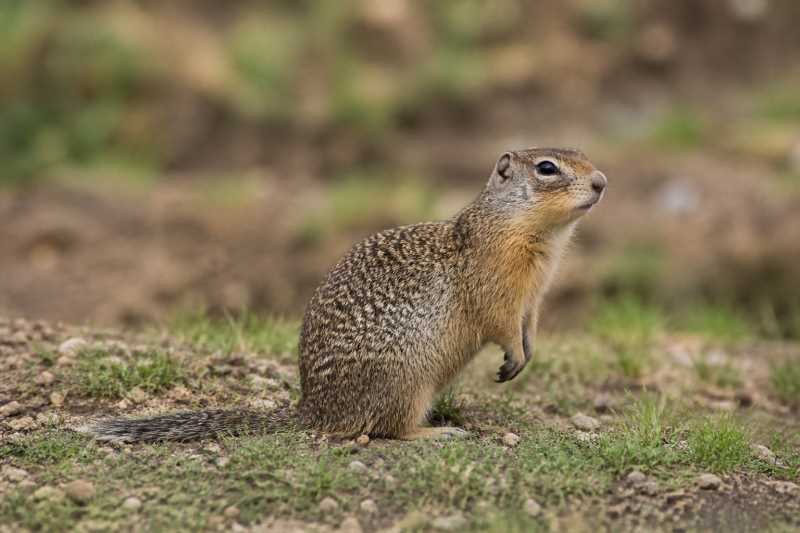
Townsend’s Ground Squirrel exhibits a compact and agile body, ideally adapted for life underground and in open terrains. Adults typically measure between 20 to 30 centimeters (8 to 12 inches) in length, including their bushy tails that account for about one-third of their total length. Their weight ranges from 100 to 200 grams (3.5 to 7 ounces), with males generally being larger than females.
These squirrels have a coat of short, dense fur that varies in color from grayish-brown to pale buff, aiding in camouflage against the arid landscapes they inhabit. Their underbellies are lighter, usually a pale white or cream color. Townsend’s Ground Squirrels have small, rounded ears and large, dark eyes that provide excellent vision for spotting predators.
The species is equipped with strong, sharp claws, which are essential for digging intricate burrow systems. Their limbs are sturdy yet nimble, allowing for quick bursts of speed, crucial for escaping predators and navigating their environment.
Range and Habitat
Townsend’s Ground Squirrels are endemic to the western United States, primarily found in the sagebrush steppe and desert regions of Nevada, Idaho, Oregon, and Utah. They thrive in open areas with loose, sandy soils that facilitate easy burrow construction.
These squirrels prefer habitats with sparse vegetation, such as sagebrush and grasslands, which provide both cover and food resources. They avoid densely vegetated or forested areas, as these restrict their ability to detect approaching predators and hinder their movement.
Behavior and Diet
Townsend’s Ground Squirrels are highly social creatures, often forming colonies comprised of numerous individuals. They communicate using a range of vocalizations and physical cues, such as tail flicking and body posturing. These interactions are vital for maintaining social bonds and alerting each other to potential threats.
Their diet is primarily herbivorous, consisting of grasses, seeds, and forbs, but they also consume insects and other small invertebrates as a source of protein. The availability of food directly influences their foraging behavior and reproductive success.
During the hotter months, Townsend’s Ground Squirrels are diurnal, foraging during the cooler parts of the day. In contrast, they may become crepuscular or even nocturnal during extreme heat to conserve energy and reduce water loss.
Identification Tips
When attempting to identify Townsend’s Ground Squirrels in the field, consider the following characteristics:
- Size and Shape: Look for a small, compact rodent with a body length of 20 to 30 cm (including tail).
- Coloration: Note the squirrel’s grayish-brown to buff fur, with lighter underparts.
- Behavior: Observe their social behavior; they often appear in groups and are vocal.
- Habitat: Check for presence in open, sandy areas with sparse vegetation.
- Burrows: Look for burrow entrances, which are indicative of their presence.
Conservation Status
Townsend’s Ground Squirrel is classified as a species of least concern by the International Union for Conservation of Nature (IUCN). However, their populations are susceptible to various threats, including habitat loss due to agriculture and urban development. These activities not only reduce available habitat but also fragment populations, leading to decreased genetic diversity.
Pesticide use and poisoning campaigns aimed at controlling rodent populations also pose significant threats to Townsend’s Ground Squirrels. While these measures target agricultural pests, they can inadvertently harm non-target species like the Townsend’s Ground Squirrel.
Conservation efforts for these squirrels focus on habitat preservation and restoration. Protecting large tracts of sagebrush steppe and implementing sustainable land management practices are crucial for maintaining healthy populations. Education and awareness campaigns can also help reduce human-wildlife conflict and promote coexistence.
Frequently Asked Questions
What do Townsend’s Ground Squirrels eat?
Townsend’s Ground Squirrels primarily consume grasses, seeds, and forbs, occasionally supplementing their diet with insects and small invertebrates.
How do Townsend’s Ground Squirrels communicate?
These squirrels use a variety of vocalizations and physical signals, such as tail flicking and body posturing, to communicate within their colonies.
Where can I find Townsend’s Ground Squirrels?
They are commonly found in the sagebrush steppe and desert regions of the western United States, including parts of Nevada, Idaho, Oregon, and Utah.
Are Townsend’s Ground Squirrels endangered?
No, they are currently classified as a species of least concern, although they face threats from habitat loss and pesticide use.
How can I help conserve Townsend’s Ground Squirrels?
Supporting habitat preservation efforts and promoting sustainable land management practices are effective ways to contribute to the conservation of Townsend’s Ground Squirrels.
Related posts