Introduction
The Drab Atlantic Tree-rat (Phyllomys dasythrix) is a fascinating yet lesser-known rodent species native to the Atlantic Forest of Brazil. This nocturnal mammal, belonging to the Echimyidae family, is an arboreal creature, meaning it spends most of its life in trees. Its unique adaptations make it an intriguing subject for biologists and wildlife enthusiasts alike. Despite its elusive nature, the Drab Atlantic Tree-rat plays a crucial role in its ecosystem, contributing to seed dispersal and forest ecology.
Physical Description
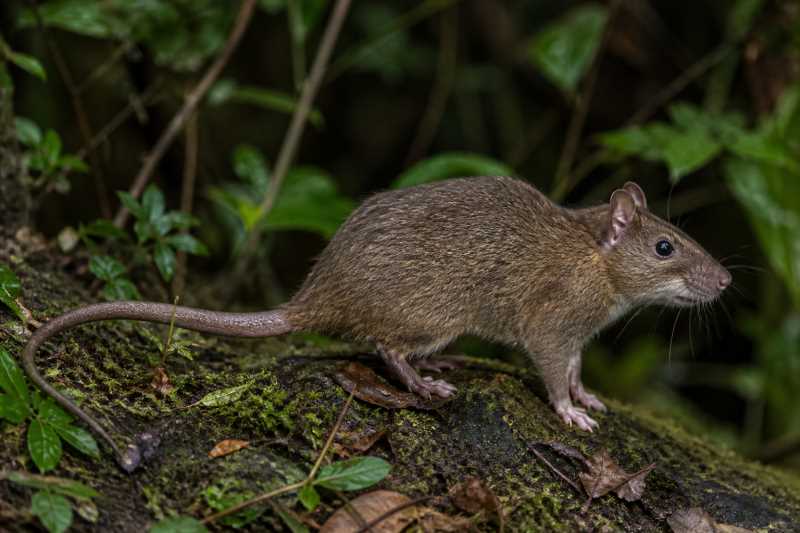
The Drab Atlantic Tree-rat is characterized by its medium-sized body, typically measuring between 20 to 30 centimeters in length, excluding the tail, which can add another 15 to 20 centimeters. Its weight ranges from 200 to 350 grams, making it a relatively small mammal. The species is named for its drab, brownish-gray fur, which provides excellent camouflage in the forest canopy. Its fur is dense and soft, with a slightly lighter underbelly. The Tree-rat has large, dark eyes adapted for nocturnal vision, and its ears are small and rounded. Its limbs are strong and agile, equipped with sharp claws that facilitate climbing.
Range and Habitat
Phyllomys dasythrix is endemic to the Atlantic Forest in southeastern Brazil, primarily occupying regions in the states of Rio de Janeiro, Espírito Santo, and southern Bahia. This biome is known for its high biodiversity and endemism, although it is currently one of the most threatened tropical forests in the world. The Drab Atlantic Tree-rat favors humid, dense forests where it can easily navigate the canopy. It prefers areas with a complex structure of vines and branches, which provide both food and protection from predators.
Behavior and Diet
The Drab Atlantic Tree-rat is primarily nocturnal, emerging at night to forage for food. Its diet consists mainly of fruits, seeds, and leaves, but it may occasionally consume insects and small invertebrates. This dietary flexibility helps it survive in various environmental conditions. The species is solitary, with individuals maintaining territories that they defend from intruders. Communication among these rodents is mainly through vocalizations and scent markings, which play crucial roles in mating and territory establishment.
Identification Tips (field recognition cues)
Identifying the Drab Atlantic Tree-rat in the wild can be challenging due to its nocturnal and arboreal nature. However, a few cues can help in its recognition:
- Fur Color: Look for the drab, brownish-gray fur which blends into the forest canopy.
- Tail: Note the long, bushy tail with a darker tip, which is often visible as the rat moves through trees.
- Movement: Observe the agile and sure-footed movement through branches, typical of an arboreal rodent.
- Vocalizations: Listen for soft, squeaking calls at night, which may indicate the presence of this species.
Conservation Status (with threats and protections)
The Drab Atlantic Tree-rat is currently classified as "Vulnerable" by the International Union for Conservation of Nature (IUCN). The primary threat to its survival is habitat destruction due to deforestation, agricultural expansion, and urbanization in the Atlantic Forest. This habitat loss not only reduces the available living space for the Tree-rat but also fragments populations, leading to genetic isolation. Conservation efforts focus on habitat preservation and restoration, as well as research to better understand the species’ ecology and requirements. Protected areas within the Atlantic Forest are crucial for the survival of Phyllomys dasythrix, and efforts are ongoing to expand these zones and implement sustainable land-use practices.
Frequently Asked Questions
What adaptations help the Drab Atlantic Tree-rat survive in its environment? The Drab Atlantic Tree-rat has several adaptations for arboreal life, including strong, agile limbs, sharp claws for climbing, and excellent night vision. Its drab fur provides camouflage, and its diet is versatile, allowing it to exploit various food resources.
How does the Drab Atlantic Tree-rat contribute to its ecosystem? As a frugivore, the Drab Atlantic Tree-rat plays a significant role in seed dispersal, aiding in forest regeneration. Its presence also indicates a healthy forest ecosystem, as it requires a complex canopy structure to thrive.
What are the main threats to the Drab Atlantic Tree-rat? Habitat destruction due to deforestation, agricultural activities, and urbanization are the main threats. These activities lead to habitat fragmentation, which isolates populations and impacts genetic diversity.
Are there any conservation programs for the Drab Atlantic Tree-rat? Yes, conservation efforts focus on habitat preservation and creating protected areas within the Atlantic Forest. There are also initiatives aimed at sustainable land management and educational programs to raise awareness about the species.
Can the Drab Atlantic Tree-rat adapt to changing environments? While the species shows some adaptability due to its varied diet, its dependence on dense forest habitats makes it vulnerable to rapid environmental changes. Conservation efforts are vital to ensure its survival.
Related posts