Roatan Island Agouti: An In-depth Exploration
Introduction
The Roatan Island Agouti (Dasyprocta ruatanica) is a fascinating and elusive mammal species endemic to Roatan Island, part of the Bay Islands in Honduras. Known for its unique ecological role and distinct physical features, the Roatan Island Agouti plays a vital part in its native habitat’s biodiversity. This article delves into the various aspects of this intriguing species, including its physical description, habitat, behavior, and conservation status.
Physical Description
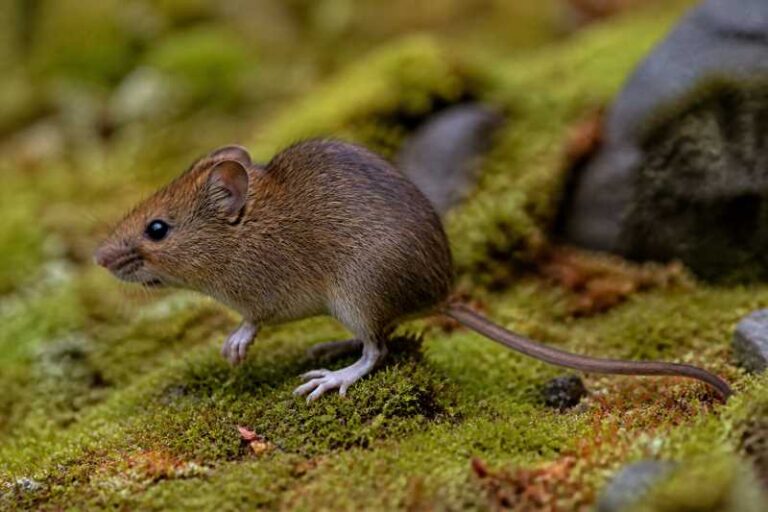
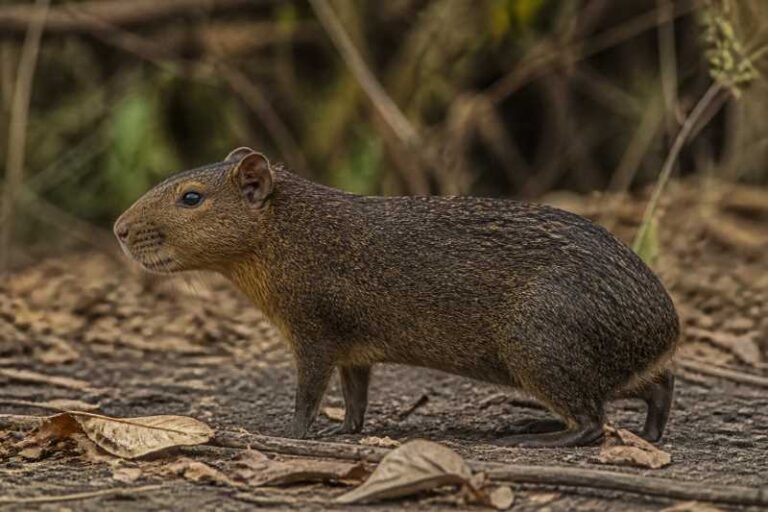
The Roatan Island Agouti is a small to medium-sized rodent, characterized by its sleek, elongated body and relatively short limbs. Weighing between 2 to 4 kilograms, these agoutis have a robust build, allowing them to navigate the dense foliage of their natural habitat with ease.
Distinctive Features
- Fur and Coloration: The Roatan Island Agouti’s fur is coarse and varies in color from reddish-brown to dark brown, with lighter underparts. This coloration provides excellent camouflage against the forest floor.
- Tail and Limbs: They possess a very short tail, almost inconspicuous, and their hind limbs are longer than the forelimbs, aiding in their impressive leaping ability.
- Head and Ears: Their head is relatively small with large, dark eyes and rounded ears, which are adapted for acute hearing.
Range and Habitat
The Roatan Island Agouti is strictly limited to Roatan Island, where it inhabits the island’s tropical and subtropical moist broadleaf forests. This island is characterized by its rich biodiversity, consisting of dense underbrush and numerous fruit-bearing trees that are crucial for the agouti’s survival.
Habitat Preferences
- Forest Floor: Preferring the forest floor, these agoutis are most commonly found in areas with dense vegetation, which provides both food and protection from predators.
- Home Range: They are territorial animals, with males maintaining larger territories than females, which they defend assertively against intruders.
Behavior and Diet
The Roatan Island Agouti is a diurnal creature, most active during the early morning and late afternoon. These rodents are solitary, except during mating periods or when mothers are caring for their young.
Feeding Habits
- Diet: Primarily herbivorous, their diet consists of a variety of fruits, nuts, and seeds. They are known to hoard food, which inadvertently aids in seed dispersal and forest regeneration.
- Foraging: Agoutis employ their sharp incisors to crack open hard shells of nuts, and they are highly skilled at locating buried food caches.
Social Behavior
- Communication: They communicate through a series of vocalizations, body postures, and scent markings, which are used to establish territory and identify potential threats.
- Reproduction: Breeding occurs year-round, with a gestation period of about three months. Females typically give birth to one or two well-developed young, which are weaned after a few months.
Identification Tips (Field Recognition Cues)
Identifying the Roatan Island Agouti in the wild involves observing several key physical and behavioral traits:
- Body Size: Look for a medium-sized rodent with a sleek body and short tail.
- Fur Color: Note the reddish-brown to dark brown fur, providing excellent camouflage.
- Behavior: Observe their unique hopping gait and solitary behavior.
- Vocalizations: Listen for their distinctive calls, which are often heard during early mornings and late afternoons.
Conservation Status (with Threats and Protections)
The Roatan Island Agouti is currently classified as a species of concern due to its limited range and the increasing threats to its habitat.
Threats
- Habitat Destruction: Deforestation for agriculture and urban development poses the most significant threat to their habitat.
- Hunting: Although hunting is not widespread, it remains a potential threat due to the species’ limited population.
Protections
- Conservation Efforts: Local and international conservation organizations are working to protect the Roatan Island Agouti through habitat preservation and public awareness campaigns.
- Legal Protections: Efforts are being made to enforce laws that limit deforestation and protect critical habitats on Roatan Island.
Frequently Asked Questions
What is the Roatan Island Agouti’s primary diet?
The Roatan Island Agouti primarily feeds on fruits, nuts, and seeds, making them vital for seed dispersal and forest regeneration.
How can I identify a Roatan Island Agouti in the wild?
Look for a medium-sized rodent with reddish-brown fur, a short tail, and observe their distinctive hopping gait and solitary behavior.
What threats do Roatan Island Agoutis face?
The main threats to the Roatan Island Agouti include habitat destruction due to deforestation and potential hunting pressures.
Are there any conservation efforts in place for the Roatan Island Agouti?
Yes, there are ongoing conservation efforts aimed at preserving their habitat and raising public awareness about the importance of protecting this unique species.
Why is the Roatan Island Agouti important to the ecosystem?
The Roatan Island Agouti plays a crucial role in seed dispersal, which aids in forest regeneration and maintaining biodiversity on Roatan Island.
Related posts