Introduction
The Chestnut Dunnart, scientifically known as Sminthopsis archeri, is a small marsupial native to Australia. This fascinating creature is part of the Dasyuridae family, which includes several species of carnivorous marsupials. Named in honor of the Australian biologist Michael Archer, the Chestnut Dunnart holds a special place in Australia’s rich biodiversity. Despite its small size, this mammal plays a significant role in its ecosystem as both predator and prey. This article delves into the various aspects of the Chestnut Dunnart’s life, including its physical characteristics, habitat, behavior, and conservation status.
Physical Description
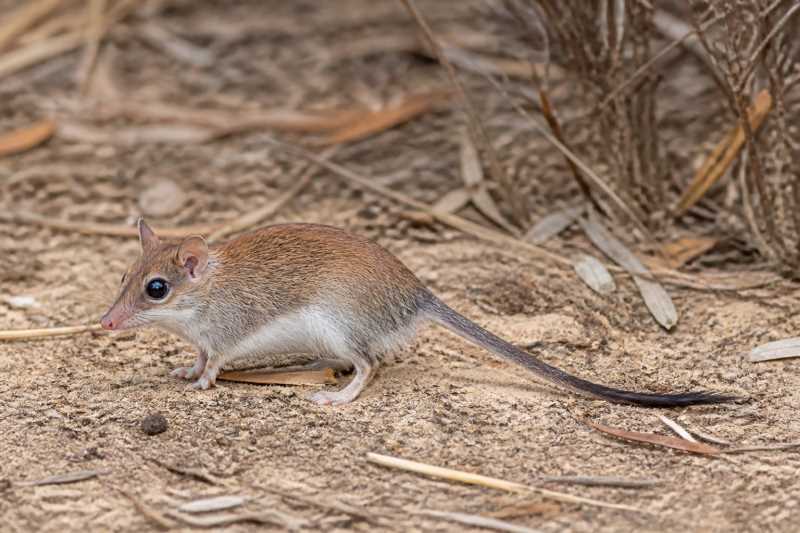
The Chestnut Dunnart is a small, agile marsupial with distinctive physical features that aid in its survival in the wild. Adult Chestnut Dunnarts typically weigh between 15 to 20 grams and measure approximately 80 to 90 millimeters in body length, with a tail that is slightly longer than the body.
Their fur is soft and dense, predominantly chestnut brown in color, which provides excellent camouflage in their natural habitat. The underparts are usually a lighter, creamy color. One of the most striking features of the Chestnut Dunnart is its large, rounded ears, which are adapted for acute hearing, essential for detecting prey and predators alike. Their eyes are also relatively large, providing good night vision, as these creatures are predominantly nocturnal.
Range and Habitat
The Chestnut Dunnart is primarily found in the northern regions of Australia, particularly in the tropical woodlands and savannas of Queensland and the Northern Territory. This species favors habitats with a mixture of grassy undergrowth and scattered trees, which offer both shelter and hunting grounds.
These marsupials are highly adaptable and can thrive in a range of environmental conditions, from dry savannas to more lush, tropical areas. However, they are most commonly associated with areas that have a mix of eucalyptus and acacia trees, which provide both food resources and protection from predators.
Behavior and Diet
The Chestnut Dunnart is a solitary and nocturnal creature, spending the daylight hours resting in nests made of grass or in the leaf litter. They are highly territorial and use scent markings to communicate with other dunnarts and establish their territory.
Their diet consists mainly of insects and small invertebrates, although they are known to consume small vertebrates when available. This carnivorous diet requires the dunnart to be an efficient and agile hunter, using its keen senses of sight and hearing to locate prey. They are also known to store fat in their tails, which they can utilize during times when food is scarce.
Identification Tips (Field Recognition Cues)
Identifying the Chestnut Dunnart in the wild can be challenging due to its small size and nocturnal habits. However, there are several field recognition cues that can aid in its identification:
- Coloration: Look for the distinctive chestnut brown fur on the back and lighter underparts.
- Size and Shape: Note the small body size, long tail, and large, rounded ears.
- Behavior: Observe their quick, darting movements in search of food during the night.
- Habitat: Search in areas with grassy undergrowth and scattered trees in northern Australia.
Conservation Status (with Threats and Protections)
The conservation status of the Chestnut Dunnart is currently listed as Least Concern by the International Union for Conservation of Nature (IUCN). However, this does not mean that the species is free from threats. Habitat loss due to agriculture, urbanization, and mining represents a significant threat to their populations. Additionally, invasive species such as feral cats and foxes pose a predation risk to this small marsupial.
Conservation efforts are focused on habitat preservation and management, as well as controlling invasive species populations. Protected areas and national parks in Australia provide sanctuaries where the Chestnut Dunnart can thrive without the threat of habitat destruction and predation.
Frequently Asked Questions
1. What does the Chestnut Dunnart eat?
Chestnut Dunnarts are primarily insectivorous, feeding on insects and small invertebrates. They occasionally consume small vertebrates when available.
2. Where can I find the Chestnut Dunnart in the wild?
They are found in the northern regions of Australia, particularly in the tropical woodlands and savannas of Queensland and the Northern Territory.
3. How does the Chestnut Dunnart protect itself from predators?
The Chestnut Dunnart uses its camouflage fur and keen senses to avoid predators. It is also highly agile, which helps it escape threats.
4. Are Chestnut Dunnarts endangered?
Currently, they are listed as Least Concern, but they face threats from habitat loss and predation by invasive species.
5. How do Chestnut Dunnarts reproduce?
Chestnut Dunnarts have a short breeding season, with females producing litters of up to eight young, which are carried in a pouch until they are old enough to survive independently.
Related posts