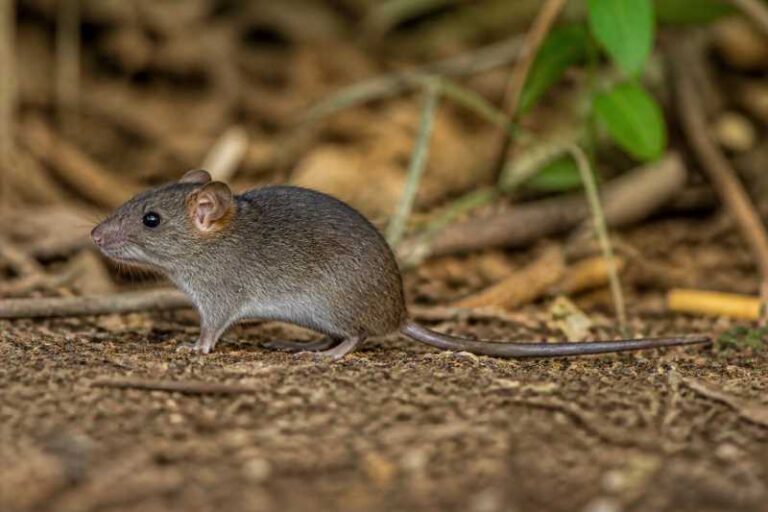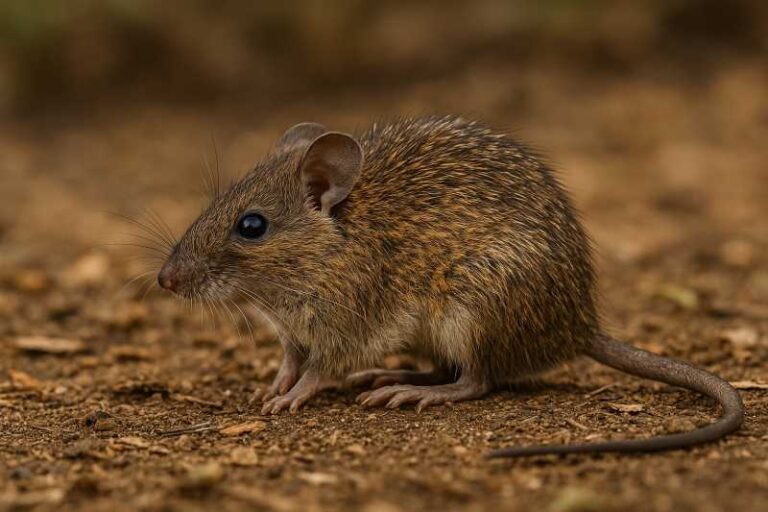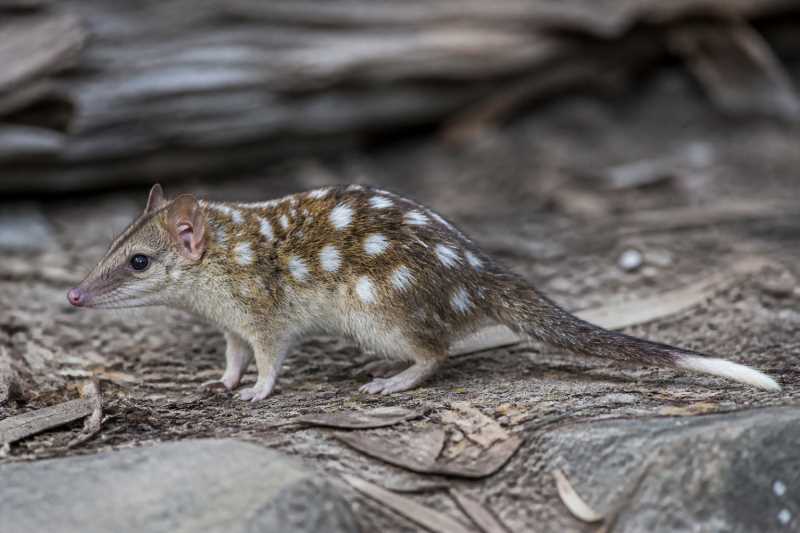
Eastern Long-nosed Dasyure (Murexia tafa)
Introduction
The Eastern Long-nosed Dasyure, scientifically known as Murexia tafa, is a fascinating marsupial native to the region of New Guinea. This species, belonging to the family Dasyuridae, represents a unique link in the ecological chain of its habitat. Known for its distinctive long nose and agile behavior, the Eastern Long-nosed Dasyure plays a crucial role in controlling insect populations and maintaining the ecological balance. This article delves into the intricate details of this captivating mammal, exploring its physical characteristics, habitat preferences, behavioral patterns, and conservation status.
Physical Description
The Eastern Long-nosed Dasyure is a small to medium-sized marsupial, characterized by its slender body and elongated snout. Typically, the body length ranges from 13 to 17 cm, with a tail measuring approximately 12 to 16 cm. The species exhibits sexual dimorphism, with males generally larger than females.
The coat of the Eastern Long-nosed Dasyure is short and dense, predominantly brown with a subtle mix of grey and black tones. This coloration provides effective camouflage against the forest floor, aiding in predator evasion. The underbelly is lighter, often a pale cream or white, which can vary slightly among individuals.
One of the most distinctive features is its long, pointed nose, which it uses adeptly to forage for insects and small invertebrates. Its sharp, small eyes and rounded ears give it a keen sense of hearing and sight, essential for its nocturnal lifestyle. The limbs are strong and equipped with sharp claws, adapted for climbing and digging.
Range and Habitat
The Eastern Long-nosed Dasyure is endemic to New Guinea, inhabiting both Papua New Guinea and the Indonesian province of Papua. It thrives in a variety of ecological zones, ranging from lowland tropical rainforests to montane forests, usually at elevations between 500 and 2,000 meters.
This species prefers dense forest environments, where it can find ample cover and abundant prey. The complex forest structure provides numerous opportunities for climbing and foraging, both of which are crucial for its survival. Occasionally, the Eastern Long-nosed Dasyure may be found in secondary forests and disturbed habitats, indicating a degree of adaptability to changing environmental conditions.
Behavior and Diet
The Eastern Long-nosed Dasyure is primarily nocturnal, spending the night hours actively foraging for food. Its diet consists mainly of insects, small vertebrates, and occasionally fruits. The elongated snout is particularly useful for probing into crevices and under leaf litter to locate hidden prey.
Socially, the Eastern Long-nosed Dasyure is mostly solitary, with individuals coming together only for mating. Communication is facilitated through vocalizations and scent markings, which help in establishing territory and avoiding conflicts.
Breeding occurs once a year, with females giving birth to a litter of up to six young. The young are highly dependent on the mother’s pouch for the first few weeks of life, gradually becoming more independent as they mature.
Identification Tips
Recognizing the Eastern Long-nosed Dasyure in the field requires attention to several key features:
- Long Nose: The most striking feature is the elongated, pointed nose, which distinguishes it from other similar-sized marsupials.
- Coat Color: Look for the brown, grey, and black mottled coat, which provides camouflage in forested environments.
- Size: Measure the body length, noting that it falls within the range of 13 to 17 cm, with a proportionally long tail.
- Behavior: Observe nocturnal activity patterns, as these animals are rarely active during the day.
- Habitat: Confirm sightings in dense forest habitats, particularly in New Guinea’s lowland and montane regions.
Conservation Status
The Eastern Long-nosed Dasyure is currently classified as Least Concern by the International Union for Conservation of Nature (IUCN). However, this status does not imply that the species faces no threats. Habitat destruction, primarily due to logging and agricultural expansion, poses significant risks to their natural environment.
Protection efforts are crucial to preserve the delicate ecosystems of New Guinea. Conservation strategies include habitat protection, legal frameworks to limit deforestation, and community engagement to promote sustainable land use practices. Additionally, further research is needed to monitor population trends and adapt conservation measures accordingly.
Frequently Asked Questions
What is the primary diet of the Eastern Long-nosed Dasyure?
The Eastern Long-nosed Dasyure primarily feeds on insects and small vertebrates, utilizing its long nose to forage in crevices and under leaf litter.
Where can the Eastern Long-nosed Dasyure be found?
This species is endemic to New Guinea, found in both Papua New Guinea and the Indonesian province of Papua, inhabiting tropical and montane forests.
How does the Eastern Long-nosed Dasyure reproduce?
Breeding typically occurs once a year, with females giving birth to litters of up to six young, which remain in the mother’s pouch for the initial weeks of life.
What threats does the Eastern Long-nosed Dasyure face?
The primary threats include habitat destruction due to logging and agricultural expansion, which disrupt their natural forest environments.
How can one identify an Eastern Long-nosed Dasyure in the wild?
Key identification features include its long nose, mottled brown-grey coat, nocturnal activity patterns, and preference for dense forest habitats.
Related posts