Introduction
The Saci Short-tailed Opossum, scientifically known as Monodelphis saci, is a fascinating yet lesser-known marsupial native to South America. This species is a part of the Didelphidae family and is renowned for its adaptability and unique ecological role. Named after the mythical Saci Pererê from Brazilian folklore, the Saci Short-tailed Opossum holds a special place in the rich biodiversity of the Amazonian ecosystem. This article provides an in-depth look at the Saci Short-tailed Opossum’s physical characteristics, habitat, behavior, and conservation status.
Physical Description
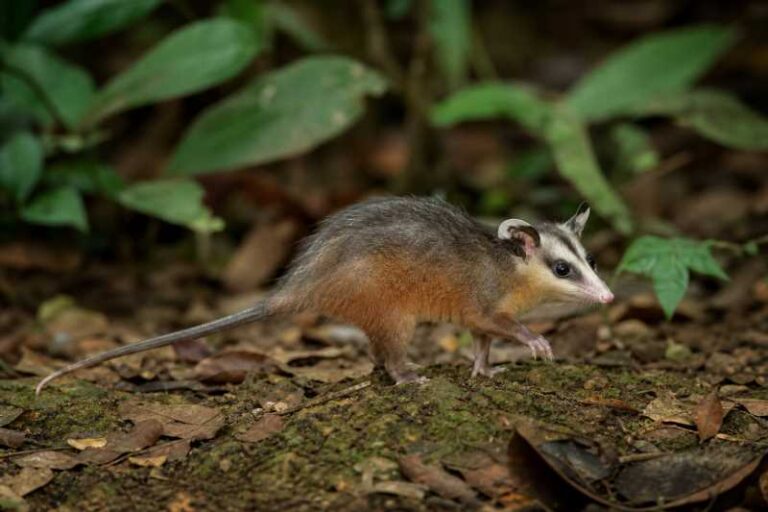
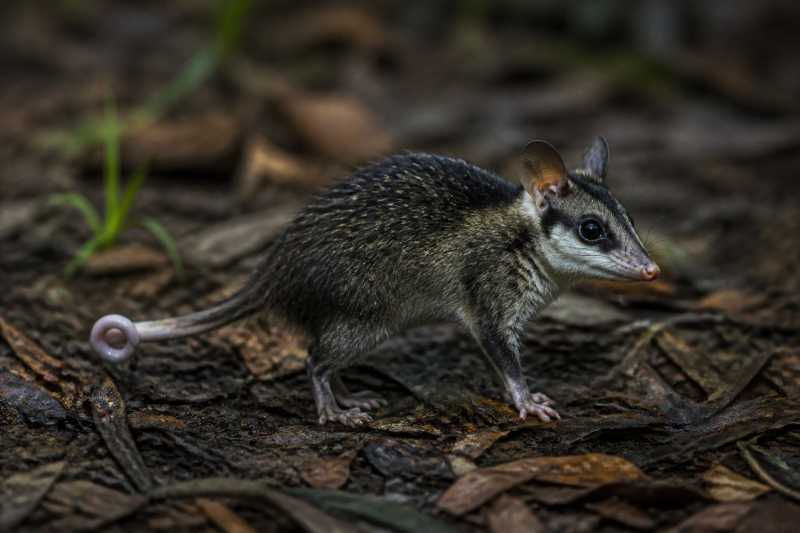
The Saci Short-tailed Opossum is a small, terrestrial marsupial with distinctive physical features. Adults typically measure between 10 to 15 centimeters in body length, with a short tail measuring approximately 5 to 8 centimeters. One of the most notable characteristics is its sleek, dense fur, which is generally a rich reddish-brown color, providing excellent camouflage in its natural habitat. The ventral side tends to be lighter, often displaying a creamy or yellowish hue.
Its head is relatively small and pointed, equipped with sharp teeth that are perfectly adapted for its omnivorous diet. The opossum’s ears are small and rounded, while its eyes are large and dark, reflecting its nocturnal lifestyle. Despite its small size, the Saci Short-tailed Opossum is a robust and agile creature, capable of quick movements through its dense forest environment.
Range and Habitat
The Saci Short-tailed Opossum is predominantly found in the Amazon rainforest, with its range extending across several countries, including Brazil, Peru, and Colombia. It thrives in lowland tropical forests, particularly favoring areas with dense undergrowth and abundant leaf litter, which provide ample cover from predators and a rich supply of food resources.
These opossums are adaptable to a variety of forested environments, from primary rainforests to secondary growth areas, demonstrating a remarkable ability to survive in both undisturbed and altered landscapes. Their presence is often noted in regions with a high degree of biodiversity, contributing to their reputation as important ecological indicators.
Behavior and Diet
The Saci Short-tailed Opossum is primarily nocturnal, spending the majority of its active hours during the night. It is a solitary animal, with individuals typically maintaining and defending their own territories. During the day, they rest in nests made from leaves and other vegetation, often located in hollow logs or burrows.
Their diet is omnivorous and highly varied, consisting of insects, small invertebrates, fruits, and occasionally small vertebrates. This opportunistic feeding behavior allows them to adapt to the seasonal availability of food sources. Their keen sense of smell and sharp, pointed teeth make them efficient foragers, able to exploit a variety of ecological niches within the forest.
Identification Tips (field recognition cues)
Identifying the Saci Short-tailed Opossum in the field can be challenging due to its elusive nature and nocturnal habits. However, several key characteristics can aid in its recognition:
- Size and Tail: Look for a small marsupial with a short, stubby tail, which is less than half the body length.
- Fur Coloration: Note the reddish-brown coloration of the fur, with lighter underparts.
- Behavior: Observe nocturnal activity patterns and solitary behavior.
- Habitat: Search in dense undergrowth and along the forest floor, especially in areas with abundant leaf litter.
- Tracks and Signs: Look for small tracks and signs of foraging, such as disturbed leaf litter and droppings.
Conservation Status (with threats and protections)
As of the latest assessments, the Saci Short-tailed Opossum is not listed as a threatened species by the International Union for Conservation of Nature (IUCN). However, its habitat is under significant pressure from human activities, primarily deforestation and habitat fragmentation due to logging, agriculture, and urban expansion.
Conservation efforts for the Saci Short-tailed Opossum focus on habitat preservation and management. Protected areas within the Amazon basin play a crucial role in safeguarding this species’ habitat. Additionally, initiatives aimed at sustainable land-use practices and raising awareness about the importance of biodiversity are vital to ensuring the long-term survival of this and other Amazonian species.
Frequently Asked Questions
1. What is the main diet of the Saci Short-tailed Opossum? The Saci Short-tailed Opossum is an omnivore, primarily feeding on insects, small invertebrates, fruits, and occasionally small vertebrates. Its diet is highly adaptable, allowing it to thrive in varying ecological conditions.
2. Where can the Saci Short-tailed Opossum be found? This species is native to the Amazon rainforest and can be found in Brazil, Peru, and Colombia. It prefers dense, lowland tropical forests with abundant undergrowth and leaf litter.
3. Is the Saci Short-tailed Opossum endangered? Currently, the Saci Short-tailed Opossum is not considered endangered. However, its habitat is threatened by deforestation and human encroachment, necessitating ongoing conservation efforts.
4. How can you identify a Saci Short-tailed Opossum in the wild? Key identification features include its small size, short tail, reddish-brown fur, and nocturnal habits. Observing these traits in suitable habitats can aid in its identification.
5. What is the significance of the name Saci Short-tailed Opossum? The name is derived from the Brazilian folklore character Saci Pererê, reflecting the opossum’s mystical presence and cultural significance within its native range.
Related posts