Introduction
The Little Woolly Mouse Opossum, scientifically known as Marmosa phaea, is a fascinating marsupial species belonging to the family Didelphidae. This small, nocturnal creature is native to the neotropical regions of South America, where it plays a significant role in the ecosystem as both predator and prey. Despite its diminutive size, the Little Woolly Mouse Opossum has captured the interest of researchers and wildlife enthusiasts alike, due to its unique adaptations and behaviors. Understanding its biology and ecology is crucial for its conservation, as habitat loss and other threats continue to impact its populations.
Physical Description
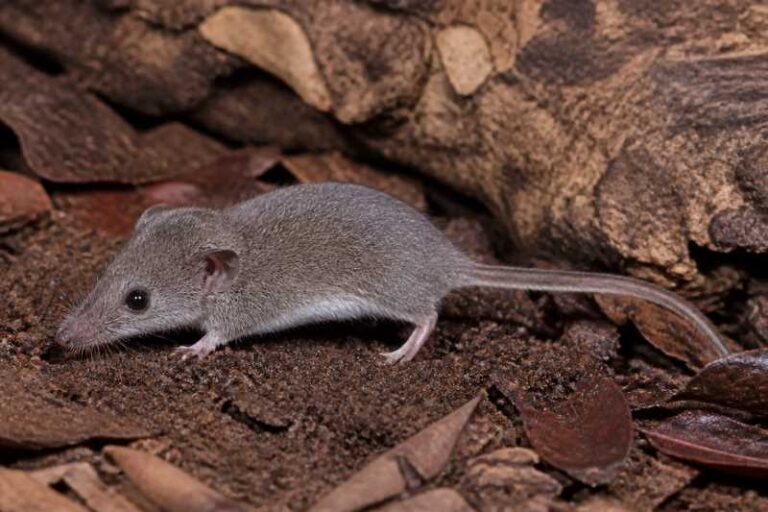
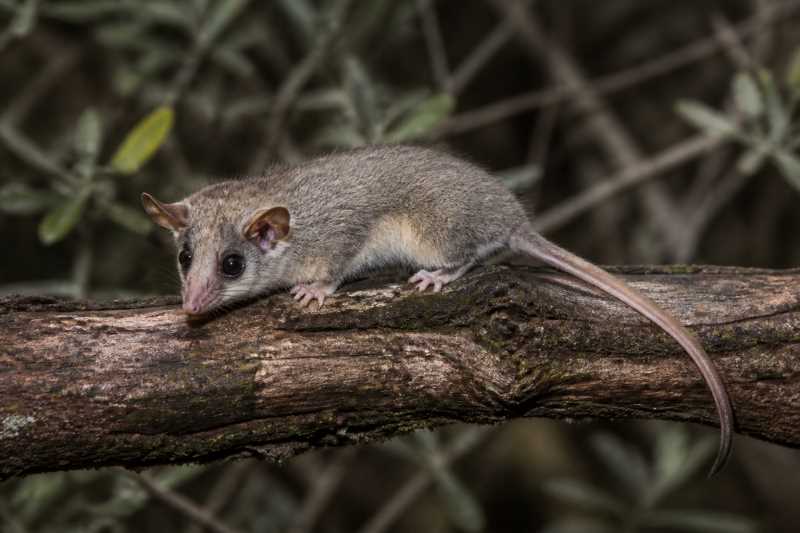
The Little Woolly Mouse Opossum is a small marsupial, with adults typically weighing between 30 to 60 grams and measuring approximately 10 to 15 centimeters in body length, excluding the tail. Its fur is soft and woolly, providing the insulation needed to survive in its native habitats. The coloration of the fur is generally a greyish-brown on the dorsal side, with a lighter, creamy white on the ventral side.
One of the most distinguishing features of Marmosa phaea is its long, prehensile tail, which can be as long as its body. This tail is not only a key adaptation for climbing and balance but also serves as an additional limb when navigating through dense vegetation. The opossum’s large, dark eyes are well-adapted for its nocturnal lifestyle, providing enhanced vision in low-light conditions.
The ears of the Little Woolly Mouse Opossum are relatively large and rounded, aiding in its acute sense of hearing. This species also possesses a sharp snout and a set of small, sharp teeth, which are essential for its omnivorous diet.
Range and Habitat
The Little Woolly Mouse Opossum is primarily found in the tropical and subtropical forests of northwestern South America. Its range includes parts of Colombia, Ecuador, and Peru, where it inhabits both lowland and montane forests up to elevations of about 2,000 meters.
This species demonstrates a preference for dense, humid forests, thriving in environments that provide ample cover and food sources. It is often found in secondary forests and edge habitats, which offer a diversity of plant and insect life. The opossum’s arboreal nature means it is commonly seen in the understory and mid-canopy levels, where it uses its climbing abilities to forage and avoid predators.
Behavior and Diet
The Little Woolly Mouse Opossum is primarily nocturnal, with peak activity occurring during the night when it forages for food. Its omnivorous diet includes a variety of fruits, insects, small vertebrates, and occasionally nectar, making it an important seed disperser within its ecosystem.
This species is solitary, with individuals maintaining separate home ranges. Communication among these opossums is generally limited to scent marking and occasional vocalizations, which are used to establish territory and deter potential rivals.
Reproduction in Marmosa phaea is seasonal, with females giving birth to small litters after a gestation period of about 14 days. The young opossums are altricial, meaning they are born underdeveloped and require significant maternal care. They remain in the mother’s pouch for several weeks before transitioning to independence.
Identification Tips (Field Recognition Cues)
Identifying the Little Woolly Mouse Opossum in the field can be challenging due to its small size and nocturnal habits. However, several key characteristics can aid in recognition:
- Tail: Look for the long, prehensile tail, which is often held in a coiled position when the opossum is at rest.
- Fur Texture: Note the soft, woolly texture of the fur, which distinguishes it from other small mammals.
- Coloration: Observe the greyish-brown dorsal fur contrasting with the lighter ventral side.
- Eyes and Ears: The large, dark eyes and prominent, rounded ears are indicative of its nocturnal lifestyle.
- Behavior: Active mostly at night, these opossums are agile climbers, often seen moving through the mid-canopy.
Conservation Status (with Threats and Protections)
The Little Woolly Mouse Opossum is currently listed as Least Concern by the International Union for Conservation of Nature (IUCN). However, it faces several threats that could impact its populations if not addressed.
Threats
- Habitat Loss: Deforestation for agriculture, logging, and urbanization is the primary threat to this species, leading to fragmentation and degradation of its natural habitat.
- Climate Change: Changes in climate patterns can affect the availability of food and suitable habitat, posing additional challenges for survival.
- Predation: Natural predators, including birds of prey and larger mammals, pose a continual threat to these small marsupials.
Protections
Conservation efforts for the Little Woolly Mouse Opossum include habitat protection and restoration programs. Establishing protected areas and promoting sustainable land-use practices are essential for preserving the forests this species depends on. Additionally, research and monitoring are crucial to understanding population dynamics and the impacts of environmental changes.
Frequently Asked Questions
What is the primary diet of the Little Woolly Mouse Opossum?
The Little Woolly Mouse Opossum is omnivorous, feeding on a variety of fruits, insects, small vertebrates, and nectar. This diverse diet helps it adapt to seasonal changes in food availability.
How does the Little Woolly Mouse Opossum contribute to its ecosystem?
As a seed disperser and insect predator, this opossum plays a vital role in maintaining the ecological balance of its habitat. By spreading seeds, it aids in forest regeneration.
What adaptations help the Little Woolly Mouse Opossum survive in its environment?
Key adaptations include its prehensile tail for climbing, nocturnal vision for nighttime foraging, and woolly fur for insulation. These traits ensure its survival in the dense, humid forests it inhabits.
Are Little Woolly Mouse Opossums endangered?
Currently, the Little Woolly Mouse Opossum is not considered endangered, but habitat loss remains a significant threat. Conservation efforts focus on habitat preservation to prevent future declines.
Where can I observe Little Woolly Mouse Opossums in the wild?
To see these opossums in their natural habitat, visit protected forests in Colombia, Ecuador, or Peru, where they thrive in dense, humid environments.
Related posts