Introduction
Peters’s Pipistrelle, scientifically known as Hypsugo petersi, is a fascinating yet lesser-known species of bat in the Vespertilionidae family. Named in honor of Wilhelm Peters, a notable German naturalist, this species contributes significantly to the ecological balance within its habitat. Despite its small size, the Peters’s Pipistrelle plays a vital role in controlling insect populations, showcasing the intricate interdependencies within ecosystems. This article provides an in-depth look at the various aspects of this intriguing mammal, from its physical characteristics and behavior to its conservation status.
Physical Description
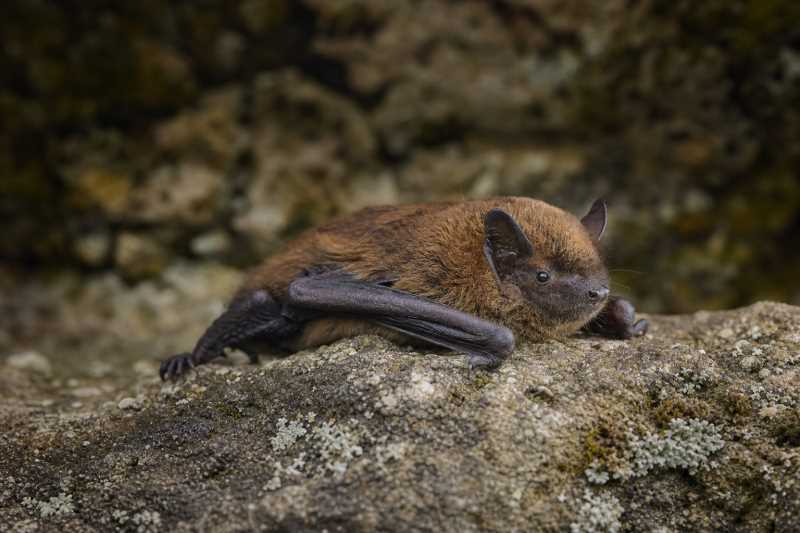
Peters’s Pipistrelle is a small bat species characterized by its compact body and relatively short, rounded ears. The species typically exhibits a forearm length ranging from 32 to 36 mm, making it one of the smaller members of its genus. Its fur is generally soft and dense, with a coloration that varies from reddish-brown to dark brown, providing effective camouflage in its natural surroundings.
The wings of Peters’s Pipistrelle are long and narrow, adapted for agile and swift flight, which is crucial for capturing prey mid-air. Their wing membranes are usually dark and semi-translucent, a common feature among many bat species. The facial structure of Peters’s Pipistrelle includes a slightly upturned nose and small, beady eyes, which are adapted primarily for echolocation rather than vision.
Range and Habitat
Peters’s Pipistrelle is predominantly found in tropical and subtropical regions of Southeast Asia. Its distribution includes countries such as Indonesia, Malaysia, and parts of the Philippines. The species favors habitats that offer plenty of roosting opportunities and ample food supply, typically residing in forested areas, caves, and sometimes in buildings within rural regions.
This bat species thrives in both primary and secondary forests, where it can efficiently forage for insects. The availability of water bodies in its habitat is crucial, as it influences the abundance of insects, which are their primary food source. The adaptability of Peters’s Pipistrelle to various habitats is a testament to its ecological versatility.
Behavior and Diet
Peters’s Pipistrelle is a nocturnal creature, engaging in foraging activities during the night. It relies heavily on echolocation to navigate and locate prey, emitting high-frequency sound waves that bounce off objects and return as echoes. This sophisticated biological sonar system enables the bat to detect insects even in complete darkness.
The diet of Peters’s Pipistrelle primarily consists of small flying insects, including moths, beetles, and mosquitoes. This insectivorous diet makes them critical in controlling insect populations, thus maintaining ecological balance. Their foraging behavior is characterized by swift, agile flight patterns as they snatch prey mid-air.
Peters’s Pipistrelle often roosts in groups, which can range from a few individuals to larger colonies. Social interactions within these groups are complex, with vocalizations playing a significant role in communication among individuals.
Identification Tips (field recognition cues)
Identifying Peters’s Pipistrelle in the field requires keen observation and attention to specific cues. Here are some tips to help with field recognition:
- Size and Shape: Look for a small bat with a forearm length of 32-36 mm and a compact body shape.
- Fur Coloration: Note the reddish-brown to dark brown fur, which aids in blending with the forest environment.
- Echolocation Calls: Listen for the high-frequency calls used for echolocation, which are often beyond human hearing but can be detected with specialized equipment.
- Flight Pattern: Observe the bat’s flight behavior, characterized by quick, agile movements as it hunts for flying insects.
- Roosting Behavior: Look for roosts in forested areas, caves, or rural buildings, often in small groups or colonies.
Conservation Status (with threats and protections)
Peters’s Pipistrelle is currently classified as "Data Deficient" by the International Union for Conservation of Nature (IUCN), indicating that there is insufficient information available to assess its risk of extinction accurately. However, like many bat species, it faces several threats that could impact its populations.
Threats
- Habitat Loss: Deforestation and land conversion for agriculture and urban development pose significant threats to their natural habitats.
- Pollution: The use of pesticides can reduce the availability of insects, their primary food source, and contribute to environmental contamination.
- Climate Change: Changes in climate patterns can affect the availability of prey and suitable roosting sites.
Protections
Efforts to protect Peters’s Pipistrelle include habitat conservation initiatives and legal protections in some regions. Raising awareness about the ecological importance of bats and promoting sustainable land-use practices are essential steps in ensuring the survival of this species.
Frequently Asked Questions
What is the primary diet of Peters’s Pipistrelle?
Peters’s Pipistrelle primarily feeds on small flying insects such as moths, beetles, and mosquitoes, making them crucial for insect population control.
Where can Peters’s Pipistrelle be found?
Peters’s Pipistrelle is found in Southeast Asia, including Indonesia, Malaysia, and parts of the Philippines, typically inhabiting forested areas and rural buildings.
How does Peters’s Pipistrelle use echolocation?
Peters’s Pipistrelle uses echolocation by emitting high-frequency sound waves that bounce off objects, allowing them to navigate and locate prey in darkness.
What are the main threats to Peters’s Pipistrelle?
The primary threats include habitat loss due to deforestation, pollution from pesticides, and climate change, all of which impact their food sources and habitats.
How can we help conserve Peters’s Pipistrelle?
Conservation efforts include promoting habitat protection, sustainable land use practices, and raising awareness about the ecological importance of bats.
Related posts