Introduction
Feiler’s Rat, scientifically known as Rattus feileri, is a fascinating mammal species that has piqued the interest of researchers and wildlife enthusiasts alike. Endemic to Southeast Asia, this species contributes significantly to the ecological fabric of its natural habitat. Understanding its physical attributes, habitat preferences, and behavioral patterns is essential for conservation efforts and fostering a greater appreciation of biodiversity.
Feiler’s Rat is a member of the Muridae family, which encompasses a wide range of rodent species, including the common domestic rat. Despite sharing a family lineage, Feiler’s Rat boasts unique characteristics and ecological roles, distinguishing it from its relatives. This article will delve into the specifics of Rattus feileri, offering a comprehensive overview of this intriguing mammal species.
Physical Description
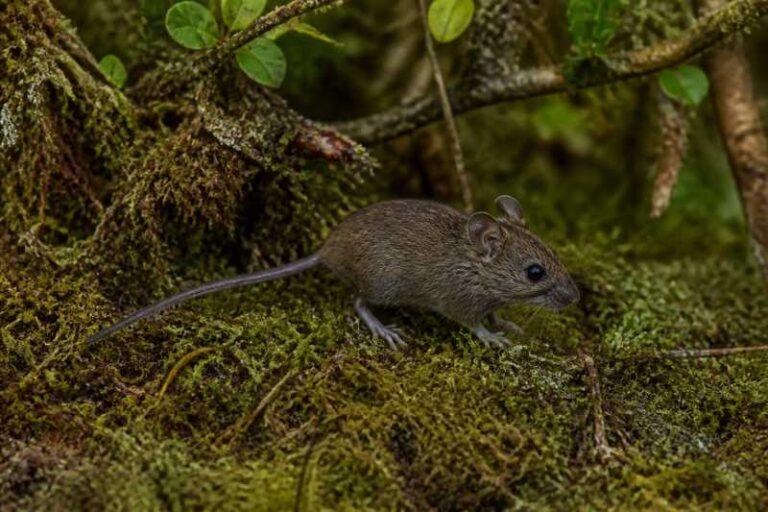
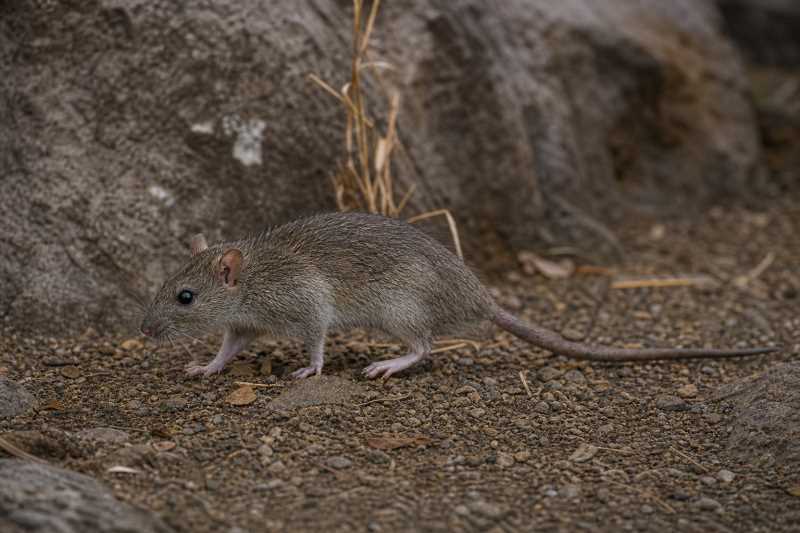
Feiler’s Rat possesses a distinct appearance that sets it apart from other rodent species. Typically, these rats have a robust body covered in soft, dense fur, which can vary in color from light gray to a darker brown hue, providing effective camouflage in their natural habitat. They have a sleek, elongated body measuring approximately 18 to 25 centimeters in length, excluding the tail, which adds an additional 15 to 22 centimeters.
The ears of Rattus feileri are relatively large and rounded, aiding in excellent auditory perception. Their eyes are prominent and black, providing acute vision that is crucial for nocturnal activities. The whiskers, or vibrissae, are long and sensitive, allowing Feiler’s Rat to navigate through its environment with precision.
In terms of dentition, like other rodent species, Feiler’s Rat has continuously growing incisors that are essential for gnawing. This dental adaptation enables them to feed on a variety of materials, from plant matter to small insects.
Range and Habitat
Feiler’s Rat is primarily found in the dense forests and mountainous regions of Southeast Asia, particularly in areas such as Myanmar and Thailand. These regions provide the ideal habitat for Feiler’s Rat, offering ample food resources and shelter.
The species thrives in humid, tropical climates where the vegetation is dense, and the forest floor is rich in leaf litter and fallen logs. Such environments offer an abundance of hiding places from predators and nesting sites for rearing young. Feiler’s Rats are also known to inhabit secondary forests and areas that have experienced some degree of human disturbance, showcasing their adaptability to changing environments.
Behavior and Diet
Feiler’s Rat is predominantly nocturnal, engaging in most of its activities under the cover of darkness. This nocturnal behavior helps minimize predation risks and allows them to forage with decreased competition from diurnal species. They are solitary creatures, primarily interacting with others during the breeding season.
The diet of Rattus feileri is omnivorous, consisting of a variety of food sources. They primarily consume seeds, fruits, and leaves, but their diet can also include insects, small invertebrates, and even carrion when available. This varied diet reflects their adaptability and opportunistic feeding habits.
Breeding occurs throughout the year, with females capable of producing several litters annually. Each litter typically consists of four to seven offspring, which are born blind and helpless but grow rapidly under the care of their mother.
Identification Tips (field recognition cues)
Identifying Feiler’s Rat in the wild can be challenging due to its elusive nature and similarities to other rodent species. However, certain features can aid in its identification:
- Size and Shape: Look for a medium-sized rodent with a body length of 18 to 25 cm, not including the tail.
- Fur Coloration: Note the gray to brown fur, which provides effective camouflage in forested environments.
- Tail Length: The tail is often longer than the body, measuring 15 to 22 cm, and is covered in fine scales.
- Ear Size: The relatively large, rounded ears are a distinguishing feature.
- Behavior: Observing nocturnal activity patterns can also help in identification.
Conservation Status (with threats and protections)
The conservation status of Feiler’s Rat is not well-documented, largely due to its elusive nature and the limited scope of field studies. However, like many forest-dwelling species, Rattus feileri faces several threats that could impact its population.
Threats
- Habitat Loss: Deforestation for agriculture, logging, and urbanization poses a significant threat to their natural habitat.
- Predation: Natural predators, including birds of prey and larger mammals, pose a constant threat.
- Human Activity: Increased human activity in their habitats can lead to disturbed ecosystems and reduced food availability.
Protections
Conservation efforts for Feiler’s Rat require a focus on habitat preservation. Protecting forested areas and promoting sustainable land-use practices are critical steps in ensuring the survival of this species. Additionally, further research into their ecology and population dynamics can inform more targeted conservation strategies.
Frequently Asked Questions
What is the typical diet of Feiler’s Rat?
Feiler’s Rat has an omnivorous diet, primarily consisting of seeds, fruits, and leaves. They also consume insects, small invertebrates, and carrion when available, showcasing their adaptability in feeding.
Where can Feiler’s Rat be found in the wild?
Feiler’s Rat is found in the dense forests and mountainous regions of Southeast Asia, particularly in Myanmar and Thailand. They thrive in humid, tropical climates with dense vegetation and rich forest floors.
How can I identify Feiler’s Rat in its natural habitat?
To identify Feiler’s Rat, look for a medium-sized rodent with gray to brown fur, a long tail, and large, rounded ears. Observing nocturnal behavior can also aid in identification.
What are the main threats to Feiler’s Rat?
The main threats to Feiler’s Rat include habitat loss due to deforestation, predation by natural predators, and disturbances from human activity, which impact their food availability and ecosystem stability.
Why is it important to conserve Feiler’s Rat?
Conserving Feiler’s Rat is crucial for maintaining biodiversity and ecological balance in their natural habitats. Protecting this species helps preserve the integrity of the forest ecosystems they inhabit.
Related posts