Introduction
The Mount Anacuao Tree Mouse, scientifically known as Musseromys anacuao, is a fascinating rodent species endemic to the Philippines. This small, arboreal mammal is part of the family Muridae and represents one of the unique biodiversity components of the Southeast Asian island ecosystems. Discovered relatively recently, the Mount Anacuao Tree Mouse is not only a subject of scientific interest but also a symbol of the rich, yet vulnerable, natural heritage of its habitat.
In this article, we delve into the physical characteristics, habitat, behavior, and conservation status of the Mount Anacuao Tree Mouse. This comprehensive overview aims to provide valuable insights for researchers, conservationists, and nature enthusiasts interested in this remarkable species.
Physical Description
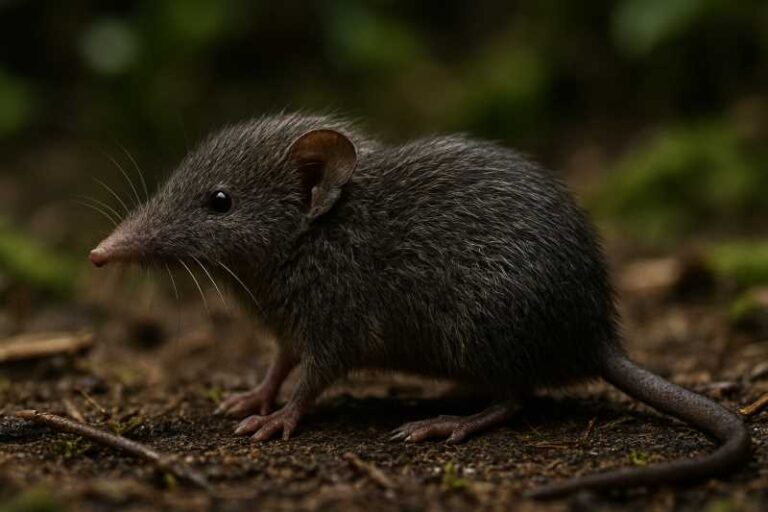
The Mount Anacuao Tree Mouse is a small, agile rodent with distinct morphological features that facilitate its arboreal lifestyle. Typically, adults weigh between 20 to 30 grams and measure approximately 10 to 13 centimeters in body length, with a slightly longer tail that aids in balance and navigation through the treetops.
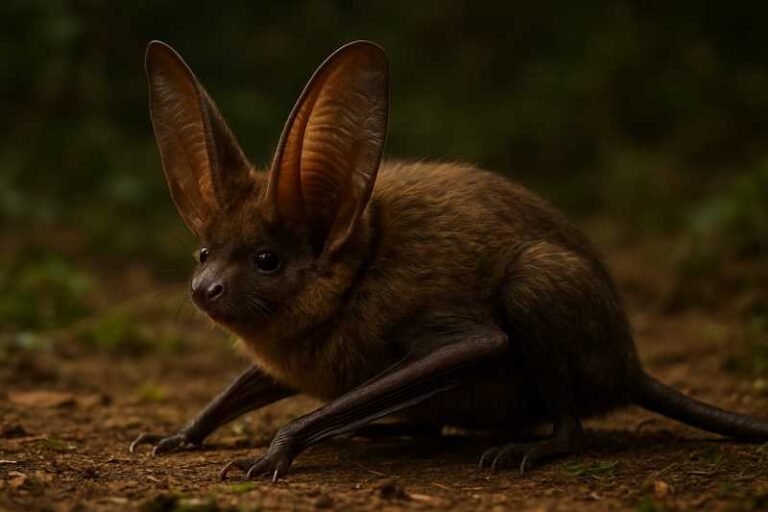
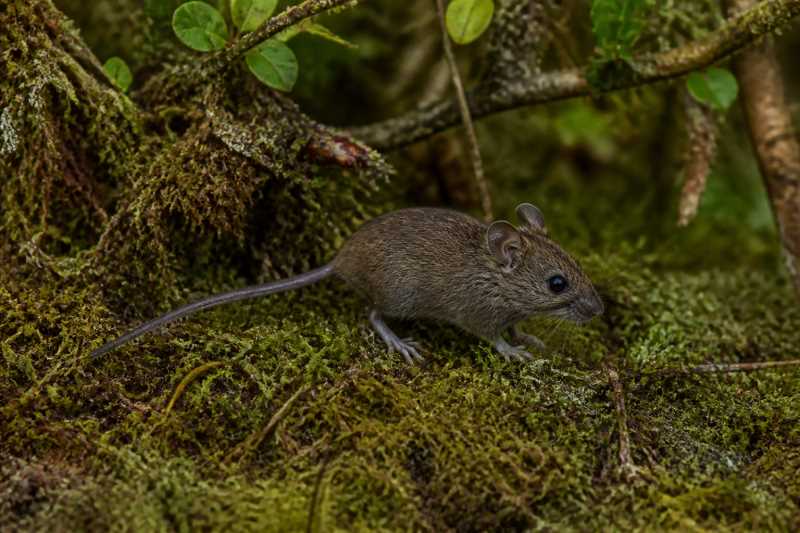
The fur of Musseromys anacuao is soft and dense, with a coloration that ranges from a deep grayish-brown on the dorsal side to a lighter gray or white underbelly. This coloration provides excellent camouflage among the tree branches and foliage. The mouse’s large, rounded ears and prominent, dark eyes are adaptations for enhanced auditory and visual acuity, crucial for detecting predators and foraging in low-light conditions.
The species’ limbs are equipped with sharp claws and specialized pads, enabling it to grasp branches securely and move with agility through its arboreal environment. These physical adaptations underscore the Mount Anacuao Tree Mouse’s niche as an arboreal rodent, perfectly suited to life in the forest canopy.
Range and Habitat
Musseromys anacuao is endemic to the Philippine island of Luzon, specifically in the mountainous regions of Mount Anacuao, after which it is named. Its habitat primarily consists of montane and mossy forests, typically found at elevations ranging from 1,200 to 2,000 meters above sea level.
The dense forest canopy provides an ideal setting for the Mount Anacuao Tree Mouse, offering abundant food resources and ample cover from predators. The forest’s rich biodiversity also fosters a complex ecosystem where the tree mouse plays a vital role in seed dispersal and as part of the food web.
The region’s climate, characterized by high humidity and significant rainfall, supports lush vegetation, which is crucial for the survival of arboreal species like Musseromys anacuao. However, this specialized habitat is increasingly threatened by human activities, which will be discussed further in the conservation section.
Behavior and Diet
The Mount Anacuao Tree Mouse exhibits nocturnal behavior, primarily active during the night when it forages for food. Its diet is omnivorous, consisting mainly of fruits, seeds, and insects, which are abundant in its natural habitat. This varied diet not only provides essential nutrients but also aids in the dispersal of seeds, contributing to forest regeneration.
Socially, Musseromys anacuao is believed to be solitary or found in small family groups. Its social structure and reproductive behavior are not well-documented, which presents an intriguing area for further research. Observations suggest that its arboreal lifestyle is highly adapted to avoiding predators, with the mouse using its sharp senses and quick movements to navigate and escape threats.
The tree mouse is also known for its vocalizations, which are used for communication within the species. These calls are essential for mating and territorial behaviors, further illustrating the complexity of its ecological interactions.
Identification Tips (Field Recognition Cues)
Identifying the Mount Anacuao Tree Mouse in the wild can be challenging due to its elusive nature and the dense forest habitat it occupies. However, several key characteristics can aid in field identification:
- Size and Shape: Look for a small, slender rodent with a body length of 10 to 13 cm and a distinctive long tail.
- Fur Coloration: Note the grayish-brown dorsal fur and lighter underbelly, which distinguish it from other rodents.
- Ears and Eyes: The mouse has large, rounded ears and prominent dark eyes that are adapted for nocturnal activity.
- Arboreal Behavior: Observations of agile movement through tree branches and use of sharp claws for climbing are indicative of this species.
- Vocalizations: Listen for high-pitched calls at night, which are typical of Musseromys anacuao.
Conservation Status (with Threats and Protections)
The conservation status of the Mount Anacuao Tree Mouse is currently categorized as Data Deficient by the International Union for Conservation of Nature (IUCN). This classification reflects the limited information available on the species’ population size and trends, which are critical for accurate assessment.
Threats:
- Habitat Loss: Deforestation due to agricultural expansion, logging, and infrastructure development poses the most significant threat to the mouse’s habitat.
- Climate Change: Alterations in weather patterns can affect food availability and the integrity of forest ecosystems.
- Human Encroachment: Increased human activity in mountainous areas can lead to habitat fragmentation and increased predation risk.
Protections:
Efforts to conserve the Mount Anacuao Tree Mouse focus on habitat protection and restoration. The establishment of protected areas and the implementation of sustainable land-use practices are crucial. Further research is needed to understand its ecology and develop targeted conservation strategies.
Frequently Asked Questions
What is the habitat of the Mount Anacuao Tree Mouse?
The Mount Anacuao Tree Mouse inhabits montane and mossy forests in the mountainous regions of Luzon, Philippines, at elevations of 1,200 to 2,000 meters.
How does the Mount Anacuao Tree Mouse contribute to its ecosystem?
As an omnivore, it aids in seed dispersal and serves as prey in the food web, playing a vital role in forest ecology and regeneration.
What are the main threats to the Mount Anacuao Tree Mouse?
The primary threats include habitat loss due to deforestation, climate change impacts, and human encroachment leading to habitat fragmentation.
How can I identify a Mount Anacuao Tree Mouse in the wild?
Look for its small size, grayish-brown fur, large ears, and agile arboreal movements. Listen for its nocturnal vocalizations.
What conservation measures are in place for the Mount Anacuao Tree Mouse?
Conservation efforts focus on habitat protection through the establishment of protected areas and promoting sustainable land use practices.
Related posts