Introduction
Louise’s Spiny Mouse, scientifically known as Acomys louisae, is a captivating species within the family Muridae. This small mammal is renowned for its distinctive spiny fur and fascinating behavior, making it a subject of interest for both researchers and wildlife enthusiasts. Native to certain regions of the Middle East, Louise’s Spiny Mouse plays a significant role in its ecosystem. In this comprehensive article, we delve into the various aspects of this unique mammal, from its physical characteristics to its conservation status.
Physical Description
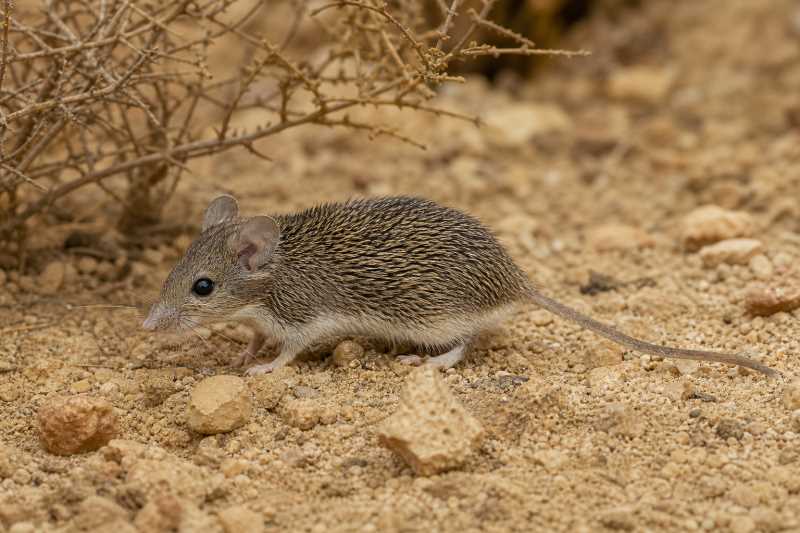
Louise’s Spiny Mouse is a small rodent characterized by its unique spiny coat, which serves as a protective mechanism against predators. Typically, the mouse measures between 9 to 12 centimeters in body length, with a tail that adds an additional 7 to 10 centimeters. The spines, which are modified hairs, are most prominent on the back and are interspersed with softer fur. These spines vary in color from gray to brown, providing effective camouflage within their natural habitat.
The mouse’s underbelly is usually lighter, often a pale cream or white, which contrasts with the darker dorsal fur. Louise’s Spiny Mouse possesses large, dark eyes adapted for nocturnal activity, and its ears are relatively large, aiding in acute hearing. Their limbs are slender, and they have five toes on each foot, with the hind feet being slightly larger to facilitate efficient movement.
Range and Habitat
Louise’s Spiny Mouse is predominantly found in arid and semi-arid regions of the Middle East, including parts of Saudi Arabia, Jordan, and Israel. These mice are well-adapted to desert life, thriving in rocky terrains and dry, scrubby habitats. They prefer areas with sparse vegetation, which provides cover and nesting materials, yet allows for easy movement across the terrain.
The adaptability of Louise’s Spiny Mouse to such harsh environments is remarkable. They are often found in areas where temperatures can fluctuate drastically between day and night, showcasing their resilience and ability to survive with limited water resources. This adaptability also highlights the importance of preserving their natural habitat, which is increasingly threatened by human activities.
Behavior and Diet
Louise’s Spiny Mouse is primarily nocturnal, spending the daylight hours in burrows or shaded areas to avoid the extreme heat of their desert habitat. Their social structure is typically solitary, although they may be found in small groups during breeding seasons or in areas with abundant resources.
The diet of Louise’s Spiny Mouse is omnivorous, consisting of seeds, insects, and plant materials. Their ability to utilize a wide range of food sources is a key factor in their survival, especially in the resource-scarce environments they inhabit. These mice have been observed to store food in their burrows, a behavior that ensures a reliable food supply during periods of scarcity.
Identification Tips
Recognizing Louise’s Spiny Mouse in the field involves several key identification cues:
- Spiny Fur: Look for the characteristic spiny dorsal fur, which is a defining feature of the species.
- Coloration: Note the brownish-gray coloration on the back and the lighter underbelly.
- Size and Shape: Observe the small size, with a body length of 9 to 12 centimeters and a proportionally long tail.
- Large Eyes and Ears: Their large, dark eyes and prominent ears are adapted for nocturnal activity and acute hearing.
- Habitat: They are usually found in arid, rocky environments, so location can be a helpful clue.
Conservation Status
The conservation status of Louise’s Spiny Mouse is currently listed as "Least Concern" by the International Union for Conservation of Nature (IUCN). However, this does not mean the species is free from threats. Habitat destruction due to urban expansion, agricultural development, and climate change poses significant risks to their natural environments.
Conservation efforts are focused on habitat preservation and monitoring population trends. Protected areas and nature reserves in regions where Louise’s Spiny Mouse is found play a crucial role in maintaining stable populations. Continued research and awareness are essential to ensure these mice continue to thrive in their native habitats.
Frequently Asked Questions
1. What do Louise’s Spiny Mice eat in the wild?
Louise’s Spiny Mice are omnivorous, feeding on a diet that includes seeds, insects, and various plant materials. Their ability to consume a wide range of food sources helps them survive in arid environments where food can be scarce.
2. How do Louise’s Spiny Mice adapt to desert environments?
These mice have several adaptations for desert living, including nocturnal behavior to avoid daytime heat, spiny fur for protection, and the ability to survive with minimal water intake by obtaining moisture from their food.
3. Where can Louise’s Spiny Mouse be found?
They are native to parts of the Middle East, particularly in arid and semi-arid regions of Saudi Arabia, Jordan, and Israel, where they inhabit rocky and dry scrubland environments.
4. Are Louise’s Spiny Mice endangered?
Currently, they are not considered endangered and are classified as "Least Concern" by the IUCN. However, their habitats face threats from human activities, necessitating ongoing conservation efforts.
5. How do you identify Louise’s Spiny Mouse in the wild?
Key identification features include their spiny dorsal fur, brownish-gray coloration, large eyes and ears, and their presence in arid, rocky habitats.
Related posts