Introduction
The Eurasian Forest Dormouse (Dryomys nitedula) is a charming, small mammal found across a wide range of territories in Europe and Asia. Known for its arboreal lifestyle and nocturnal habits, this species belongs to the family Gliridae, which includes other dormice. The Eurasian Forest Dormouse is a vital part of its ecosystem, contributing to seed dispersion and serving as prey for several predators. Its elusive nature and unique adaptations make it a fascinating subject of study for nature enthusiasts and researchers alike.
Physical Description
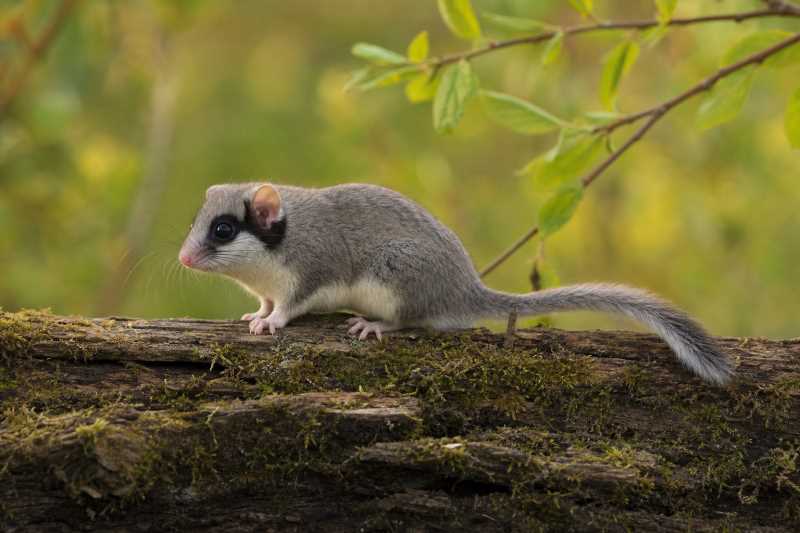
The Eurasian Forest Dormouse is a small rodent, measuring about 8 to 10 centimeters in body length, with a bushy tail that adds an additional 6 to 8 centimeters. This species typically weighs between 15 to 40 grams. It has a compact, rounded body covered in soft, dense fur, which is usually a reddish-brown or greyish-brown on the back and white or cream on the underside. Its large, black eyes and protruding ears are characteristic features, providing enhanced sensory capabilities essential for its nighttime activities. The tail is not only a balancing tool but also plays a role in thermoregulation.
Range and Habitat
Eurasian Forest Dormice are distributed across a vast range, spanning from Western Europe to parts of Central Asia. Their range includes countries such as France, Germany, Italy, Poland, Ukraine, and extending to parts of Russia, Turkey, and Iran. Preferred habitats include deciduous and mixed forests where they can find plenty of tree cover for nesting and foraging. These dormice are also found in shrublands and occasionally in gardens and orchards, reflecting their adaptability to various environments.
Behavior and Diet
Primarily nocturnal, the Eurasian Forest Dormouse is most active during the night. It spends much of its time in trees, where it skillfully navigates the branches in search of food and shelter. The dormouse is known for its hibernation habits, typically entering a state of torpor from late autumn until spring, depending on the climate of the region.
Their diet is omnivorous, consisting of a variety of foods including fruits, nuts, seeds, insects, and small invertebrates. During the summer months, they are particularly fond of berries and other forest fruits, which provide essential nutrients and energy reserves for the long hibernation period.
Identification Tips (field recognition cues)
Identifying the Eurasian Forest Dormouse in the wild can be challenging due to its nocturnal and arboreal nature. However, some key identification cues include:
- Body Size and Shape: Look for a small, mouse-like body with a bushy tail.
- Fur Coloring: Note the reddish-brown to greyish-brown dorsal fur and white or cream ventral fur.
- Eye and Ear Features: Large, dark eyes and prominent ears are distinctive.
- Behavior: Observe its movement; it is agile and often found climbing in dense tree canopies.
Conservation Status (with threats and protections)
The Eurasian Forest Dormouse is currently listed as Least Concern on the IUCN Red List. However, it faces several threats that could impact its population in the future. Habitat loss due to deforestation and land-use changes is a significant concern, as it reduces the availability of suitable nesting sites and food resources. Additionally, climate change poses a threat by altering the dormouse’s hibernation patterns and food availability.
Conservation efforts include habitat restoration and protection, as well as legal protections in some regions to prevent hunting and capture. Monitoring populations and promoting research into their ecology and behavior are also vital to ensure their continued survival.
Frequently Asked Questions
What is the lifespan of a Eurasian Forest Dormouse? Eurasian Forest Dormice typically live for about 3 to 5 years in the wild. Their lifespan can be influenced by factors such as predation, food availability, and environmental conditions.
How does the Eurasian Forest Dormouse hibernate? This species enters a state of hibernation during the colder months, typically from October to April, depending on the local climate. They build nests in tree cavities or underground burrows where they remain inactive, relying on stored body fat for energy.
What predators threaten the Eurasian Forest Dormouse? Natural predators include birds of prey, such as owls and hawks, as well as mammals like foxes and domestic cats. Their nocturnal lifestyle and arboreal habits help them avoid many of these threats.
How can I help in conserving the Eurasian Forest Dormouse? Supporting conservation organizations, advocating for forest protection, and participating in citizen science projects are all ways to contribute to the conservation of this species.
Are Eurasian Forest Dormice kept as pets? While some people may attempt to keep dormice as pets, it is not recommended due to their specific habitat and dietary needs. Additionally, in many regions, it is illegal to capture and keep wild dormice.
Related posts