Introduction
Lewis’s Tuco-tuco, scientifically known as Ctenomys lewisi, is a fascinating rodent species belonging to the family Ctenomyidae. This elusive creature is a member of the genus Ctenomys, which is commonly referred to as tuco-tucos. These burrowing rodents are predominantly found in South America, where they contribute significantly to the ecosystem by influencing soil composition and structure.
Lewis’s Tuco-tuco is a lesser-known species within the Ctenomys genus, characterized by its unique adaptations to subterranean life. The study of this species provides insight into the evolutionary biology and ecology of burrowing mammals. This article delves into various aspects of Lewis’s Tuco-tuco, including its physical characteristics, habitat, behavior, and conservation status, providing a comprehensive understanding of this intriguing mammal.
Physical Description
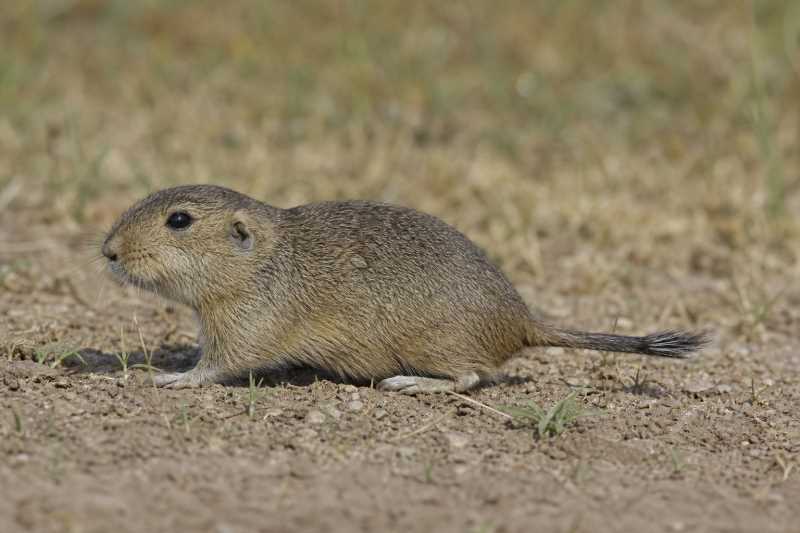
Lewis’s Tuco-tuco is a small to medium-sized rodent, typically measuring around 20-25 cm in length, with a tail length of approximately 6-8 cm. The species exhibits a robust and cylindrical body shape, well-suited for a life spent largely underground. These rodents have short, powerful limbs equipped with strong claws, which are essential for digging extensive burrow systems.
The fur of Lewis’s Tuco-tuco is soft and dense, providing insulation against the temperature fluctuations within their burrow habitats. The coloration of their fur ranges from a light brown to a darker, more muted brown, which helps them blend into the soil and avoid predators. Their eyes are relatively small and adapted to low-light conditions, a common trait among subterranean animals.
One of the most distinctive features of Lewis’s Tuco-tuco is its large, ever-growing incisors, which are crucial for gnawing through roots and other underground obstacles. These teeth are also used for defense against predators. The dental structure of tuco-tucos is a key adaptation that supports their fossorial lifestyle.
Range and Habitat
Lewis’s Tuco-tuco is endemic to specific regions in South America, with its range primarily confined to the grasslands and savannas of Argentina. These rodents are highly specialized for life underground and are found in areas with loose, sandy soils, which facilitate their burrowing activities.
Their habitat is characterized by open landscapes with sparse vegetation, allowing them to create complex tunnel systems without excessive obstruction from plant roots. These burrow systems are not only crucial for the tuco-tuco’s survival but also play a significant role in aerating the soil and enhancing nutrient cycling within their ecosystem.
Although they are adapted to a subterranean lifestyle, Lewis’s Tuco-tucos may occasionally emerge from their burrows, primarily during the early morning or late afternoon hours, to forage for food or disperse to new locations. Their presence is often indicated by the small mounds of earth they leave behind as they excavate their tunnels.
Behavior and Diet
The behavioral patterns of Lewis’s Tuco-tuco are intrinsically linked to their subterranean existence. They are predominantly solitary creatures, with each individual occupying its own burrow system. These burrows serve as protection from predators and extreme weather conditions, as well as a means of accessing food resources.
Lewis’s Tuco-tucos are herbivorous, feeding primarily on roots, tubers, and other underground plant materials. Their diet is supplemented by grasses and seeds, which they may gather during brief surface excursions. The ability to consume and metabolize fibrous plant materials is a critical adaptation, allowing them to thrive in environments where other food sources are scarce.
Communication among Lewis’s Tuco-tucos is primarily through vocalizations, which can be heard even from above ground. These sounds are used for territory defense, mating calls, and alerting others to potential threats. The name ‘tuco-tuco’ is derived from these distinctive vocalizations.
Identification Tips (Field Recognition Cues)
Identifying Lewis’s Tuco-tuco in the field can be challenging due to their elusive nature and preference for staying underground. However, certain cues can aid in their identification:
- Burrow Entrances: Look for small, rounded mounds of soil, which indicate the entrance to a tuco-tuco’s burrow. These mounds are typically spaced apart, reflecting the extent of their tunnel systems.
- Vocalizations: Listen for the characteristic ‘tuco-tuco’ calls, especially during early morning or late afternoon. These sounds can help locate their presence even when visual sightings are rare.
- Habitat: Focus on regions with sandy soils in open grasslands or savannas, as these are preferred habitats for Lewis’s Tuco-tuco.
- Fur and Size: If an individual is spotted, note the soft, brownish fur and medium size, along with their distinctive incisors and strong limbs.
Conservation Status (With Threats and Protections)
The conservation status of Lewis’s Tuco-tuco has not been extensively studied, and as such, it is currently listed as Data Deficient by the International Union for Conservation of Nature (IUCN). However, like many subterranean species, they face several potential threats that could impact their populations.
Threats:
- Habitat Destruction: The conversion of grasslands to agricultural land reduces suitable habitats for burrowing and foraging.
- Soil Compaction: Agricultural practices and livestock grazing lead to soil compaction, making burrowing difficult for tuco-tucos.
- Climate Change: Alterations in precipitation patterns and temperature can affect the availability of food resources and suitable habitats.
Protections:
- Protected Areas: Ensuring the preservation of natural grasslands through the establishment of protected areas can safeguard habitats.
- Research and Monitoring: Conducting ecological studies to better understand their population dynamics, distribution, and ecological roles can inform conservation strategies.
Efforts to conserve Lewis’s Tuco-tuco must focus on habitat preservation and understanding the ecological factors that influence their survival.
Frequently Asked Questions
Why is this species unique?
Lewis’s Tuco-tuco is unique due to its highly specialized adaptations for a subterranean lifestyle. These adaptations include powerful digging limbs, ever-growing incisors, and vocal communication methods. Their ecological role in soil aeration and nutrient cycling further distinguishes them within their habitat.
How do Lewis’s Tuco-tucos contribute to the ecosystem?
As burrowing rodents, Lewis’s Tuco-tucos play a crucial role in soil aeration and nutrient distribution. Their digging activities help maintain soil health, promote plant growth, and create habitats for other organisms. This ecological contribution highlights their importance in maintaining grassland ecosystems.
What are the main threats to Lewis’s Tuco-tuco?
The primary threats to Lewis’s Tuco-tuco include habitat destruction due to agriculture, soil compaction from livestock, and climate change affecting their food and habitat availability. Conservation efforts must address these threats to ensure their survival.
How can conservation efforts be improved for this species?
Improving conservation efforts for Lewis’s Tuco-tuco involves habitat preservation, establishing protected areas, and conducting research to understand their ecological needs. Public awareness and policy measures can also play a role in safeguarding their habitats.
Are Lewis’s Tuco-tucos social animals?
Lewis’s Tuco-tucos are predominantly solitary, with each individual maintaining its own burrow system. While they are not social in the traditional sense, they communicate through vocalizations, especially during mating seasons or territory disputes.
Related posts