Desert Cottontail (Sylvilagus audubonii): A Comprehensive Guide
Introduction
The Desert Cottontail, scientifically known as Sylvilagus audubonii, is a fascinating species of rabbit that thrives in arid environments. Named after the renowned naturalist John James Audubon, this species is an integral part of the ecosystems it inhabits, offering insights into the adaptability and resilience of wildlife in desert landscapes. This article delves into the physical characteristics, habitat, behavior, and conservation status of the Desert Cottontail, providing a comprehensive understanding of this remarkable creature.
Physical Description
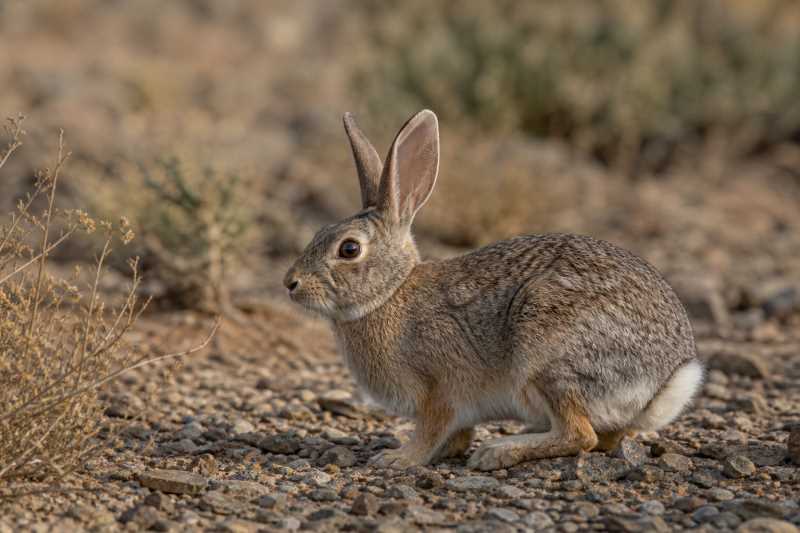
The Desert Cottontail is a medium-sized rabbit, with adults typically weighing between 1.5 to 2.6 pounds (0.7 to 1.2 kilograms). The species is easily recognizable by its distinctive large ears, which are well-adapted for dissipating heat in the harsh desert climate. The fur of the Desert Cottontail is generally grayish-brown on the back, with a lighter, almost white underbelly. This coloration provides effective camouflage against the sandy and rocky terrain of its habitat.
The most notable feature of the Desert Cottontail is its tail, which is fluffy and white, resembling a cotton ball—hence the name "cottontail." This tail is often visible when the rabbit is in motion and serves as a distraction to predators, allowing the rabbit to escape while the predator is momentarily confused.
Range and Habitat
The Desert Cottontail is primarily found in the southwestern United States and parts of Mexico. Its range extends from eastern Montana, south through the Great Plains, and west to California, reaching as far south as central Mexico. This species is highly adaptable and can thrive in various environments, including deserts, grasslands, and scrublands.
In desert habitats, the Desert Cottontail is commonly found in areas with low vegetation, such as shrubs and grasses, which provide both food and cover from predators. They are also known to inhabit agricultural areas and suburban neighborhoods, where they can find ample food sources and protection.
Behavior and Diet
Desert Cottontails are crepuscular, meaning they are most active during the early morning and late afternoon. This behavior helps them avoid the extreme temperatures of midday and reduces their exposure to predators. They are solitary animals, except during the breeding season, which occurs throughout the year in warmer climates.
The diet of the Desert Cottontail consists mainly of grasses, leaves, and stems. In desert environments, they have adapted to consume a variety of plant species, including cacti and other succulents, which provide both nutrition and moisture. This ability to derive water from their food is crucial for survival in their arid habitats.
Identification Tips (Field Recognition Cues)
When attempting to identify the Desert Cottontail in the field, consider the following cues:
- Ears: Large and prominent, the ears are a key feature that helps with heat dissipation.
- Tail: Look for the distinctive white "cotton" tail, especially when the rabbit is moving.
- Coloration: Note the grayish-brown fur with a lighter underbelly, which aids in camouflage.
- Behavior: Observe the rabbit’s activity during dawn or dusk, typical of crepuscular animals.
Conservation Status (with Threats and Protections)
The Desert Cottontail is currently classified as a species of "Least Concern" by the International Union for Conservation of Nature (IUCN). This status reflects its wide distribution and stable population numbers. However, like many species, the Desert Cottontail faces threats from habitat loss due to urban development and agriculture.
Predation by natural predators such as coyotes, hawks, and owls is a constant threat, but these predators play a vital role in maintaining the balance of the ecosystem. Conservation efforts focus on preserving natural habitats and mitigating the impacts of urbanization.
Frequently Asked Questions
1. How can I differentiate a Desert Cottontail from other rabbit species?
The Desert Cottontail can be identified by its large ears, distinctive white "cotton" tail, and its grayish-brown coloration. Observing its behavior during dawn and dusk can also aid identification.
2. What do Desert Cottontails eat in the wild?
Desert Cottontails primarily consume grasses, leaves, and stems. They have adapted to eating cacti and other succulents in desert environments, deriving necessary moisture from these plants.
3. Are Desert Cottontails endangered?
No, Desert Cottontails are not endangered. They are classified as a species of "Least Concern" due to their wide distribution and stable populations.
4. Where can I find Desert Cottontails in the US?
Desert Cottontails are found in the southwestern United States, including states like Arizona, New Mexico, and parts of California and Texas.
5. Do Desert Cottontails live in groups?
Generally, Desert Cottontails are solitary animals, except during the breeding season when they may be seen in pairs.
Related posts