Introduction
Froggatt’s Dunnart, scientifically known as Sminthopsis froggatti, is a small marsupial belonging to the family Dasyuridae. This intriguing mammal is part of the diverse group of dunnarts, known for their nocturnal and insectivorous habits. Native to Australia, Froggatt’s Dunnart has piqued the interest of researchers and conservationists due to its unique adaptations and habitat preferences. This article delves into various aspects of this species, including its physical characteristics, behavior, habitat range, and conservation status.
Physical Description
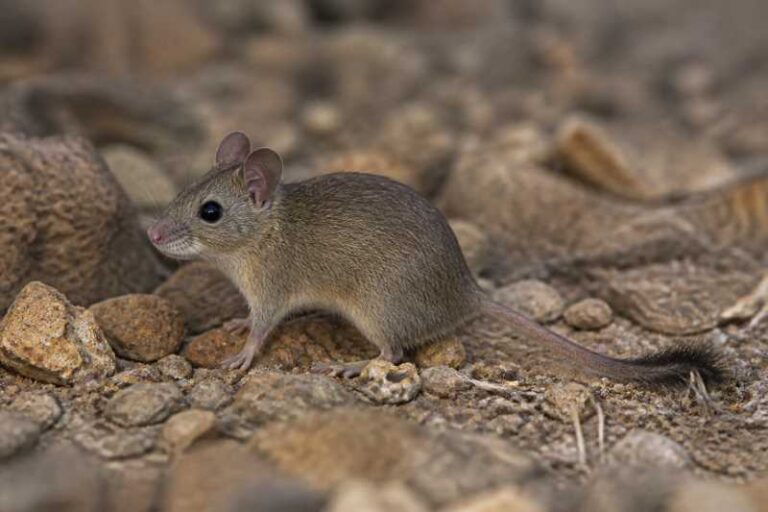
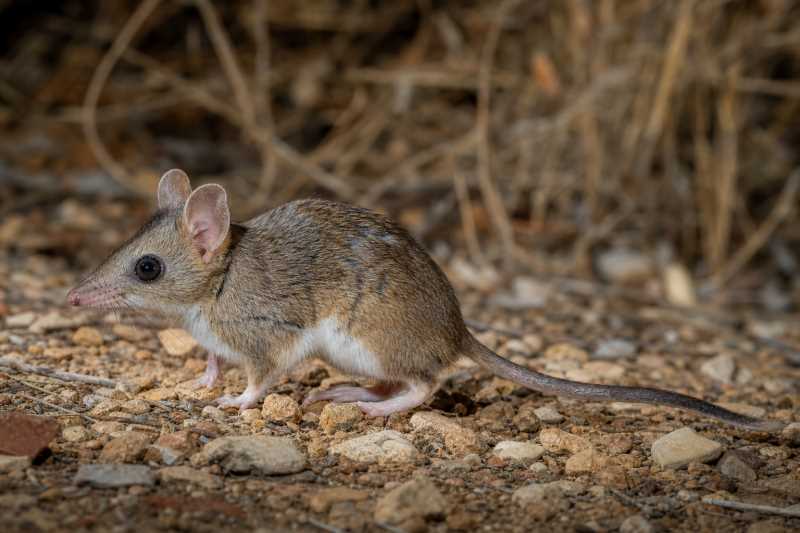
Froggatt’s Dunnart is a diminutive marsupial, typically measuring between 70 to 90 millimeters in body length, with a tail that adds an additional 70 to 100 millimeters. Weighing in at approximately 15 to 25 grams, it is a lightweight contender in the animal kingdom.
The fur of Froggatt’s Dunnart is a distinctive grey-brown on the dorsal side, providing effective camouflage against the arid and semi-arid landscapes of its habitat. Its ventral side is lighter, often a creamy white. The tail of the dunnart is thin and tapering, often used for balance and signaling.
One of the most notable features of Froggatt’s Dunnart is its long, pointed snout, which is instrumental in foraging for insects. The large, dark eyes of the dunnart are adapted for its nocturnal lifestyle, providing enhanced vision in low-light conditions. The ears are proportionately large, aiding in detecting predators and prey alike.
Range and Habitat
Froggatt’s Dunnart is endemic to Australia, with its range primarily spanning the Northern Territory and parts of Western Australia. It favors arid and semi-arid environments, typically inhabiting grasslands, open woodlands, and areas with sparse vegetation.
The species is often associated with spinifex grasslands, which offer protection from predators and a rich supply of insects. These grasslands, characterized by their hardy, spiky vegetation, create a complex ecosystem where Froggatt’s Dunnart thrives. Seasonal changes in these regions influence the availability of food resources, prompting the dunnarts to adapt their foraging strategies accordingly.
Behavior and Diet
As nocturnal creatures, Froggatt’s Dunnarts are primarily active during the night, when they embark on foraging expeditions. Their diet consists predominantly of insects and small invertebrates, such as beetles, ants, and spiders. They exhibit opportunistic feeding behavior, taking advantage of seasonal and environmental variations in prey availability.
Froggatt’s Dunnart is solitary and territorial, with individuals marking their home range using scent glands. These marsupials communicate with each other through vocalizations and scent marking. Breeding typically occurs in the spring, with females giving birth to litters of up to ten young. The young remain in the mother’s pouch for several weeks before transitioning to an external nest.
Identification Tips (Field Recognition Cues)
Identifying Froggatt’s Dunnart in the wild can be challenging due to its resemblance to other dunnart species. However, there are several key features to look for:
- Size and Shape: Note the small size and slender, elongated body.
- Fur Coloration: Look for the grey-brown dorsal fur and lighter ventral fur.
- Tail Characteristics: Observe the length and tapering nature of the tail.
- Snout and Ears: The long snout and large ears are distinctive.
Field researchers often rely on these cues, along with geographic location, to accurately identify Froggatt’s Dunnart.
Conservation Status (With Threats and Protections)
Froggatt’s Dunnart is currently classified as "Least Concern" by the International Union for Conservation of Nature (IUCN). However, like many species, it faces several threats that could impact its populations in the future.
Threats:
- Habitat Destruction: Land clearing for agriculture and mining operations poses a significant threat to their habitat.
- Invasive Species: Predation by introduced species such as feral cats and foxes.
- Climate Change: Altered weather patterns and increased frequency of fires can disrupt their habitat and food sources.
Protections:
- Protected Areas: Several national parks and conservation reserves provide a safe haven for this species.
- Research and Monitoring: Ongoing studies help to monitor population trends and inform conservation strategies.
Efforts to protect and preserve Froggatt’s Dunnart are crucial to maintaining the ecological balance in their native habitats.
Frequently Asked Questions
Why is this species unique?
Froggatt’s Dunnart is unique due to its specialized adaptations to arid environments and its solitary, nocturnal habits. Its ability to thrive in harsh conditions and its distinctive foraging behavior make it a fascinating subject for study.
What adaptations help Froggatt’s Dunnart survive?
Its nocturnal lifestyle, keen sense of smell and hearing, and ability to go without water for extended periods are key adaptations that help Froggatt’s Dunnart survive in its arid habitat. These adaptations allow it to efficiently locate prey and avoid predators.
How does climate change affect Froggatt’s Dunnart?
Climate change can alter the availability of food resources and increase the frequency of natural disasters like wildfires, which can destroy habitat and reduce food availability, posing significant threats to Froggatt’s Dunnart populations.
What conservation efforts are in place for this species?
Conservation efforts include habitat protection through national parks and reserves, as well as research programs aimed at understanding population dynamics and threats. These efforts help to mitigate the impact of human activities and environmental changes on Froggatt’s Dunnart.
How can I help in the conservation of Froggatt’s Dunnart?
Supporting conservation organizations, promoting awareness about the species, and advocating for the protection of their natural habitats are ways individuals can contribute to the conservation of Froggatt’s Dunnart.
Related posts