Introduction
Chiew Kwee’s Horseshoe Bat, known scientifically as Rhinolophus chiewkweeae, is a fascinating and elusive species within the Rhinolophidae family. This species is part of the diverse Rhinolophus genus, commonly referred to as horseshoe bats due to the distinctive, horseshoe-shaped structure on their noses. This feature plays a crucial role in echolocation, a key aspect of their survival. This bat species is a recent addition to the scientific community, having been described relatively recently. Understanding their physical characteristics, habitat preferences, behavior, and the threats they face is essential for ensuring their conservation.
Physical Description
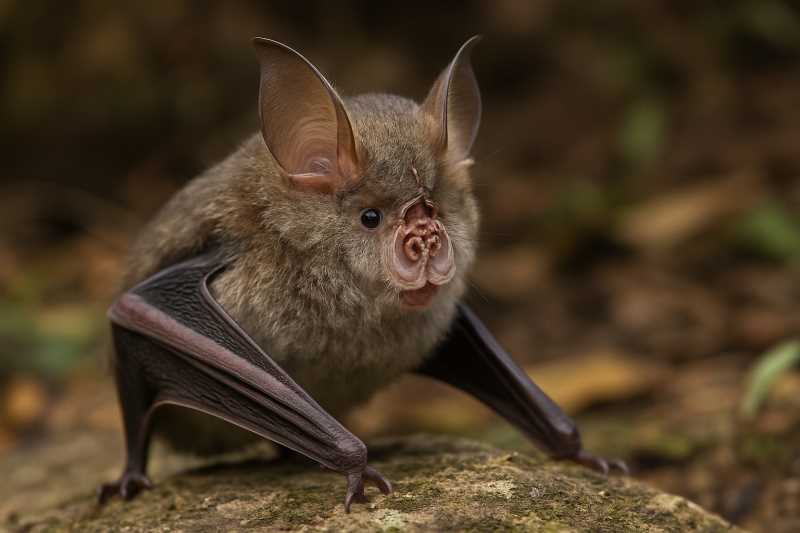
Chiew Kwee’s Horseshoe Bat is a small to medium-sized bat species, characterized by its unique noseleaf structure that aids in echolocation. The noseleaf, shaped like a horseshoe, is central to its identity and is a defining characteristic of the Rhinolophus genus. The bat’s fur is generally a mottled grayish-brown, providing excellent camouflage against the rocks and tree barks of its natural habitat.
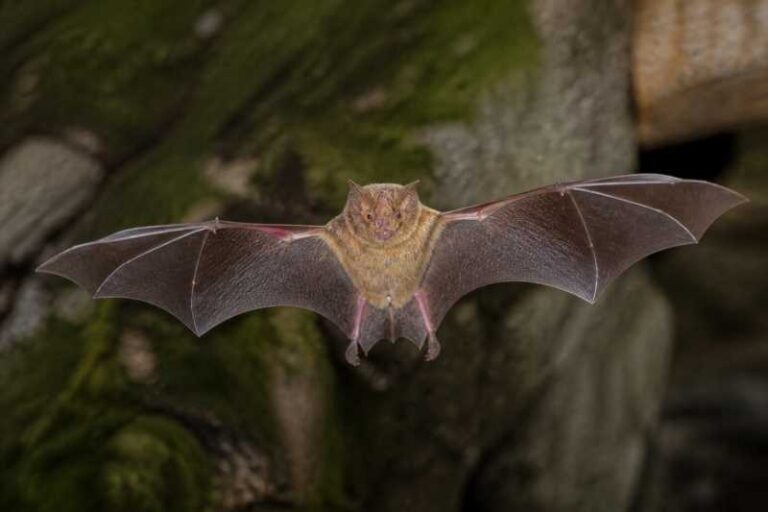
The wings of Rhinolophus chiewkweeae are adapted for agile flight, allowing it to maneuver through dense vegetation with ease. The wingspan typically ranges between 30 to 35 centimeters, while the body length is approximately 5 to 7 centimeters. Another notable feature is its relatively large ears, which enhance its ability to detect prey using echolocation.
Range and Habitat
Chiew Kwee’s Horseshoe Bat is primarily found in Southeast Asia, with confirmed sightings in parts of Malaysia and Indonesia. These bats prefer tropical and subtropical forests, often roosting in limestone caves, abandoned mines, and sometimes in dense foliage. The availability of suitable roosting sites and abundant insect prey are critical factors determining their distribution.
The bat’s habitat selection is closely tied to its need for specific roosting conditions and foraging grounds. They are often found in areas with high humidity and stable temperatures, which are conducive to their echolocation-based hunting strategies.
Behavior and Diet
Chiew Kwee’s Horseshoe Bat is primarily nocturnal, spending the daylight hours roosting in sheltered locations. At night, they emerge to forage, using their sophisticated echolocation abilities to detect and capture insects mid-flight. Their diet consists mainly of moths, beetles, and other small flying insects.
These bats are social creatures, often roosting in colonies that can range from a few individuals to several dozen. Social interactions within these colonies are essential for mating and maintaining the group structure. During the mating season, which typically coincides with the warmer months, males engage in elaborate vocal displays to attract females.
Identification Tips
Field recognition of Chiew Kwee’s Horseshoe Bat involves several key features:
- Noseleaf Structure: The distinctive horseshoe-shaped noseleaf is a primary identifier.
- Size and Coloration: Look for a small to medium size bat with mottled grayish-brown fur.
- Ears: Large, pointed ears that aid in echolocation.
- Flight Pattern: Agile and erratic flight, often close to vegetation.
Spotting these bats in their natural habitat requires patience and keen observation skills, as they are elusive and primarily active at night.
Conservation Status
The conservation status of Rhinolophus chiewkweeae is currently listed as Data Deficient by the International Union for Conservation of Nature (IUCN). This classification highlights the need for further research to understand the species’ population dynamics, threats, and conservation needs.
Threats to Chiew Kwee’s Horseshoe Bat include habitat loss due to deforestation, mining activities that destroy roosting sites, and disturbances from human activities. These threats are compounded by the bat’s reliance on specific habitats, making them vulnerable to environmental changes.
Conservation efforts are focused on habitat protection and restoration, as well as public education to reduce human disturbances in critical areas. Protected areas and wildlife reserves play a crucial role in preserving the natural habitats of these bats.
Frequently Asked Questions
1. What is the primary diet of Chiew Kwee’s Horseshoe Bat? Chiew Kwee’s Horseshoe Bat primarily feeds on insects, including moths and beetles. They use echolocation to locate and capture their prey during nocturnal foraging.
2. Where can Chiew Kwee’s Horseshoe Bat be found? This species is native to Southeast Asia, with confirmed populations in Malaysia and Indonesia. They inhabit tropical and subtropical forests, often roosting in caves and dense foliage.
3. How does Chiew Kwee’s Horseshoe Bat use echolocation? Echolocation in Chiew Kwee’s Horseshoe Bat is facilitated by its distinctive noseleaf, which emits ultrasonic calls. These calls bounce off objects and return as echoes, allowing the bat to navigate and hunt in complete darkness.
4. What are the main threats to Chiew Kwee’s Horseshoe Bat? The primary threats include habitat loss due to deforestation and mining, as well as human disturbances. Conservation efforts focus on habitat protection and reducing human impact.
5. Why is Chiew Kwee’s Horseshoe Bat classified as Data Deficient? The classification as Data Deficient indicates a lack of comprehensive data on the species’ population size, range, and ecological needs, underscoring the need for further research and monitoring.
Related posts