Introduction
The Papuan Giant Mastiff Bat, scientifically known as Otomops papuensis, is a remarkable species that has captured the interest of mammalogists and bat enthusiasts alike. As its name suggests, this bat is native to Papua New Guinea, although it is also found in other regions. Its impressive size and unique biological characteristics make it a subject of continuous study in the field of chiropterology.
Understanding the Papuan Giant Mastiff Bat is crucial, not only for conservation efforts but also for comprehending the ecological roles bats play in their environments. This article delves into various aspects of the species, providing insights into its physical description, habitat, behaviors, conservation status, and more.
Physical Description
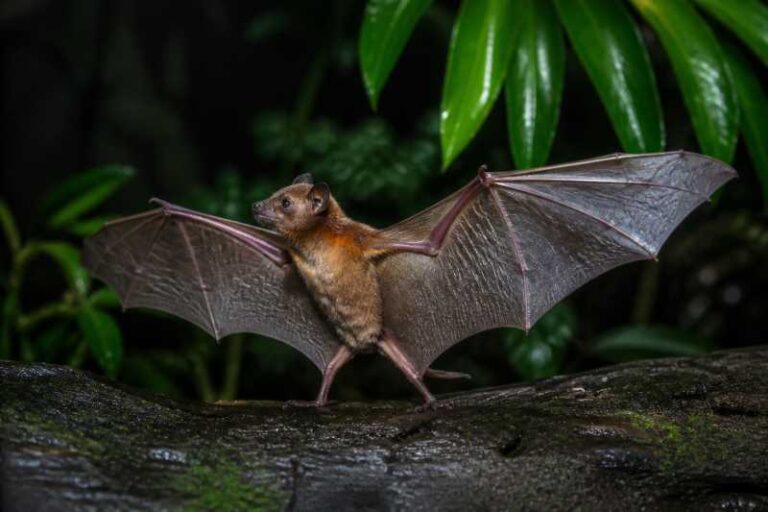
The Papuan Giant Mastiff Bat is noted for its substantial size compared to other bat species. Typically, its body length ranges from 10 to 14 centimeters, and it boasts a wingspan of approximately 60 centimeters, making it one of the larger bats in the region. The bat’s weight can vary but usually falls between 40 to 70 grams.
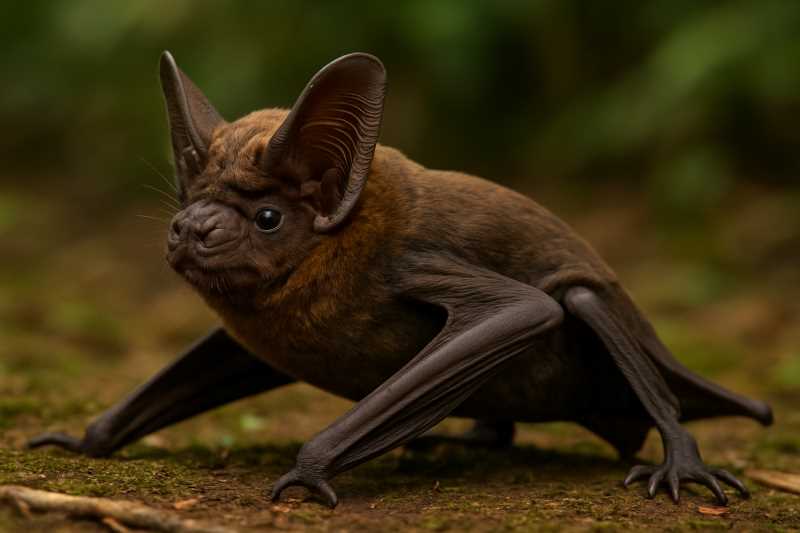
Its fur is generally dark brown or black, providing excellent camouflage in its nocturnal environment. The ears are large and rounded, a distinctive feature that aids in its echolocation abilities, while the bat’s muzzle is broad, resembling that of a mastiff dog, which contributes to its common name.
Range and Habitat
The Papuan Giant Mastiff Bat is primarily found in the tropical and subtropical regions of Papua New Guinea. Its range extends to various islands within the region, showcasing its adaptability to different environments. While the species has also been reported in parts of Indonesia, its presence there is less documented.
This bat prefers habitats that provide ample roosting opportunities, such as caves, old-growth forests, and sometimes abandoned human structures. Its habitat selection is largely influenced by the availability of food sources and suitable roosting sites.
Behavior and Diet
The behavior of the Papuan Giant Mastiff Bat is largely nocturnal. It emerges at dusk to forage for food, utilizing its keen senses and echolocation to navigate and hunt. Its diet primarily consists of insects, which it captures mid-flight using its agile flying abilities.
Socially, the Papuan Giant Mastiff Bat is known for forming small colonies, although some individuals may prefer solitary roosting. Communication within these groups is facilitated through a series of high-pitched calls, which also play a role in their echolocation.
Identification Tips (Field Recognition Cues)
Identifying the Papuan Giant Mastiff Bat in the field can be challenging yet rewarding. Here are some key recognition cues:
- Size and Wingspan: Look for a large bat with a wingspan up to 60 centimeters.
- Ear Shape: Note the large, rounded ears which are prominent features.
- Fur Color: Dark brown to black fur can help distinguish it from other species.
- Flight Pattern: Observe their strong, deliberate flight patterns during twilight hours.
Conservation Status (With Threats and Protections)
The conservation status of the Papuan Giant Mastiff Bat is currently listed as Least Concern by the International Union for Conservation of Nature (IUCN). However, like many bat species, it faces various threats that could impact its populations in the future.
Habitat loss due to deforestation and human encroachment poses significant risks. Additionally, disturbances in roosting sites can affect their population dynamics. Conservation efforts are focusing on habitat preservation and minimizing human interference.
Frequently Asked Questions
Why is this species unique?
The Papuan Giant Mastiff Bat is unique due to its large size and distinctive physical features, such as its broad muzzle and large ears. Its ecological role as an insect predator also underscores its importance in maintaining the balance of its natural habitat.
How does the Papuan Giant Mastiff Bat navigate?
This species relies heavily on echolocation, utilizing ultrasonic calls to navigate and hunt in the dark. Its large ears are finely tuned to detect the echoes of these calls, allowing it to pinpoint the location of prey and navigate complex environments.
What are the main threats to the Papuan Giant Mastiff Bat?
The primary threats include habitat destruction from logging and agricultural expansion, as well as disturbances in roosting areas. Conservation efforts are crucial to mitigate these impacts and ensure the species’ survival.
How can we help conserve the Papuan Giant Mastiff Bat?
Supporting conservation initiatives that focus on habitat protection and restoration is key. Educating local communities about the ecological importance of bats can also foster coexistence and reduce human-wildlife conflicts.
What is the role of the Papuan Giant Mastiff Bat in its ecosystem?
As a predator of insects, the Papuan Giant Mastiff Bat plays a crucial role in controlling insect populations, which helps in maintaining the ecological balance. This role is vital in agricultural regions where pest control is necessary.
Related posts