Introduction
The Cucurucho Broad-clawed Shrew, scientifically known as Cryptotis eckerlini, is a fascinating yet lesser-known mammal species belonging to the family Soricidae. This small insectivorous mammal is endemic to certain regions of Central America and is known for its unique adaptations and ecological significance. Shrews, in general, play a crucial role in controlling insect populations, and the Cucurucho Broad-clawed Shrew is no exception. In this comprehensive article, we will delve into the various aspects of this intriguing species, including its physical description, range and habitat, behavior and diet, and much more.
Physical Description
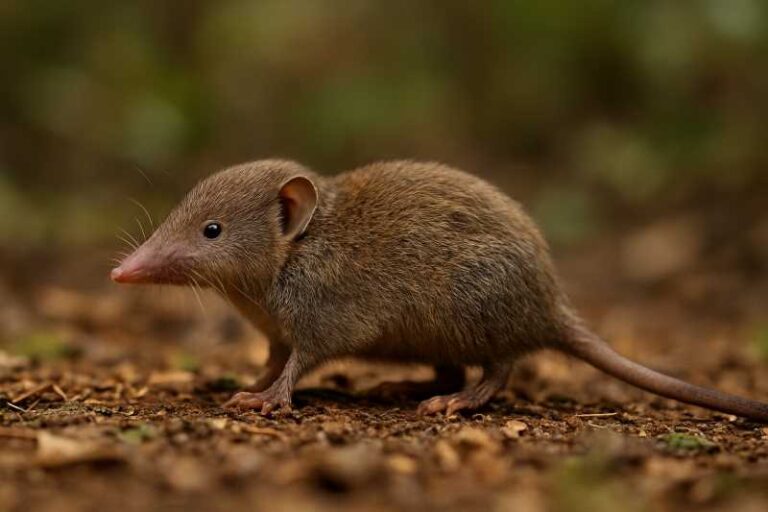
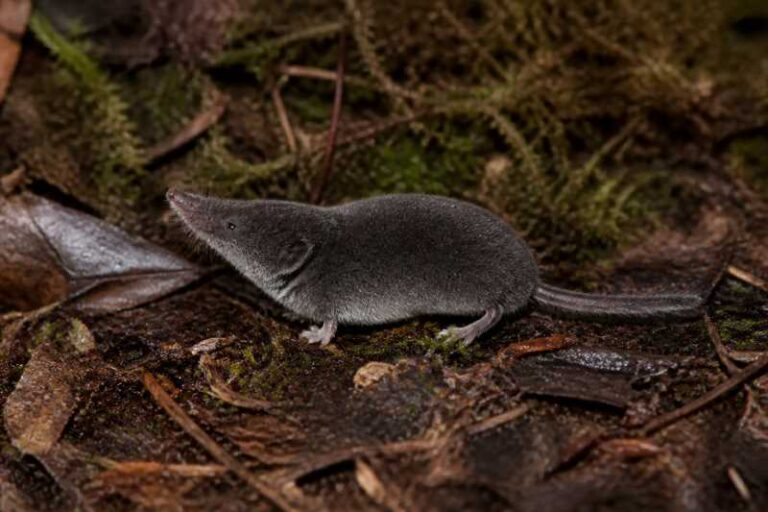
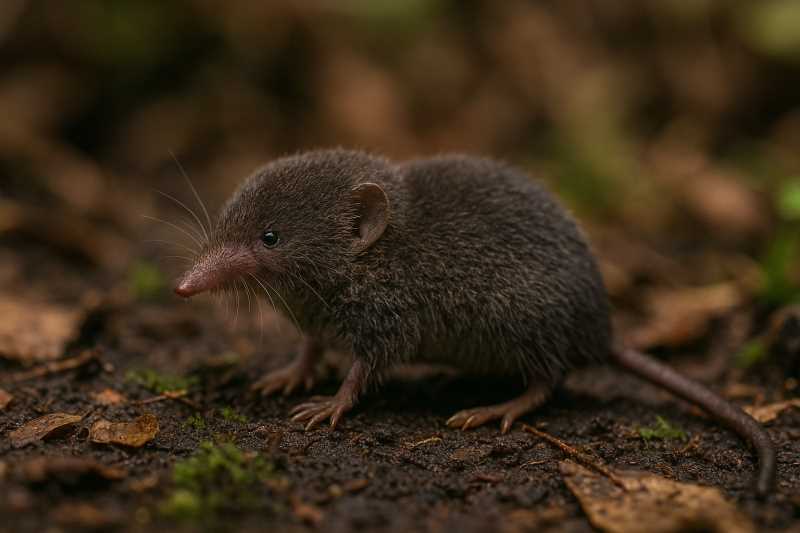
The Cucurucho Broad-clawed Shrew is characterized by its small size and distinct physical features that differentiate it from other shrew species. Typically, this shrew measures about 7 to 10 centimeters in length, including its short tail. Its weight can range from 5 to 15 grams, making it a lightweight yet agile creature.
One of the most striking features of the Cucurucho Broad-clawed Shrew is its broad, powerful claws, which are highly adapted for digging and foraging in the soil. Its fur is typically dark gray to brown, providing excellent camouflage in its natural habitat. The shrew’s pointed snout and sharp, tiny teeth are well-suited for its insectivorous diet.
The eyes of the Cucurucho Broad-clawed Shrew are relatively small, reflective of its nocturnal lifestyle where sight is less crucial than other senses. Instead, this shrew relies heavily on its acute sense of smell and hearing to navigate its environment and hunt prey.
Range and Habitat
The Cucurucho Broad-clawed Shrew is primarily found in the montane regions of Central America, with its range extending through parts of countries such as Honduras and Nicaragua. It thrives in cloud forests and high-altitude environments, where it can find ample cover and food resources.
This shrew is particularly adapted to life in moist, dense undergrowth, often inhabiting areas with rich leaf litter and plenty of soil to burrow into. It is commonly found at elevations ranging from 1,500 to 3,000 meters, where the cool, humid climate supports a diverse array of invertebrates that form its diet.
Behavior and Diet
As a nocturnal and solitary creature, the Cucurucho Broad-clawed Shrew is primarily active during the night. It spends a significant portion of its time foraging for food, using its keen sense of smell to detect prey. Its diet mainly consists of insects, earthworms, and other small invertebrates. Occasionally, it may also consume small vertebrates or plant matter if the opportunity arises.
The shrew’s broad claws are not only used for digging but also for handling and manipulating its prey. This adaptation allows it to efficiently capture and consume a wide variety of small organisms. Despite its small size, the Cucurucho Broad-clawed Shrew has a high metabolism and requires a constant intake of food to sustain its energy levels.
Identification Tips (Field Recognition Cues)
Identifying the Cucurucho Broad-clawed Shrew in the wild can be challenging due to its elusive nature and nocturnal habits. However, there are several field recognition cues that can aid in its identification:
- Size and Body Shape: Look for a small mammal with a body length of 7 to 10 centimeters and a compact, robust form.
- Fur Color: Notice the dark gray to brown fur, which provides effective camouflage in forested environments.
- Claws: Pay attention to the broad, strong claws that are adapted for digging and foraging.
- Behavior: Observe any nocturnal activity and listen for rustling sounds in leaf litter, which may indicate the presence of this shrew.
- Habitat: Focus on searching in high-altitude cloud forests and areas with dense undergrowth.
Conservation Status (with Threats and Protections)
The Cucurucho Broad-clawed Shrew is currently classified as a species of Least Concern on the IUCN Red List, indicating that it does not face any immediate threats of extinction. However, it is important to recognize that this status does not imply that the species is free from all threats.
Threats
The primary threats to the Cucurucho Broad-clawed Shrew include habitat loss and degradation due to agricultural expansion and deforestation. The conversion of cloud forests into farmland reduces the available habitat for this species and can lead to population declines.
Protections
Conservation efforts aimed at preserving cloud forests and maintaining biodiversity hotspots are crucial for the protection of the Cucurucho Broad-clawed Shrew. National parks and protected areas within its range offer some degree of habitat protection. Continued research and monitoring are essential to ensure the long-term survival of this species.
Frequently Asked Questions
1. What do Cucurucho Broad-clawed Shrews eat?
Cucurucho Broad-clawed Shrews primarily feed on insects, earthworms, and other small invertebrates. They may also consume small vertebrates or plant matter occasionally.
2. Where can I find Cucurucho Broad-clawed Shrews?
These shrews are typically found in the montane cloud forests of Central America, particularly in Honduras and Nicaragua at elevations between 1,500 and 3,000 meters.
3. How can I identify a Cucurucho Broad-clawed Shrew?
Look for a small mammal with dark gray to brown fur, broad claws, and a body length of 7 to 10 centimeters. It is often found in dense undergrowth and is nocturnal.
4. Are Cucurucho Broad-clawed Shrews endangered?
Currently, the Cucurucho Broad-clawed Shrew is listed as Least Concern by the IUCN, but habitat loss remains a significant threat to its populations.
5. What role do Cucurucho Broad-clawed Shrews play in the ecosystem?
These shrews are important for controlling insect populations and contribute to the ecological balance of their forested habitats.
Related posts