The Enigmatic Yellow-collared Chlorophonia: A Jewel of the Cloud Forest
In the lush, verdant expanses of the Neotropical cloud forests, a small yet vibrant bird flutters through the canopy, capturing the eye of birdwatchers and researchers alike. This is the Yellow-collared Chlorophonia (Chlorophonia flavirostris), an avian marvel renowned for its striking coloration and elusive nature. This article delves into the intriguing aspects of this species, exploring its habitat, behavior, conservation status, and the challenges it faces in a rapidly changing world.
Habitat and Distribution
The Yellow-collared Chlorophonia is predominantly found in the montane forests of South America, with its range extending across Colombia, Ecuador, and Peru. These birds thrive in the cloud forests, which are characterized by high humidity and persistent cloud cover, nestled at altitudes ranging from 1,200 to 2,400 meters above sea level. These regions provide an ideal environment replete with fruiting trees and dense foliage, essential for their sustenance and shelter.
The cloud forests, with their rich biodiversity, offer a sanctuary for the Yellow-collared Chlorophonia. However, they are also one of the most threatened ecosystems due to deforestation, agricultural expansion, and climate change. The loss of habitat poses a significant threat to the survival of this species, making conservation efforts crucial.
Physical Characteristics
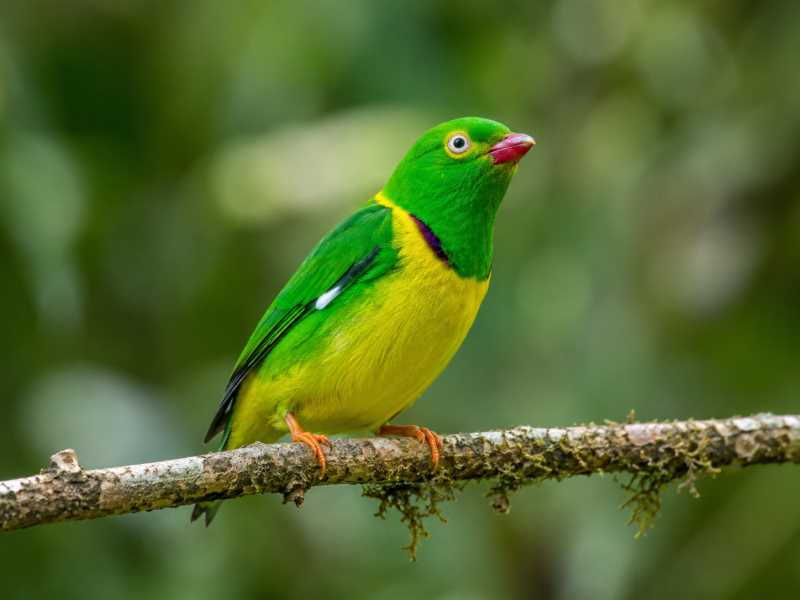
The Yellow-collared Chlorophonia is a small bird, measuring approximately 13 centimeters in length. Its most striking feature is its bright plumage: a brilliant emerald green covers its upperparts, contrasting sharply with a vibrant yellow collar that extends around its nape and throat. The underparts are a bright yellow, making it easily recognizable against the lush green backdrop of the forest.
This species exhibits sexual dimorphism, with males showcasing brighter plumage compared to females. The vivid coloration serves not only as a visual delight for observers but also plays a crucial role in mating displays and territorial defense.
Behavior and Diet
Yellow-collared Chlorophonias are primarily frugivorous, feasting on a diverse array of fruits and berries found in their forest habitat. They play a vital role in the ecosystem as seed dispersers, contributing to the regeneration of the forest flora. Occasionally, they may also consume small insects and spiders, supplementing their primarily fruit-based diet.
These birds are known for their active and social behavior. They are often observed in small flocks, flitting energetically through the canopy in search of food. Their calls, a series of high-pitched whistles, can often be heard echoing through the forest, signaling their presence long before they are seen.
Breeding and Reproduction
The breeding season for the Yellow-collared Chlorophonia generally coincides with the wet season, when food resources are abundant. During this period, males engage in elaborate courtship displays, showcasing their vibrant plumage and vocal prowess to attract mates.
Nesting is typically done in natural cavities or abandoned nests of other bird species. The female lays a clutch of two to three eggs, incubating them for approximately two weeks. Both parents are involved in feeding and raising the chicks, ensuring their survival in the early, vulnerable stages of life.
Conservation Status and Challenges
The Yellow-collared Chlorophonia is currently listed as Least Concern by the International Union for Conservation of Nature (IUCN). However, this status belies the underlying threats that loom over its habitat. Deforestation for agriculture and logging, coupled with the effects of climate change, are leading to the fragmentation and degradation of cloud forests, posing a significant risk to the species’ long-term survival.
Conservation efforts are vital to safeguard the future of the Yellow-collared Chlorophonia. Protecting and restoring its natural habitat, enforcing stricter regulations on deforestation, and promoting sustainable agricultural practices are crucial steps in ensuring the preservation of this species. Additionally, raising awareness about the ecological importance of cloud forests can garner support for conservation initiatives.
Conclusion
The Yellow-collared Chlorophonia, with its dazzling plumage and vital ecological role, is a testament to the rich biodiversity of the Neotropical cloud forests. Protecting this avian gem requires concerted efforts from conservationists, local communities, and governments alike. By ensuring the survival of such species, we not only preserve the natural beauty of our planet but also maintain the intricate balance of its ecosystems.
As we continue to explore and understand the complex dynamics of cloud forest habitats, the Yellow-collared Chlorophonia stands as both a symbol of nature’s splendor and a reminder of the urgent need for conservation action.
Related posts