Introduction
The Narrow-nosed Harvest Mouse, scientifically known as Reithrodontomys tenuirostris, is a fascinating species belonging to the family Cricetidae. This small rodent is a part of the diverse group of harvest mice found primarily in the Americas. Despite being relatively less known compared to other mammal species, the Narrow-nosed Harvest Mouse plays a crucial role in its ecosystem, contributing to the balance of the food web. Understanding its biology, habitat, and conservation status is essential for appreciating the ecological significance of this species and ensuring its ongoing survival in the wild.
Physical Description
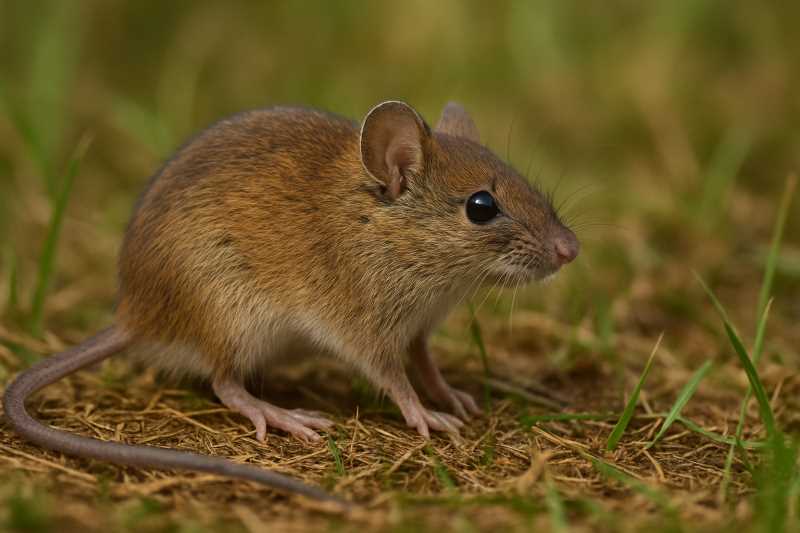
The Narrow-nosed Harvest Mouse is named for its distinctively narrow snout, which sets it apart from other harvest mouse species. It is a small rodent, typically measuring between 10 to 14 centimeters in total length, including its tail, which accounts for nearly half of its size. Its weight ranges from 7 to 15 grams, making it a petite and agile creature.
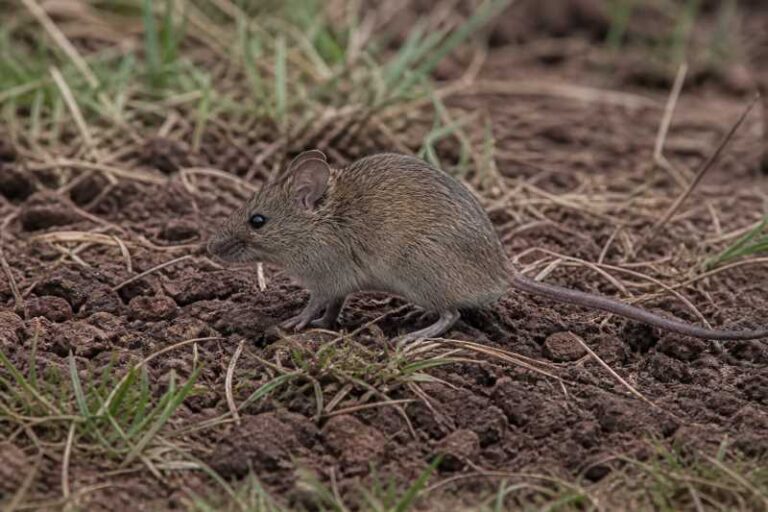
This species exhibits a coat of soft fur, predominantly grayish-brown on the dorsal side and lighter, almost white on the ventral side. The fur provides excellent camouflage against predators in its natural habitat. The Narrow-nosed Harvest Mouse possesses large, round ears and beady eyes, which contribute to its heightened senses of hearing and sight—crucial adaptations for nocturnal life.
Range and Habitat
The Narrow-nosed Harvest Mouse is predominantly found in Central America, with its range extending through parts of southern Mexico. This species prefers subtropical or tropical moist lowland forests, grasslands, and areas with dense vegetation, which offer ample cover and food sources. The presence of tall grasses and shrubs is particularly important for its nesting and foraging activities.
Adapted to a life both on the ground and in vegetation, the Narrow-nosed Harvest Mouse is known for its climbing abilities. It uses its long tail for balance as it navigates through its arboreal habitat. The availability of suitable habitats is crucial for the survival of this species, as it relies on the intricate balance of these ecosystems for food, shelter, and breeding sites.
Behavior and Diet
Primarily nocturnal, the Narrow-nosed Harvest Mouse is most active during the night. This behavior helps it avoid diurnal predators and take advantage of cooler temperatures. It is a solitary creature, except during the breeding season when males and females come together to mate.
The diet of the Narrow-nosed Harvest Mouse consists mainly of seeds, grains, and small insects. Its ability to consume a variety of foods allows it to adapt to different environmental conditions. The mouse’s feeding habits play an important role in seed dispersion, contributing to vegetation growth in its habitat.
Identification Tips (Field Recognition Cues)
Identifying the Narrow-nosed Harvest Mouse in the field requires attention to several key characteristics:
- Narrow Snout: As its name suggests, the species has a uniquely narrow snout compared to other harvest mice.
- Size and Weight: Look for a small rodent, measuring 10-14 cm with a weight of 7-15 grams.
- Fur Coloration: Observe the grayish-brown dorsal fur and lighter ventral side.
- Tail: Note the long, slender tail, which is often as long as the body, used for balance.
- Habitat: Check for the presence in subtropical or tropical moist environments, especially areas with dense vegetation.
Conservation Status (With Threats and Protections)
The conservation status of the Narrow-nosed Harvest Mouse is currently classified as "Least Concern" by the International Union for Conservation of Nature (IUCN). However, like many species, it faces threats from habitat destruction due to agriculture, urbanization, and deforestation. These activities reduce the availability of suitable habitats and resources necessary for its survival.
Efforts to protect the Narrow-nosed Harvest Mouse include habitat conservation and restoration initiatives. By preserving the natural environments where this species thrives, we can help maintain the ecological balance and ensure the long-term survival of the species. Environmental organizations and governmental agencies are working towards creating protected areas and raising awareness about the importance of biodiversity conservation.
Frequently Asked Questions
What does the Narrow-nosed Harvest Mouse eat?
The diet of the Narrow-nosed Harvest Mouse primarily consists of seeds, grains, and small insects. This varied diet allows the mouse to adapt to different environmental conditions and contributes to its role in seed dispersion within its ecosystem.
Where can I find the Narrow-nosed Harvest Mouse?
The Narrow-nosed Harvest Mouse is found in Central America, particularly in southern Mexico. It inhabits subtropical or tropical moist lowland forests and grasslands with abundant vegetation. Look for it in regions with tall grasses and shrubs, which provide the necessary cover and food sources.
How does the Narrow-nosed Harvest Mouse avoid predators?
This species uses its nocturnal lifestyle to avoid diurnal predators. Its fur provides excellent camouflage, and its agile climbing abilities allow it to escape quickly. The mouse’s keen senses of hearing and sight also help it detect potential threats.
What is the conservation status of the Narrow-nosed Harvest Mouse?
The Narrow-nosed Harvest Mouse is classified as "Least Concern" by the IUCN. Despite this, it faces threats from habitat destruction due to human activities. Conservation efforts focus on protecting and restoring its natural habitats to ensure its continued survival.
How can I help protect the Narrow-nosed Harvest Mouse?
Supporting habitat conservation initiatives and spreading awareness about the importance of biodiversity can help protect the Narrow-nosed Harvest Mouse. Engaging in community efforts to preserve natural areas and advocating for responsible environmental policies are crucial steps in ensuring the survival of this species.
Related posts