## The Paradise Shelduck: New Zealand’s Iconic Waterfowl
The Paradise Shelduck, known scientifically as Tadorna variegata, is a striking and unique species of waterfowl native to New Zealand. Known locally as ‘Pūtangitangi’ or simply ‘Paradise duck,’ this bird is a significant part of New Zealand’s avian biodiversity. With its distinctive appearance and intriguing behavior, the Paradise Shelduck is a subject of interest for ornithologists and bird enthusiasts alike.
Physical Characteristics
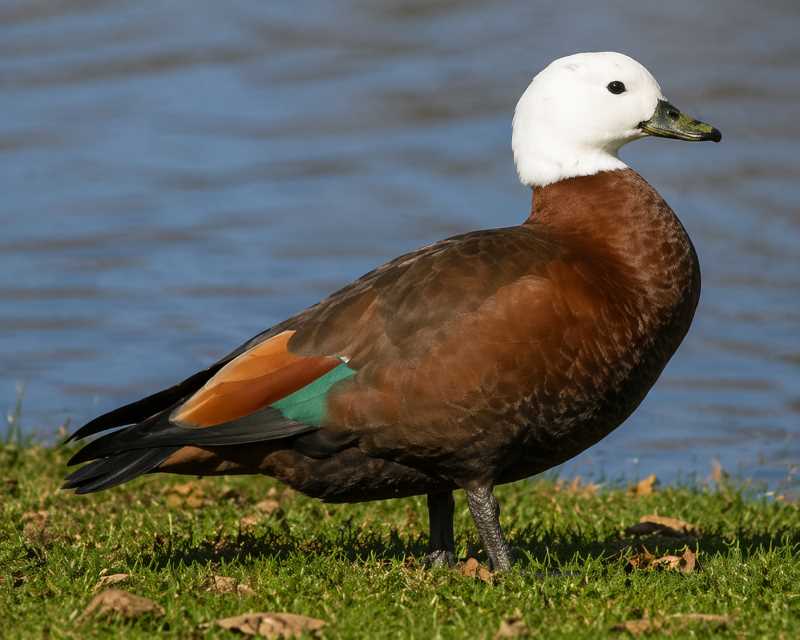
The Paradise Shelduck is easily identifiable by its striking sexual dimorphism, which is quite rare among waterfowl. The male shelduck boasts a sleek black head and neck, contrasted with a body of dark grey with a green sheen, making it stand out in its natural habitat. In contrast, the female is more vibrant, with a white head and a body clothed in rich chestnut plumage. This color distinction not only aids in identification but also adds to the bird’s allure. Both genders share a similar size, with an average weight of around 1.5 kilograms and a wingspan ranging from 90 to 100 centimeters.
Habitat and Distribution
Endemic to New Zealand, the Paradise Shelduck is found across both the North and South Islands. They prefer open habitats such as grasslands, farmlands, and wetlands. Their adaptability to various environments has allowed them to thrive, even in areas that have been modified by humans. While they are predominantly seen in lowland areas, these ducks are also known to inhabit alpine regions during certain times of the year.
Behavior and Ecology
One of the most captivating aspects of the Paradise Shelduck is its behavior. They are monogamous and are known to form long-term pair bonds. This aspect of their life cycle is crucial for their social structure and breeding success. Both males and females are involved in raising their young, which is vital for the high survival rate of their ducklings.
Paradise Shelducks are primarily grazers, feeding on a variety of grasses and clover. Their diet, however, is opportunistic, and they may also consume insects and small aquatic organisms. This varied diet allows them to adapt well to different environments, contributing to their widespread presence across New Zealand.
Breeding and Life Cycle
The breeding season for Paradise Shelducks typically begins in August and can extend through to December. Nesting usually occurs in secluded areas, often far from water bodies. These ducks are known to utilize old rabbit burrows, tree holes, or dense vegetation to create their nests. The female lays between 5 to 15 eggs, which she incubates for about 30 days, while the male stands guard.
Once hatched, the ducklings are led to water by both parents, where they learn to forage and develop survival skills. The involvement of both parents is crucial during this period, ensuring the ducklings have a higher chance of reaching maturity.
Conservation Status
The Paradise Shelduck is currently listed as a species of ‘Least Concern’ by the International Union for Conservation of Nature (IUCN). This status is largely due to their stable population numbers and adaptability to human-altered landscapes. Conservation efforts in New Zealand have ensured that their habitats are protected, allowing these birds to thrive.
Cultural Significance
In Maori culture, the Paradise Shelduck holds a special place. Known as ‘Pūtangitangi,’ these birds are often featured in Maori mythology and are considered a symbol of love and partnership due to their monogamous nature. They are also an important game bird in New Zealand, with a regulated hunting season that helps manage their population.
Conclusion
The Paradise Shelduck is a remarkable example of New Zealand’s unique wildlife. Its striking appearance, intriguing behaviors, and adaptability make it a fascinating subject for study. As a species that has successfully integrated into landscapes altered by human activity, the Paradise Shelduck not only represents the resilience of nature but also the importance of conservation and cultural appreciation.
Efforts to preserve their natural habitats and regulate hunting practices ensure that future generations will continue to enjoy the sight of these beautiful birds in the wild. The Paradise Shelduck is more than just a bird; it is a symbol of New Zealand’s rich natural heritage and cultural tapestry.
Related posts