Anhui Musk-deer (Moschus anhuiensis): A Detailed Overview
Introduction
The Anhui Musk-deer (Moschus anhuiensis) is a captivating and elusive species that belongs to the family Moschidae. Known for their musk glands, these deer have been an integral part of the ecosystem and human culture for centuries. Native to the Anhui province in China, these deer are cryptic creatures that have intrigued scientists and wildlife enthusiasts alike. This article delves into the various aspects of the Anhui Musk-deer, including its physical features, habitat, behavior, and conservation status, providing a comprehensive understanding of this remarkable species.
Physical Description
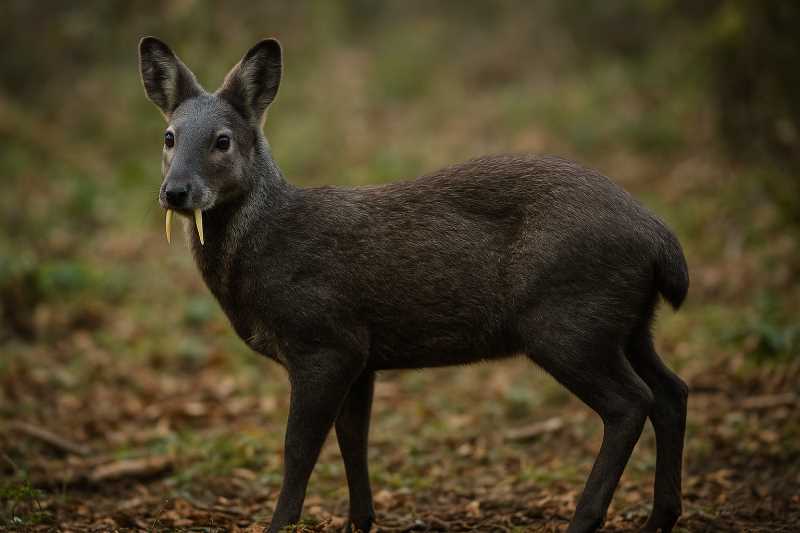
The Anhui Musk-deer is a small, primitive deer species characterized by its unique physical attributes. Adult individuals typically weigh between 7 to 17 kilograms and stand about 50 to 70 centimeters at the shoulder. Unlike most deer species, musk-deer lack antlers. Instead, males are distinguished by their long, protruding canine teeth, which can extend outwards from their mouths. These tusk-like teeth are used primarily in territorial battles and mating displays.
Their coat is dense and coarse, varying in color from grayish-brown to dark brown, with lighter underparts. The musk-deer’s body is compact, with slender legs adapted for agile movement through their rugged, mountainous habitat. Their large, rounded ears and relatively large eyes assist in detecting predators, while their short tail remains inconspicuous, blending seamlessly with their surroundings.
Range and Habitat
The Anhui Musk-deer is endemic to the mountainous regions of the Anhui province in eastern China. This species inhabits steep, forested slopes and rocky outcrops, preferring elevations ranging from 1,000 to 2,500 meters. The dense undergrowth and rugged terrain provide the necessary cover and protection from predators.
These deer favor temperate deciduous and mixed forests, where the climate is cool and the vegetation is lush. Seasonal changes in the environment significantly impact their distribution, as they may migrate to lower elevations during harsh winters in search of food and shelter.
Behavior and Diet
Primarily solitary and crepuscular, Anhui Musk-deer are most active during the early morning and late evening hours. Their elusive nature makes them difficult to observe in the wild, contributing to the limited understanding of their behavioral ecology.
The diet of the Anhui Musk-deer comprises a variety of plant materials, including leaves, twigs, flowers, and mosses. They are also known to feed on lichens and other available vegetation, adapting their diet according to the seasonal availability of resources. The ability to thrive on a high-fiber diet allows them to occupy ecological niches often inaccessible to other herbivores.
Identification Tips (Field Recognition Cues)
Recognizing an Anhui Musk-deer in the field requires keen observation. Here are some tips for identifying this elusive species:
- Size and Shape: Look for a small, compact deer with a hunched posture. The absence of antlers and the presence of elongated canine teeth in males are key identifiers.
- Coat Color: Note the grayish-brown to dark brown coat, which can appear lighter on the underparts.
- Behavior: Observe their solitary behavior, with individuals typically seen alone or occasionally in small groups.
- Habitat: Focus on mountainous, forested areas with dense undergrowth, particularly at elevations between 1,000 to 2,500 meters.
- Sounds: Listen for their vocalizations, which include soft whistles used for communication between individuals.
Conservation Status (With Threats and Protections)
The Anhui Musk-deer is currently listed as Endangered on the IUCN Red List. This species faces several significant threats that have contributed to its declining population.
Threats:
- Habitat Loss: Deforestation and land conversion for agriculture and infrastructure development have led to substantial habitat loss and fragmentation.
- Poaching: The musk gland of the male musk-deer is highly valued in traditional medicine and perfumery, making them prime targets for illegal hunting.
- Human Disturbance: Increasing human encroachment into their natural habitats has resulted in heightened stress and disturbance for these deer.
Protections:
Efforts to conserve the Anhui Musk-deer include:
- Protected Areas: Establishing and managing nature reserves and protected areas to conserve critical habitats.
- Anti-Poaching Measures: Implementing strict anti-poaching laws and increasing patrols to deter illegal hunting activities.
- Research and Monitoring: Conducting research to better understand their ecology and population dynamics, aiding in effective conservation strategies.
Despite these efforts, continued conservation actions and international cooperation are essential to ensure the survival of the Anhui Musk-deer.
Frequently Asked Questions
Q1: What is the primary diet of the Anhui Musk-deer?
A1: The Anhui Musk-deer primarily feeds on a variety of plant materials, including leaves, twigs, flowers, mosses, and lichens. Their diet adapts to seasonal availability, allowing them to survive in harsh mountainous environments.
Q2: Why are Anhui Musk-deer considered endangered?
A2: The Anhui Musk-deer is endangered due to habitat loss, poaching for their valuable musk glands, and human-induced disturbances. These factors have significantly reduced their population, necessitating urgent conservation efforts.
Q3: How can Anhui Musk-deer be identified in the wild?
A3: Anhui Musk-deer can be identified by their small size, lack of antlers, elongated canine teeth in males, and their preference for mountainous, forested habitats. They are solitary and crepuscular, often seen alone or in small groups.
Q4: What measures are being taken to protect the Anhui Musk-deer?
A4: Conservation measures include the establishment of protected areas, anti-poaching laws, and ongoing research to understand their ecology. Efforts focus on habitat preservation and reducing illegal hunting activities.
Q5: Where are Anhui Musk-deer found?
A5: Anhui Musk-deer are found in the mountainous regions of the Anhui province in eastern China. They inhabit temperate deciduous and mixed forests at elevations of 1,000 to 2,500 meters.
Related posts